
Key Points
-
The highest peak in Mongolia, Khuiten Peak, stands at an altitude of 4,374m and serves as the main peak of the Tavan Bogd mountain group.
-
Beginners can choose a route targeting Malchin Peak (4,050m), while advanced climbers can aim for Khuiten Peak.
-
Climbing Khuiten Peak takes approximately 7 to 10 days locally, and a border zone permit is mandatory.
-
The best season is from late July to mid-August, and applications are recommended to be made at least 30 days prior to departure.
The highest peak targeted on Mongolian mountaineering tours is Khuiten Peak, standing at an altitude of 4,374m. A major strength of this area is the ability to choose your difficulty level within the same mountain group: beginners can climb Malchin Peak (4,050m) without specialized gear, while advanced climbers can tackle Khuiten Peak, which involves crossing glaciers. This article outlines the appeal of Tavan Bogd in the Altai Mountains, routes and difficulty levels, required days and equipment, safety management for guided tours, and the process from application to departure. It is designed to help you concretely visualize a journey that combines the glaciers and Kazakh nomadic culture of Western Mongolia right from the planning stage.
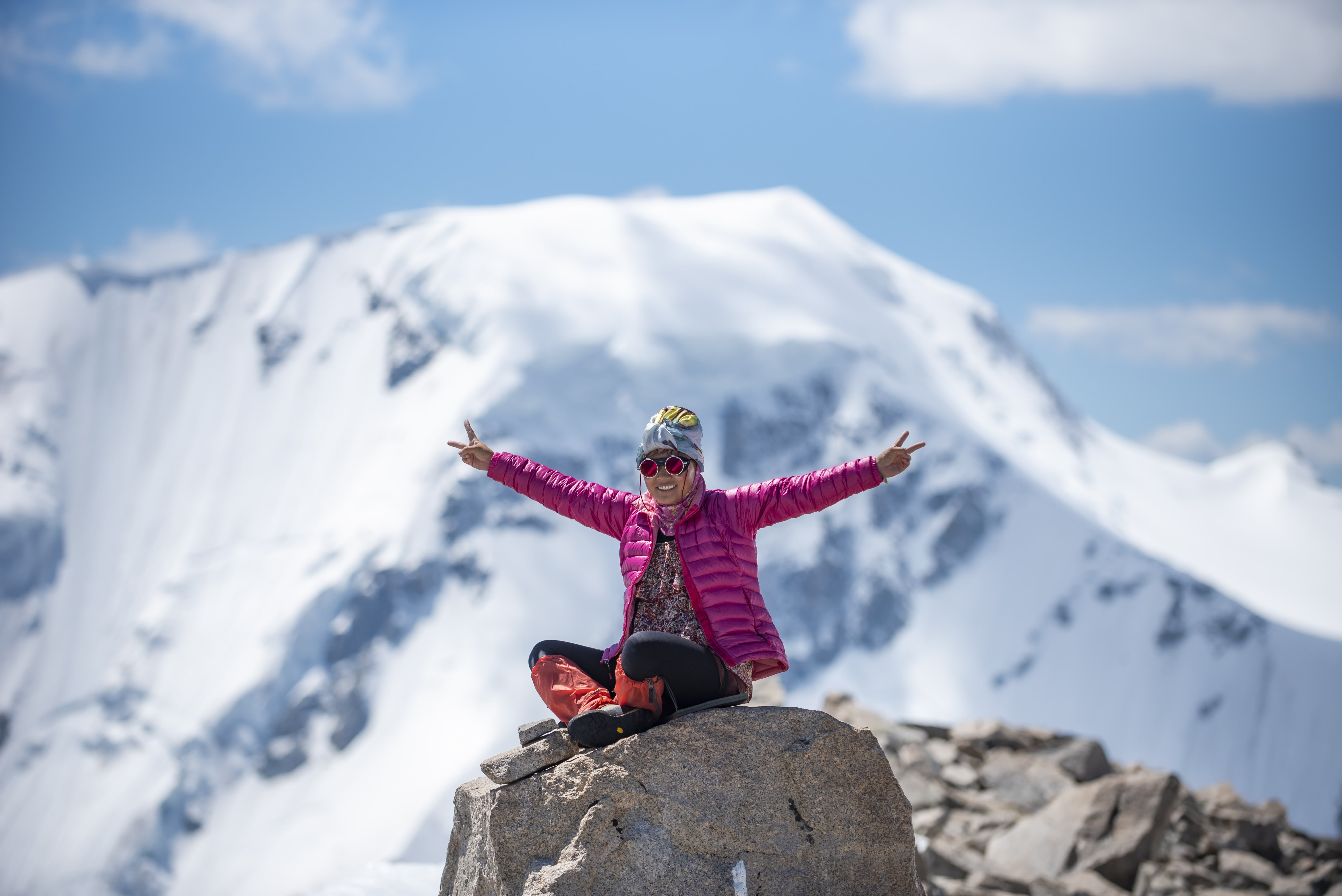
The Appeal of Tavan Bogd Peaks in Mongolian Mountaineering Tours Khuiten Peak, the main peak of Tavan Bogd, stands at an altitude of 4,374m (14,350 ft) and is the highest point in Mongolia (Britannica "Khüiten Peak"). Soaring at a corner where the borders of China and Russia meet, it is one of the few mountainous regions in Mongolia where glaciers still remain. The surrounding area features the Potanin Glacier—the longest in the country—flowing for approximately 14km, creating a landscape reminiscent of the Alps.
Tavan Bogd means "Five Holy Mountains" and consists of five peaks: Khuiten, Naran, Olgii, Burged, and Malchin. Because each peak has a different altitude and climbing difficulty, climbers can choose their goal within the same mountain group. The high concentration of glaciers, a tri-national border, and nomadic summer pastures in close proximity is a unique value exclusive to this area.
Many visiting climbers are moved more by the tranquility and scale of the glacial zone than by the summit itself. The terminus of the Potanin Glacier descends to an altitude of about 2,900m and is surrounded by massive moraines. Walking across a glacier offers an experience that is hard to find in Japanese summer mountains.
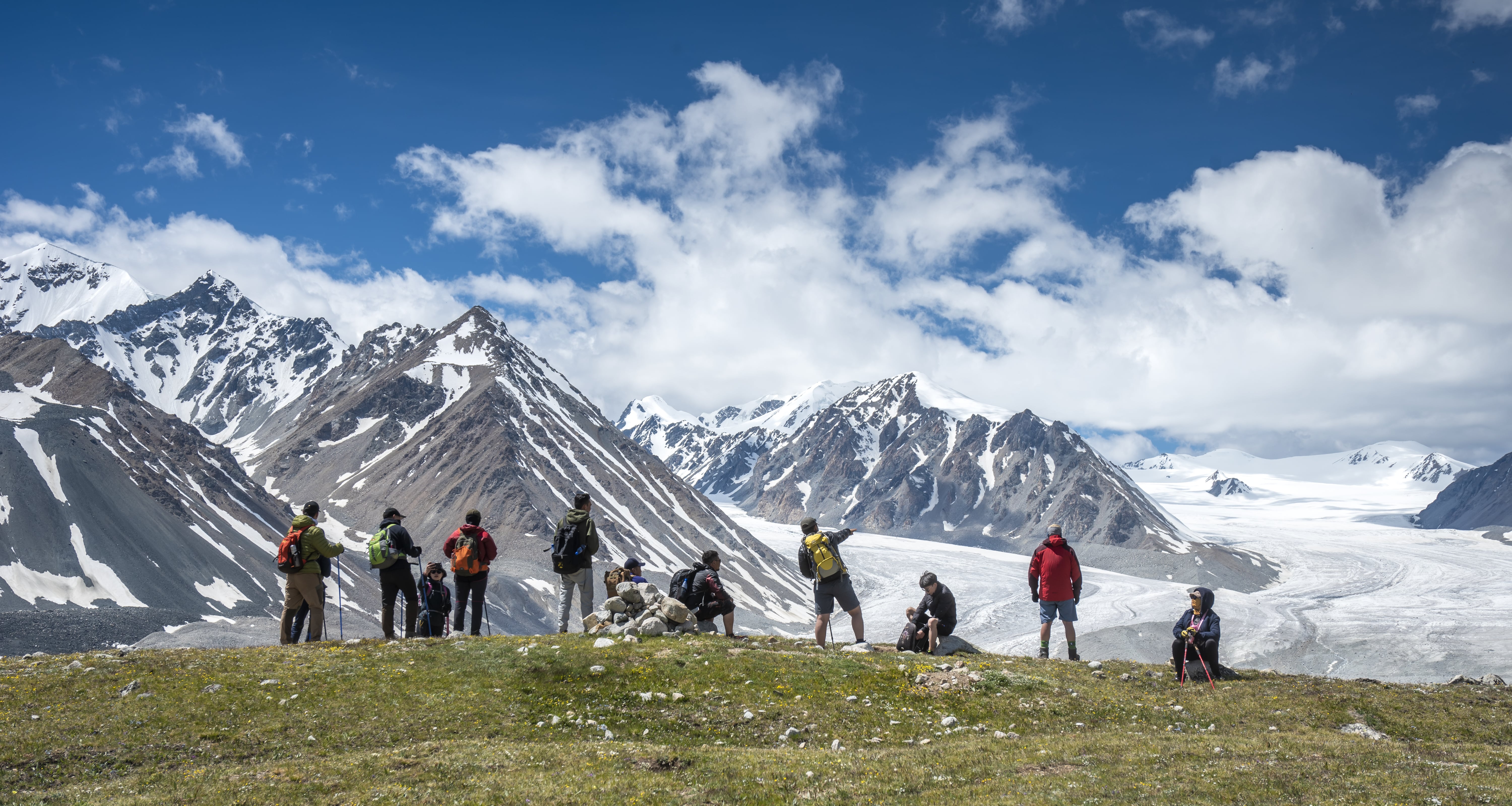
Routes and Difficulty Guidelines for Beginners to Advanced Climbers The criterion for choosing a route is whether or not it involves crossing a glacier. Malchin Peak (4,050m) is considered the only peak among the five Tavan Bogd peaks that can be climbed without specialized mountaineering equipment, and those with trekking experience can aim to reach it (Wikipedia "Tavan Bogd"). On the other hand, the main peak, Khuiten Peak, requires crossing the Potanin Glacier, and snow and ice climbing techniques using crampons and ice axes are prerequisites.
For beginners and intermediates, an itinerary combining a trek to the base camp with the ascent of Malchin Peak is recommended. Without intensive glacier walking, you can enjoy the panoramic views and the tri-national border. Many people who gain confidence in their physical strength return to challenge Khuiten Peak step-by-step the following year.
Advanced climbers choose itineraries with the primary goal of ascending Khuiten Peak, involving rope work and crevasse management. There are also advanced routes that combine the adjacent Naran Peak and Olgii Peak. By matching your snow mountain experience with the altitude you wish to reach and filtering first by the presence of a glacier, you won't get lost in your choice.
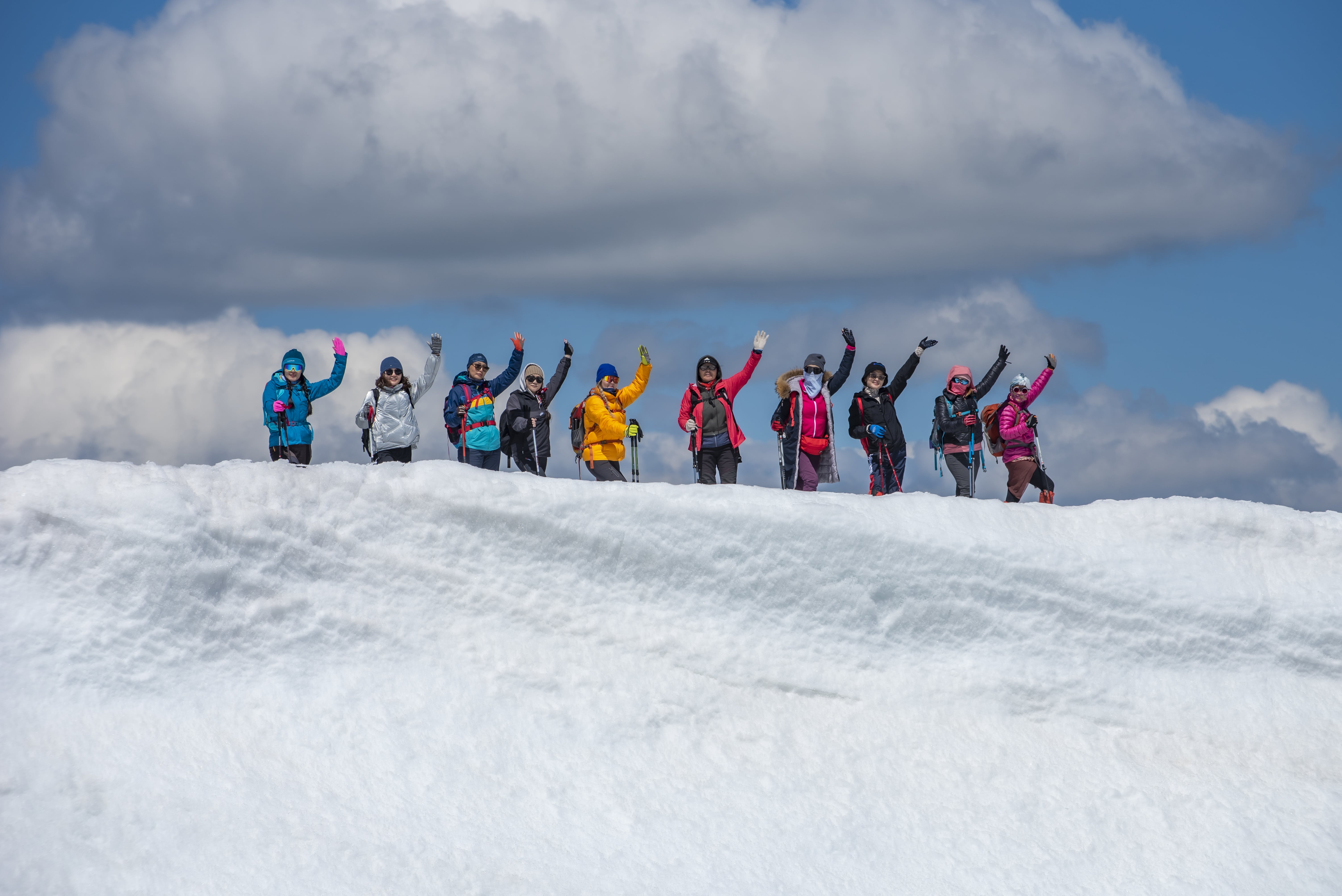
Basic Knowledge of Required Days, Physical Strength, and Equipment for Ascents The local itinerary required to climb Khuiten Peak generally takes about 7 to 10 days as a guideline. This includes travel from the capital to Bayan-Ulgii Province, approaching the base camp by 4WD vehicle, acclimatization, the summit push, and the descent. If the itinerary focuses on Malchin Peak, it can be arranged in a slightly shorter timeframe.
In terms of physical strength, the foundation is the endurance to walk 6 to 8 hours a day while carrying a heavy pack. For the few months before departure, it is reassuring to train your legs and cardio with long-distance climbing workouts and stair climbing. To acclimate your body to the elevation changes, an acclimatization day is always secured locally.
The basics of equipment include a 3-season to winter sleeping bag, windproof and waterproof outerwear, glacier crampons and ice axes, a helmet, and a harness. Even in summer, it gets cold on the glacier, and weather conditions change rapidly. Even for itineraries focused on Malchin Peak, do not compromise on cold-weather and windproof gear.
The terminus of the Potanin Glacier descends to an altitude of about 2,900m, forming a massive moraine zone. The scale of the glacier changes year by year, and route conditions are not constant. Relying on local guides for the latest glacier conditions is the safest approach.
Support and Safety Management of Guided Local Tours The core of a guided tour is acquiring border zone permits and managing safety on the glacier. Tavan Bogd is located in a border zone adjacent to China and Russia, and entering the area requires a border zone permit in addition to a park entry permit. These are difficult to obtain individually, and it is practical to apply in advance through a local travel agency.
Specialized local operating agents like Mongoliatravel handle everything in one package: permit arrangements, 4WD vehicles and drivers, mountain guides who also act as interpreters, and the setup of base camps with meals. In glacier zones, guides rope up team members and manage risks such as crevasses and rockfalls. The advantage is that you can entrust your language and procedural anxieties to them, even for your first overseas high-altitude climb.
In terms of safety management, scheduling for altitude acclimatization is the most critical factor. Raising altitude too quickly increases the risk of altitude sickness. Experienced guides flexibly determine the summit attempt day while monitoring the weather and each participant's physical condition. The presence of satellite communication devices and emergency systems is also an item to check before booking.
Experiencing nomadic summer camps and the lifestyle of Kazakh eagle hunters is another unique value of locally operated tours. Combining mountaineering and cultural experiences into a single itinerary is only possible thanks to the logistical capability rooted locally.
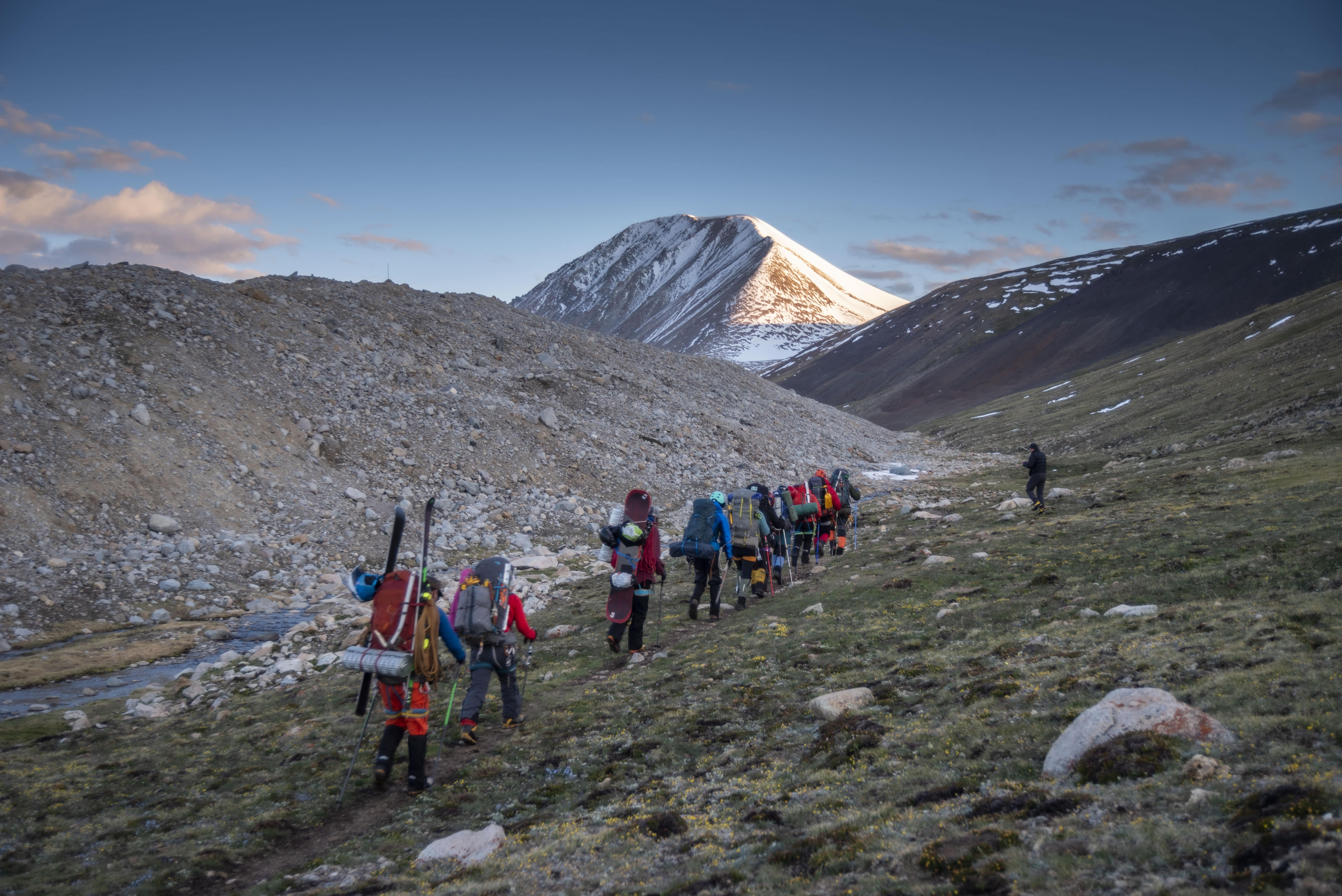
Best Season and Flow from Application to Departure The best season for Mongolian mountaineering tours is from late July to mid-August. During this period, temperatures are relatively stable, and glacier conditions are favorable for climbing. The overall climbing season spans from June to September, though caution is required regarding snowfall and cold snaps at the beginning and end of the season. The Altai Tavan Bogd National Park, where Tavan Bogd is located, is one of the largest protected areas in western Mongolia.
Applications should generally be made at least 30 days prior to departure. Border zone permits require a review period, making last-minute arrangements difficult. Because airline tickets and vehicle reservations become crowded during the peak season of July and August, planning well in advance is recommended.
The general flow is as follows:
-
Consultation on routes and schedules, and confirmation of estimates.
-
Application and submission of information required for permit processing (such as passport details).
-
Preparation of the equipment list and pre-departure training.
-
Arrival in the capital, followed by a domestic flight to Bayan-Ulgii Province.
-
Approaching the base camp by 4WD vehicle, followed by acclimatization and the summit push.
-
Safely enjoying the glaciers and nomadic culture of Tavan Bogd.
The key to safely enjoying Tavan Bogd's glaciers and nomadic culture is securing permits and timing early. You can start by deciding your desired peak and available travel period, then contacting a locally operating agent like Mongolian Mountain Summit to inquire about the latest seat availability and route conditions.
Frequently Asked Questions
-
How high is Khuiten Peak, the highest peak on Mongolian mountaineering tours? Khuiten Peak stands at 4,374m and is the highest point in Mongolia. As the main peak of the Tavan Bogd mountain group, it is a technical ascent involving glacier walking.
-
Can beginners participate in Mongolian mountaineering tours? Yes, they can. Malchin Peak (4,050m) is considered the only peak that can be climbed without specialized mountaineering equipment and is popular as a reachable goal for beginners, though physical preparation is required.
-
When is the best season for Mongolian mountaineering tours? Late July to mid-August is optimal. Temperatures are relatively stable during this time, and glacier conditions are suitable for climbing. The overall climbing season runs from June to September.
-
How many days does it take to climb Khuiten Peak? The local climbing itinerary generally takes about 7 to 10 days. This includes travel from the capital, approach to the base camp, altitude acclimatization, the summit attempt, and descent.