
Key Points
-
Unique Ethnic Culture: Bayan-Ulgii is situated in western Mongolia, with a distinct culture predominantly shaped by ethnic Kazakh residents.
-
Eagle Hunting Tradition: Eagle hunting is still deeply rooted in daily life, and the Golden Eagle Festival is held annually in early October near Ulgii.
-
Gateway to Mountaineering: Home to Mongolia's highest peak, Mount Khüiten (4,374 meters), serving as the base for Altai climbing and trekking.
-
Best Season to Visit: The best tourist season spans from September to October, coinciding with both festivals and the climbing season, with domestic flights available from Ulaanbaatar.
Overview
Bayan-Ulgii Province, nestled in the Altai Mountains of western Mongolia, offers a fascinating blend of nomadic Kazakh culture and breathtaking alpine landscapes. Unlike other regions of Mongolia, it features distinct languages, religions, and traditions, while acting as a premier base for high-altitude mountain climbing. This article outlines the location, culture, eagle hunting experience, mountaineering base role, and the best time and access methods for visiting Bayan-Ulgii.
Basic Information and Location of Bayan-Ulgii Province, Westernmost Mongolia
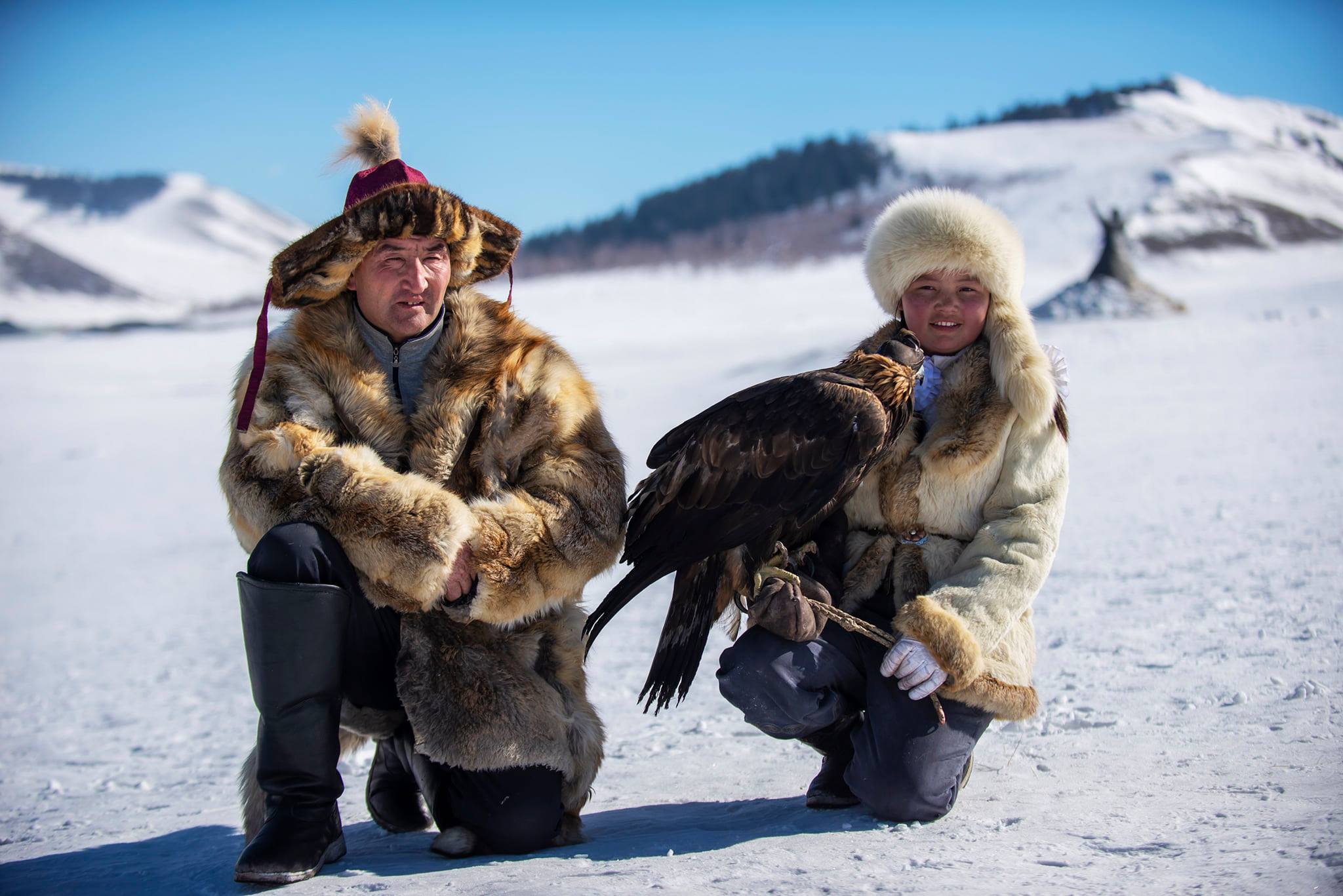
Bayan-Ulgii Province is located in the extreme west of Mongolia, spreading across the high altitudes of the Altai Mountains bordering China and Russia. The capital of the province is Ulgii, built in a high-altitude basin. Situated almost across the entire country from the capital, Ulaanbaatar, its climate and landscape differ significantly from central Mongolia.
What characterizes this province is that the majority of its residents are of Kazakh descent. While Mongol ethnic groups are dominant in other regions of Mongolia, Kazakh is spoken daily here, and many residents practice Islam. It is a unique region where you can experience a culture reminiscent of Central Asia while still being in Mongolia.
The terrain is rugged, featuring towering peaks topped with perpetual snow and valleys that turn green only in summer. Nomadic herders drive their livestock across these highlands, moving seasonally. Unlike urbanized areas, the strong presence of traditional living continues to attract travelers.
Culture and Lifestyle of Kazakh Nomads
The Kazakh residents of Bayan-Ulgii Province have continued their nomadic lifestyle while preserving their unique language, religious beliefs, crafts, and culinary culture. Their basic lifestyle involves moving to high-altitude pastures with livestock during the summer and descending to wind-sheltered valleys in the winter. While circular gers (yurts) are used as dwellings, the embroidered wall hangings and carpets decorating the interiors display distinctive Kazakh colors and patterns that differ from those in central Mongolia.
Regional Cuisine and Hospitality
Regional characteristics are also reflected at the dining table. In addition to dishes made with mutton, beverages and dairy products made from fermented mare's milk are served, and the deep-rooted custom of welcoming guests remains strong. When travelers are invited into a nomadic family's home, they are usually offered warm milk tea and dried dairy products. This very custom of hospitality is part of the cultural experience of this land.
Traditional Handicrafts
The tradition of handcrafting is also unmissable. Sheep's wool felt and brightly colored embroidery are skills that women have passed down through generations. By visiting the markets and workshops in Ulgii, you can get a close-up look at textiles and decorative items crafted as tools for daily life. The appeal lies in experiencing a living culture that is still actively used, rather than commercialized souvenirs.
Experiencing the Traditional Eagle Hunting Up Close
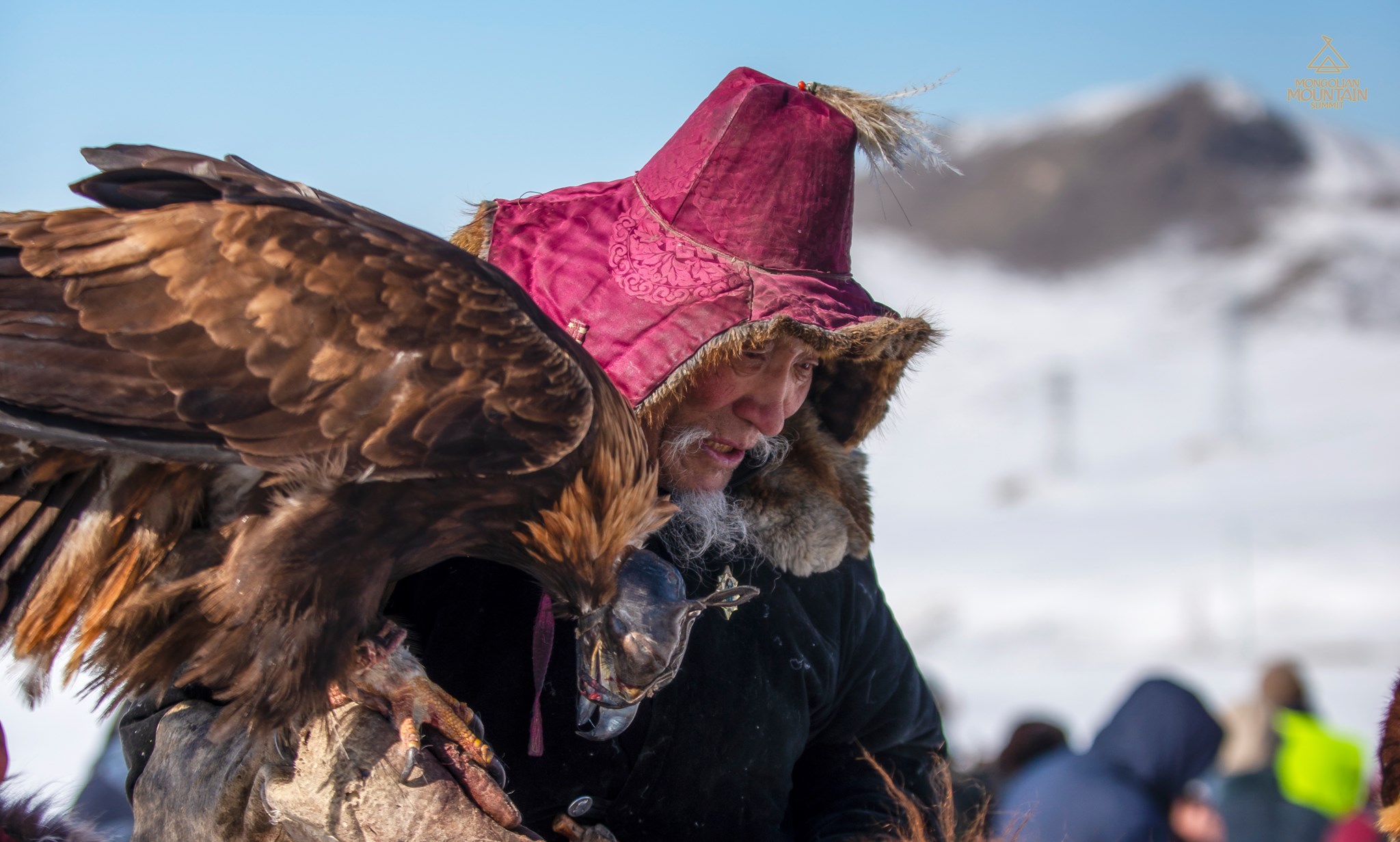
What makes Bayan-Ulgii Province world-famous is the culture of eagle hunters (berkutchi) who handle golden eagles from horseback. Eagle hunters capture young golden eagles, raise them, and train them to hunt foxes and hares on winter snowfields. This skill is passed down orally from parent to child, and a bond of trust between the eagle handler and the bird is built over many years.
The cultural value of falconry is internationally recognized, and falconry is inscribed on UNESCO's Representative List of the Intangible Cultural Heritage of Humanity through a joint proposal by multiple countries, including Mongolia. The fact that eagle hunting is positioned not merely as a hunting technique, but as a living human heritage to be preserved, can be confirmed on the UNESCO Intangible Cultural Heritage page.
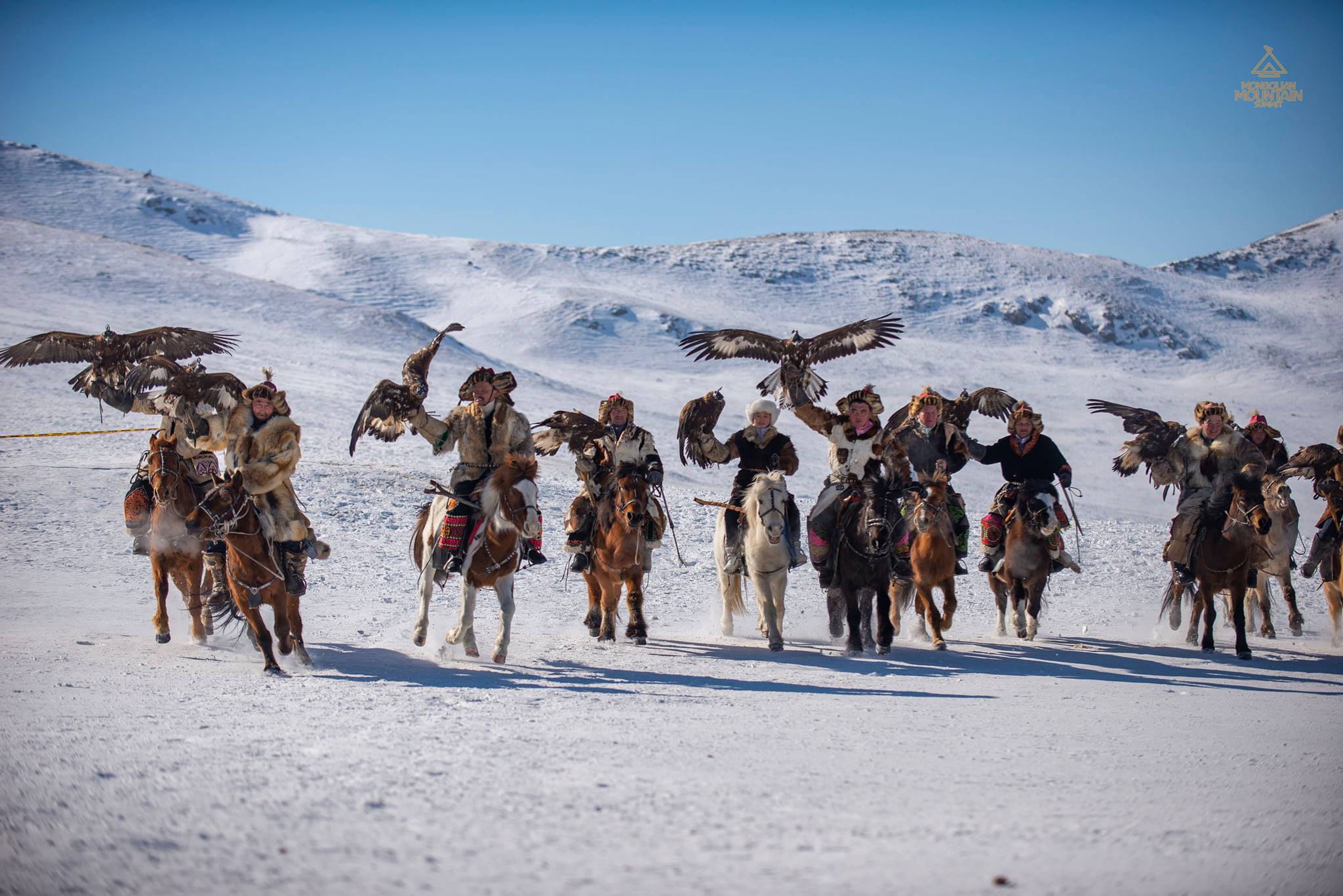
The biggest opportunity for travelers to experience this culture is the Eagle Festival, held near Ulgii in early October every year. Many eagle hunters gather from various parts of the region to showcase competitions where they call back the golden eagles on their arms while galloping on horses, as well as hunting demonstrations. Spectators can witness firsthand the moment the eagle cuts through the air, the eagle hunters' ethnic costumes, and the decorated horse tack from a distance of several tens of meters.
Even outside the festival season, there are ways to experience this culture. Through programs that visit eagle hunters' families, you can closely observe the breeding and training of golden eagles and sometimes experience holding an eagle on your arm. Spending time face-to-face with an eagle hunter in the quiet winter highlands leaves a deep impression, quite different from the excitement of the festival.
As a Base for Altai Mountaineering and Trekking
Bayan-Ulgii Province is also the gateway to Mongolia's highest mountain regions. At the western end of the province extends the Altai Tavan Bogd National Park, featuring a chain of five high peaks embracing glaciers. Its main peak, Mount Khüiten, stands at 4,374 meters above sea level, making it the highest point in Mongolia. This altitude can also be confirmed in the relevant entry of the Encyclopædia Britannica.
Climbing Mount Khüiten is a serious expedition involving glacier walking and high-altitude activity, which requires experience, equipment, and local guides. On the other hand, trekking to viewpoints overlooking glaciers or taking routes around the lakes and grasslands within the national park allows travelers with less mountaineering experience to enjoy the grand scenery. The depth of this region lies in the ability to assemble itineraries tailored to one's purpose and physical strength.
When planning mountaineering or trekking, arrangements handled by those familiar with local conditions determine success or failure. Local agencies specializing in Mongolian mountain tours, such as Mongolian Mountain Summit, handle complex arrangements like entry permits, guides, transportation, and negotiations with nomads all together. The comprehensive guide to Mongolian mountain tours is also useful for understanding the overall picture and preparation for Altai climbing.
There is another cultural heritage in this area that should not be missed. On the Mongolian side of the Altai Mountains, a vast collection of petroglyphs drawn since prehistoric times remains and is registered as a World Heritage site. Visiting the petroglyphs depicting ancient hunting and animals in between mountaineering or trekking allows you to feel the long span of time people have lived in this land.
Best Season to Visit and Access
The suitable time for visiting Bayan-Ulgii Province varies depending on the purpose of your trip. Mountaineering and trekking are mainly centered from June to September when the snow melts, making the climate relatively easy to move around even in the highlands. If your goal is Kazakh culture and eagle hunting, early October, when the Eagle Festival is held, is the best timing. From late September to early October is a popular season where you can enjoy both the cooled plateau scenery and the festival.
Winter is enveloped in severe cold, but for travelers who want to see actual falconry taking place on the snowfields, it is the prime season. When deciding on the time of visit, it is best to consider temperatures, road conditions, and the ease of arranging accommodation and transportation together to avoid failures.
For access, domestic flights from the capital, Ulaanbaatar, to the provincial capital, Ulgii, are the standard route. This air route connects the east and west of Mongolia at once, saving significant time compared to crossing overland. Since flight frequencies fluctuate depending on the season, early booking is recommended during festival periods. After arriving in Ulgii, the general workflow is to arrange a four-wheel-drive vehicle, a driver, and a guide to head toward national parks or nomadic settlements.
If you are visiting western Mongolia for the first time, consider pre-arranged local tours that incorporate festival viewing, climbing permits, and visits to nomadic families. The first step in planning your trip to Bayan-Ulgii is to decide on the time you want to visit and whether you want your focus to be cultural experiences or mountaineering.
Frequently Asked Questions
When is the best season to visit Bayan-Ulgii Province? June to September is ideal for mountaineering and trekking, while early October is the target period if you are aiming for the Eagle Festival or Kazakh culture. The optimal time varies depending on your purpose.
How do I get to Bayan-Ulgii Province from Ulaanbaatar? Domestic flights operate from the capital, Ulaanbaatar, to the provincial capital, Ulgii. It is an air route crossing the east and west of Mongolia, allowing you to access the western tip all at once.
Can tourists also observe eagle hunting? Yes. At the Eagle Festival in early October, many eagle hunters gather, allowing you to closely observe competitions and demonstrations. Even outside the festival season, cultural experiences visiting eagle hunters' families are possible.
What kind of language and religion characterize Bayan-Ulgii Province? The majority of residents are of Kazakh descent, Kazakh is widely spoken, and many practice Islam, which significantly differentiates it from other regions of Mongolia.