
Key Points
-
The Traditional Mongolian Ger: A portable dwelling constructed with a wooden framework covered by thick layers of felt and canvas, embodying centuries of nomadic wisdom for quick assembly and dismantling.
-
Immersive Daily Life: The heart of a ger stay lies in sharing a day with the nomadic family, from participating in livestock milking to crafting traditional dairy products.
-
UNESCO Cultural Heritage: The traditional craftsmanship of making the Mongolian ger and its associated customs were inscribed on UNESCO's Representative List of the Intangible Cultural Heritage of Humanity in 2013.
-
Essential Etiquette: Simple yet important customs to keep in mind include never stepping on the threshold of the doorway and respecting the hearth fire.
-
Family-Friendly Adventure: Even without modern toys, the opportunity to interact closely with livestock and animals makes it an unforgettable experience for families traveling with children.
Overview
A stay in a Mongolian ger is a journey of stepping directly into the daily life of a nomadic family living out on the vast steppes. Rather than just touring sightseeing facilities, you help out with milking and making dairy products, share meals gathered around the hearth, and sleep under the same felt roof. This article introduces everything you need to know about the ger—from its structural design and daily rhythms to available activities, visitor etiquette, souvenir tips, and advice for families enjoying the experience together.
Nomadic culture forms the bedrock of traditional life in Mongolia. By the end of 2025, Mongolia's livestock population reached 58.1 million animals (as reported by Xinhua citing the National Statistics Office), with the vast majority tended to by nomadic families across the grasslands. A ger stay offers a rare opportunity to step into this expansive pastoral lifestyle for a few days and experience it firsthand.
Traditional Wisdom in the Structure of a Ger
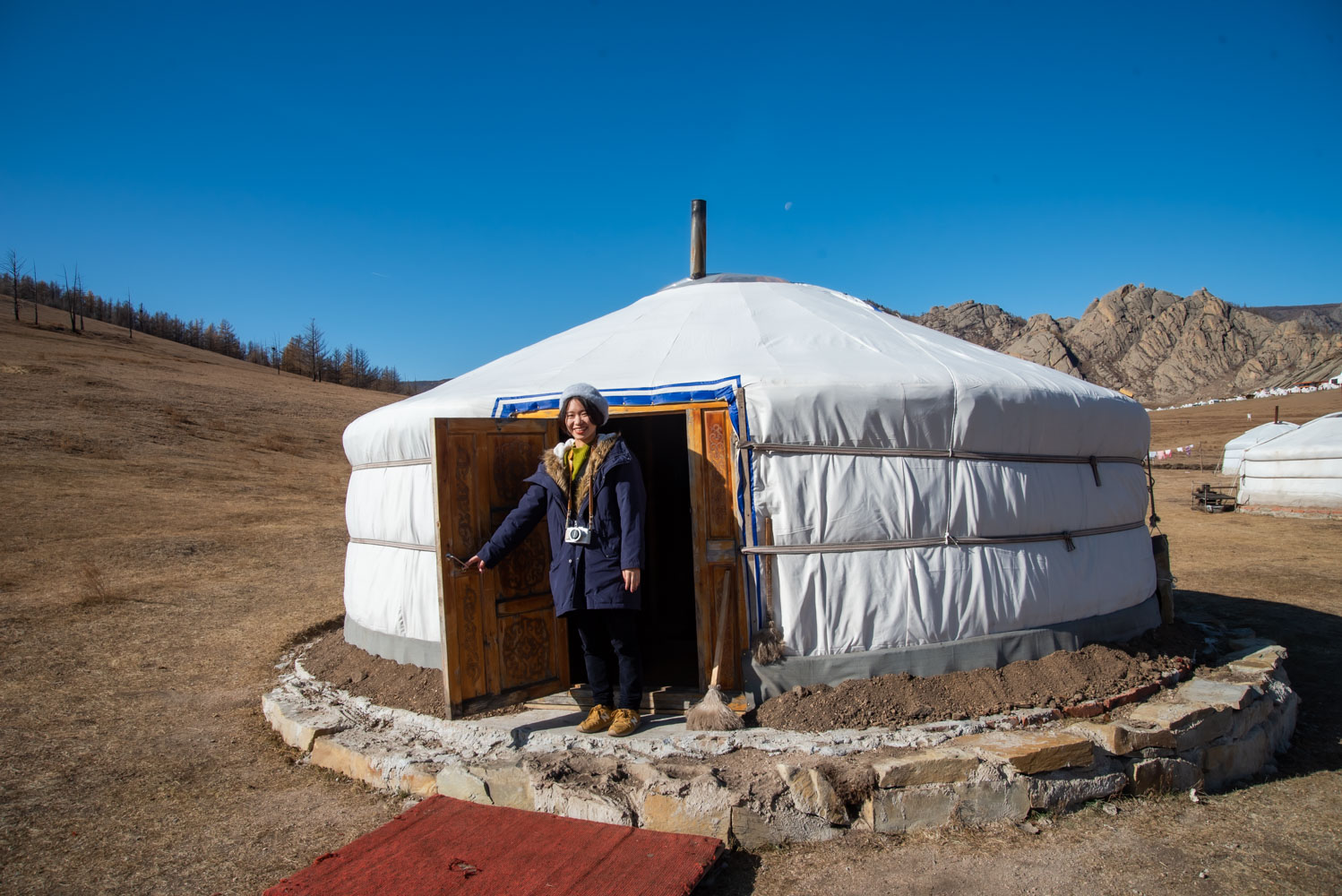
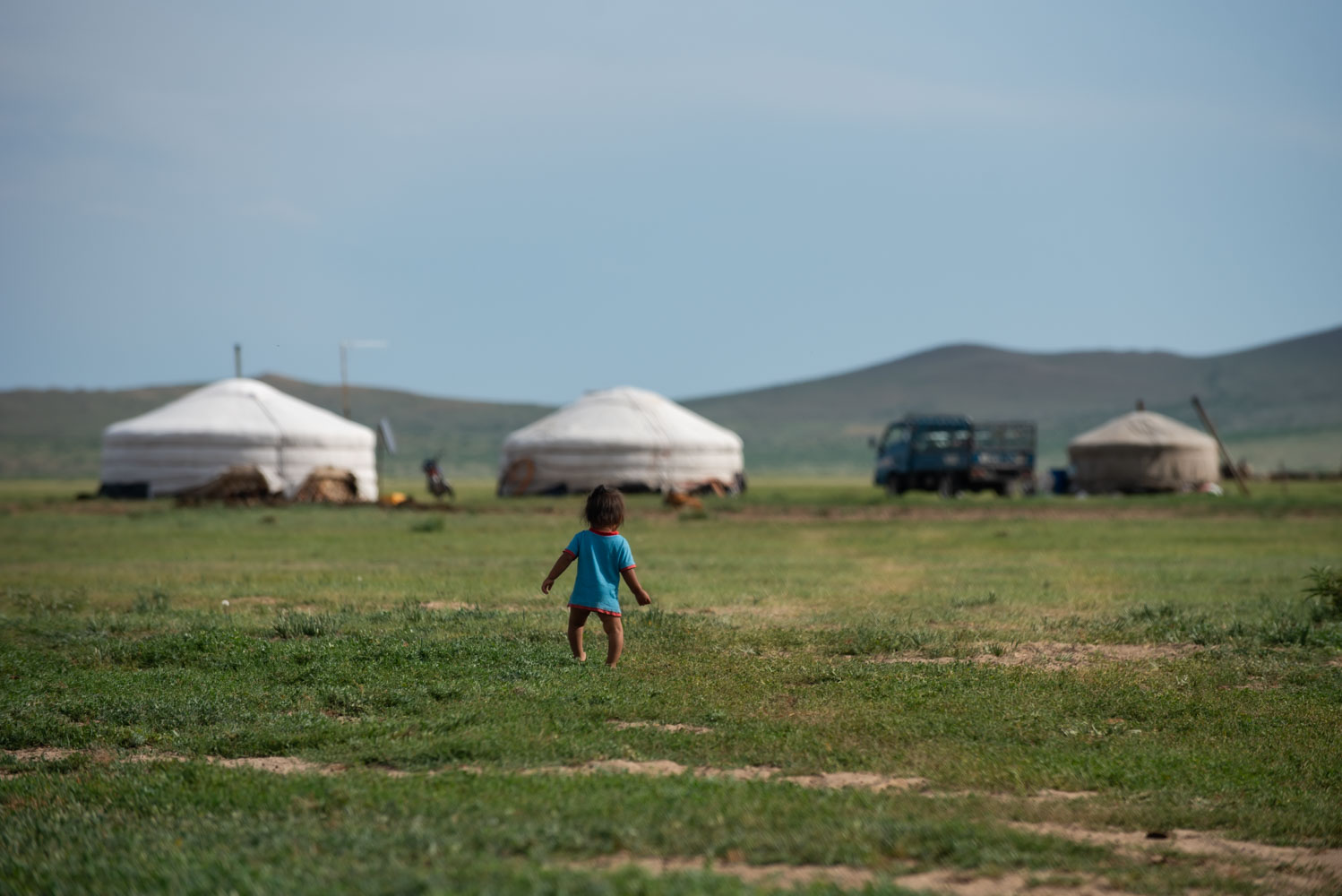
The ger is a portable, round dwelling constructed with a wooden framework covered by thick white felt and canvas, securely tied together with ropes made from animal hair. It is lightweight, foldable, and ingeniously designed so that a family can easily dismantle and reassemble it themselves. This concept of a "portable home" is the ultimate expression of nomadic wisdom, perfectly tailored to a lifestyle of moving across seasonal pastures.
Building a ger is a collaborative effort involving family and community members. Men shape the wood, while both men and women work together on painting, sewing, and felt-making. These traditional construction techniques and their associated customs were inscribed on UNESCO's Representative List of the Intangible Cultural Heritage of Humanity in 2013 (UNESCO).
The Practicality of Each Component
The framework consists of three main elements: lattice wall sections, radial roof poles, and a central crown (toono) at the peak. The crown allows natural light to enter, lets smoke escape, and even serves as a natural sun dial to tell the time. Step inside, and you will immediately notice the hearth at the center, serving as the literal and figurative heart of family life.
The way this knowledge is passed down is also unique. Dismantling and assembling the ger is always an all-hands-on-family effort, where children learn by watching and helping their elders. Rather than following manuals, wisdom is handed down through hands-on experience over time.
A Day in the Life of a Nomadic Homestay
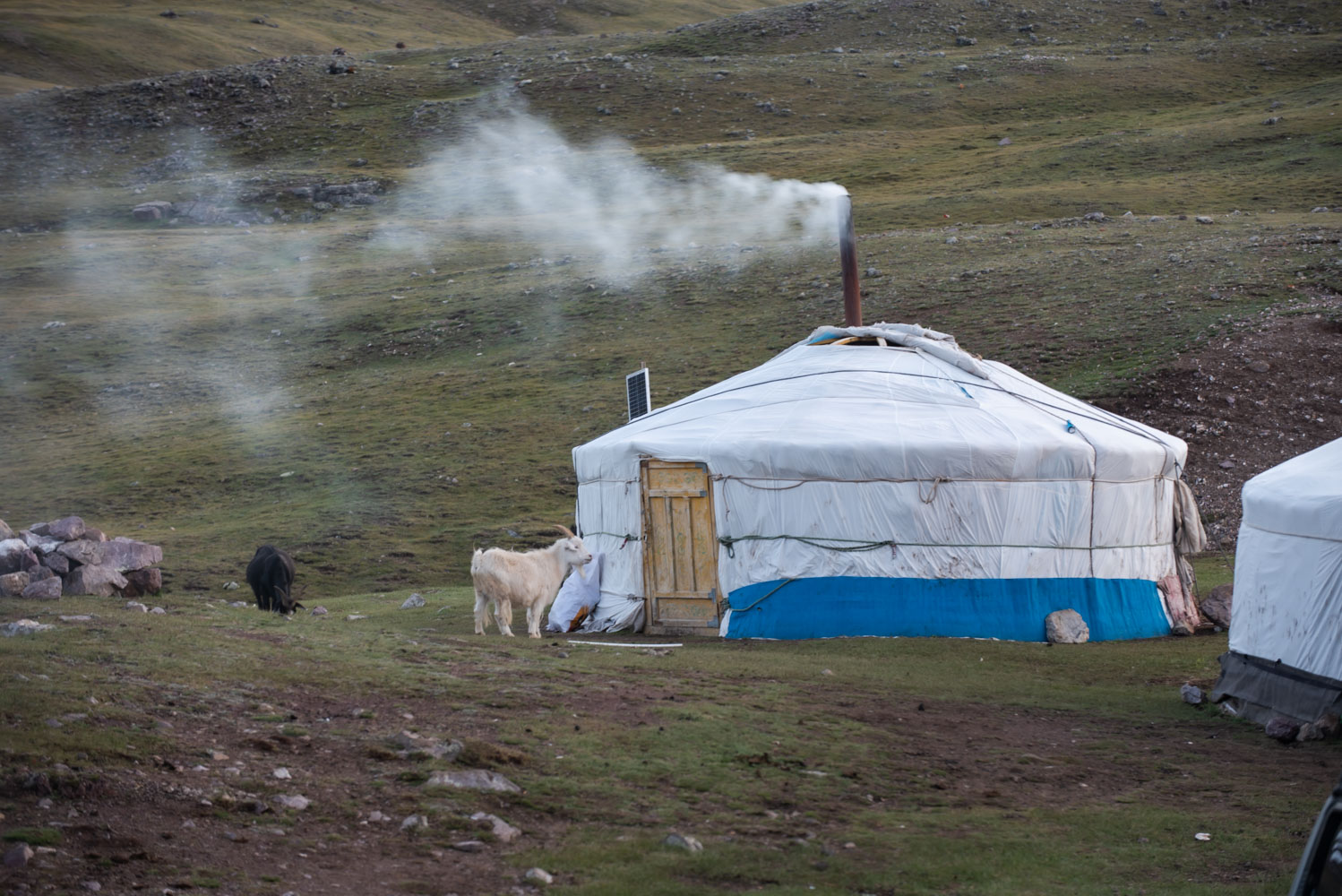
A day during a nomadic homestay revolves primarily around tending to livestock, starting early in the morning and winding down quietly around the hearth after sunset. There is no rigid tourist schedule; instead, life flows according to the family's natural daily rhythm, ensuring that no two days are ever alike. This is precisely what allows travelers to experience the authentic fabric of daily life.
Mornings usually begin with milking goats, cows, or horses depending on the season. The freshly milked harvest is immediately used for cooking or crafting traditional dairy products. During the day, guests might help herd livestock out to the pastures, pitch in with chores around the camp, or simply take a walk across the vast open steppe.
As evening approaches, the animals are brought back to their enclosures, and the night is spent gathered around a warm meal and hot tea. In places where electricity and digital communication are limited, the night skies open up to breathtaking views of the stars. The secret to enjoying this experience is letting go of tight schedules and surrendering to the natural pace of the moment.
Activities You Can Experience
The heart of a ger stay is participation, not just observation. By lending a hand with daily chores such as milking, moving livestock, and crafting dairy products, you gain a true feel for the rhythm of nomadic life. Even if you don't get it right away, the simple willingness to try is warmly welcomed.
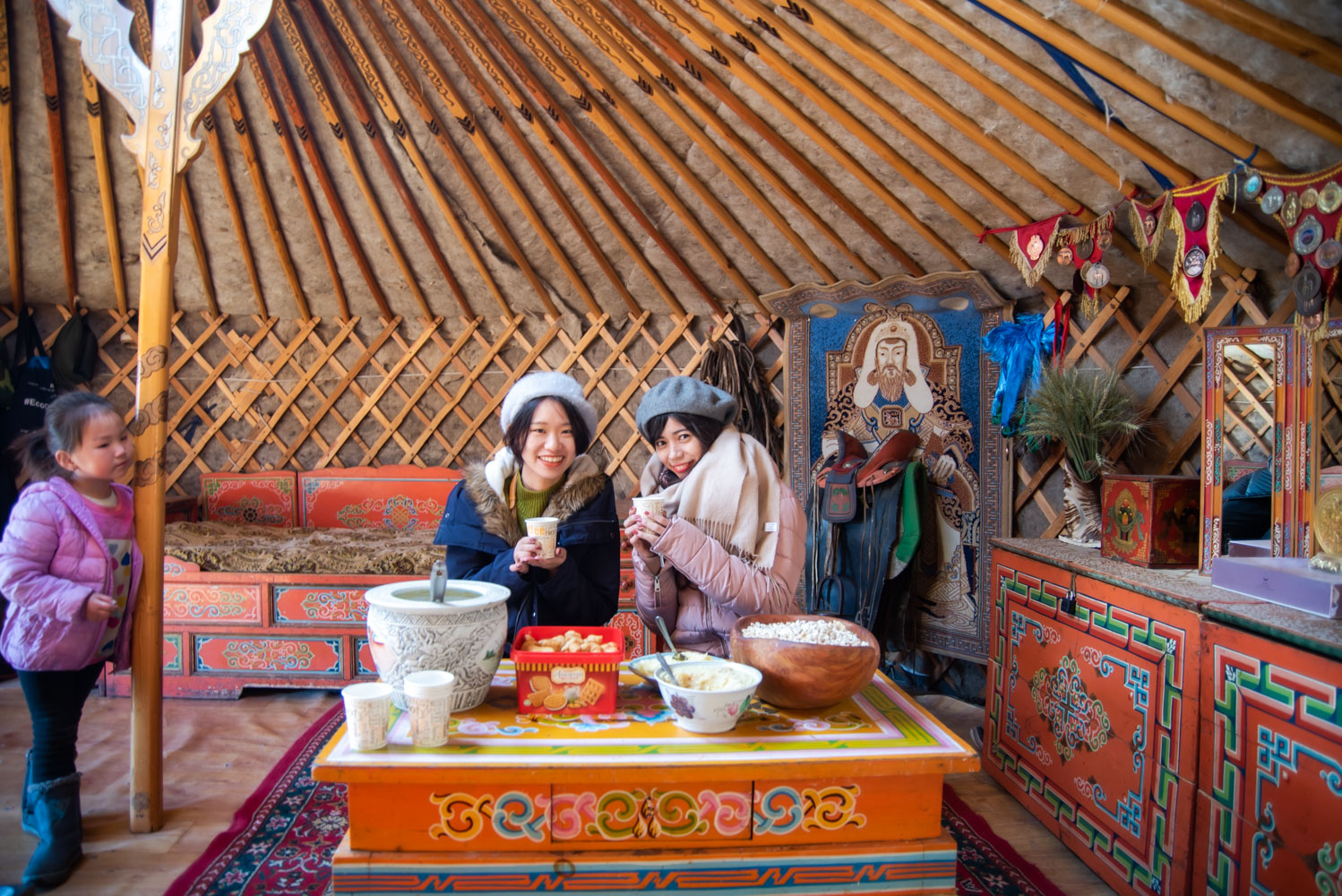
Making traditional dairy products is a particularly memorable experience. In the summer, airag (fermented mare's milk) graces the table, and aaruul (dried curd), a preserved food made from milk, is also crafted. These are clever methods for preserving nutrition within a mobile lifestyle, and understanding the background behind the flavors deepens the overall experience.
Seasonal Experiences
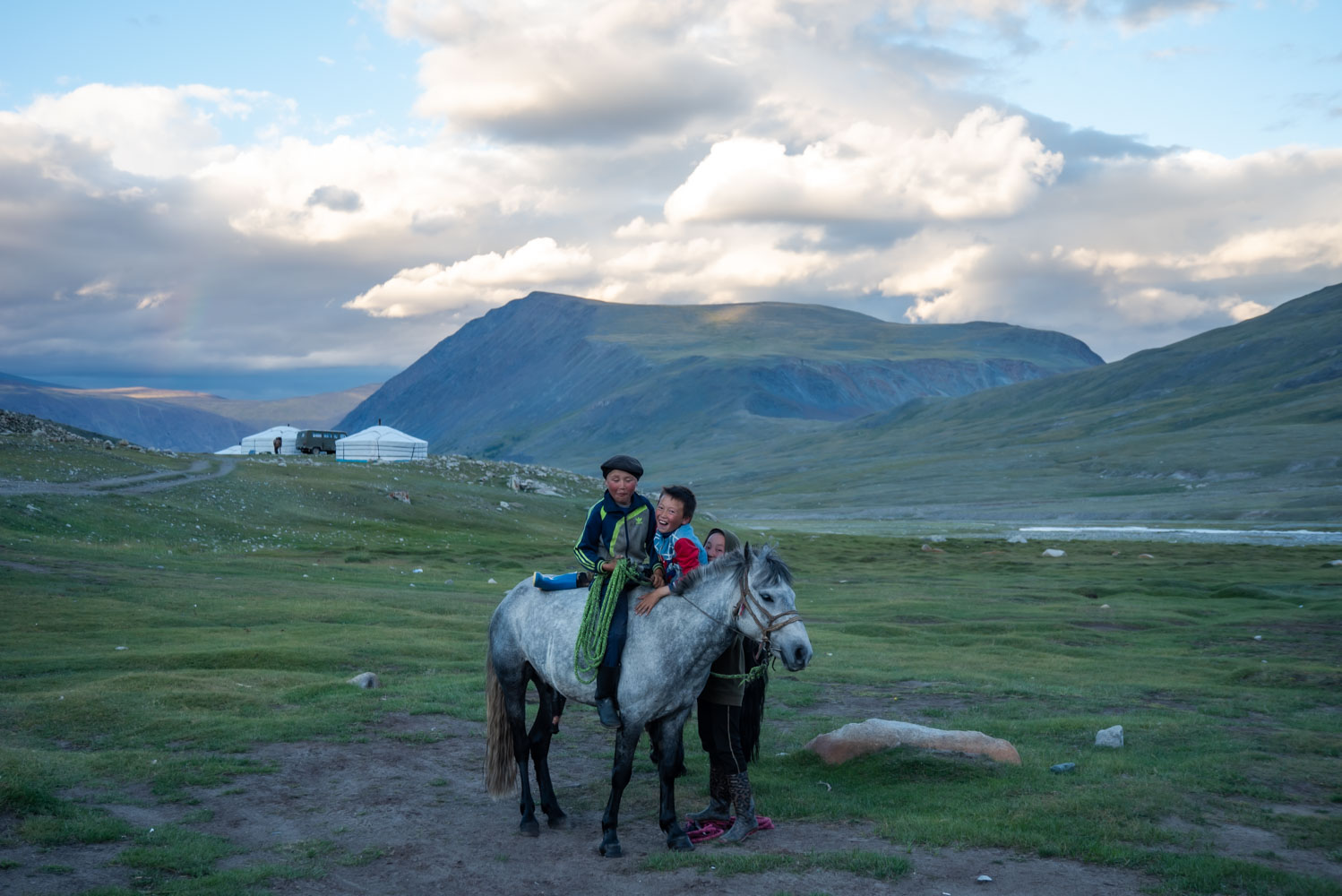
Life on the steppe changes dramatically with the seasons. Summer through early autumn is the most vibrant period for dairy production and milking, offering mild and pleasant weather. Sheep account for approximately 41.1% of all livestock and goats about 39.9% (as reported by Xinhua citing National Statistics Office data), meaning the specific animals you encounter and care for will vary depending on the host family and timing.
Equestrian culture is also a massive draw in Mongolia. For those wanting to try horseback riding, it can easily be combined with journeys involving full-scale mountaineering and trekking. If you are considering a more immersive outdoor adventure, consulting a comprehensive guide to Mongolian mountain tours makes planning much easier.
Essential Etiquette and Souvenir Tips
When visiting a ger, keeping a few basic customs in mind regarding respect for the hearth and space will ensure a comfortable stay. Not stepping on the threshold of the doorway and respecting the fire in the center of the ger are fundamental traditions cherished in nomadic culture. These are not complicated rules, but rather expressions of respect for entering a family's living space.
Receiving items with both hands or with your right hand is considered polite. Observing where family members sit and move inside the ger will naturally guide your own behavior. Whenever you are unsure, feel free to ask.
When it comes to souvenirs, practical items that convey thoughtfulness are always appreciated. Japanese tea, snacks, and stationery or daily goods for children are classic choices. Rather than focusing on high value, choose items based on whether they will be genuinely useful in your hosts' daily lives.
Highlights for Traveling Families
A ger stay is ideal for families because it naturally captivates children without the need for fancy toys. Interacting with livestock, trying out milking, and making dairy products engage the senses and turn the experience into natural learning. The beauty of it is that members of all ages can participate.
At the same time, the steppe experiences significant temperature swings between day and night, and facilities differ greatly from urban areas. Packing layers of clothing, basic medicine, and children's drinks will help ensure everyone in the family stays comfortable. Keeping a relaxed, flexible schedule is also essential.
Mongolia offers not only nomadic culture in general, but also distinct ethnic traditions that vary by region. If you are interested in Western Kazakh culture and eagle hunting, our guide on [What is Bayan-Ulgii Province? The Charm of Kazakh Culture and Eagle Hunting] serves as a great reference when choosing your destination. Consulting a local travel agency like Mongolian Mountain Summit, which handles nomadic homestays in Mongolia, makes it much easier to find host families tailored to your family's preferences and the season.
As a next step for your journey, try deciding on the season you would like to visit and one primary experience you want to try most—whether it's horseback riding or making dairy products. Once your goals are set, discussing host families and itineraries becomes much smoother.
Frequently Asked Questions
Is it okay to experience a Mongolian ger stay for the first time? Yes. Most homestays are hosted by nomadic families who are well-accustomed to welcoming guests, making it accessible for first-timers. Just keep basic manners in mind, such as not stepping on the threshold and respecting the hearth fire.
Which season is recommended for staying in a ger? Summer through early autumn (June to September) is the most comfortable period, featuring mild weather, lush green steppes, and vibrant activities like milking and dairy production.
What kind of souvenirs do nomadic families appreciate? Japanese tea, snacks, children's stationery, and practical daily goods are well-received. Rather than overly expensive items, practical gifts that convey thoughtfulness are preferred.
Can children join the ger stay experience? Yes. There are plenty of sensory-rich activities like interacting with livestock and crafting dairy products that visitors of all ages can enjoy. Because of the large temperature differences between day and night, bringing layers of clothing is recommended.