
Complete Guide to the Charms and Highlights of Lake Khövsgöl
Key Points
-
Vast Freshwater Reserve: Lake Khövsgöl holds approximately 70% of Mongolia's fresh water and accounts for about 0.4% of all fresh water on Earth.
-
Exceptional Purity: Reaching a maximum depth of approximately 262 meters, its remarkably clear waters are pure enough to drink directly.
-
Prime Outdoor Activities: Trekking and horseback riding are the main activities along the lakeshore, with summer from June to August being the optimal time to visit.
-
Reindeer Herders of the Northern Taiga: The Tsaatan (Dukha) people live in the northern forests, preserving their unique reindeer-herding culture.
-
General Travel Route: A domestic flight of about 1.5 hours from the capital to Mörön, followed by a drive to Hatgal village, is the standard route.
Overview
Lake Khövsgöl is a massive freshwater lake located in northern Mongolia, renowned as a premier tourist destination characterized by crystal-clear blue waters and mountain ranges surrounded by dense forests. Offering everything from trekking and horseback riding to reindeer nomadic cultural experiences and ger stays, a summer visit is especially recommended. This article provides a step-by-step guide ranging from key highlights and access details to the best time to visit.
When people think of Mongolia, many immediately picture the Gobi Desert or sprawling steppes. However, the northern region reveals a completely different landscape characterized by coniferous forests and the Siberian taiga. At the heart of this stunning region lies Lake Khövsgöl.
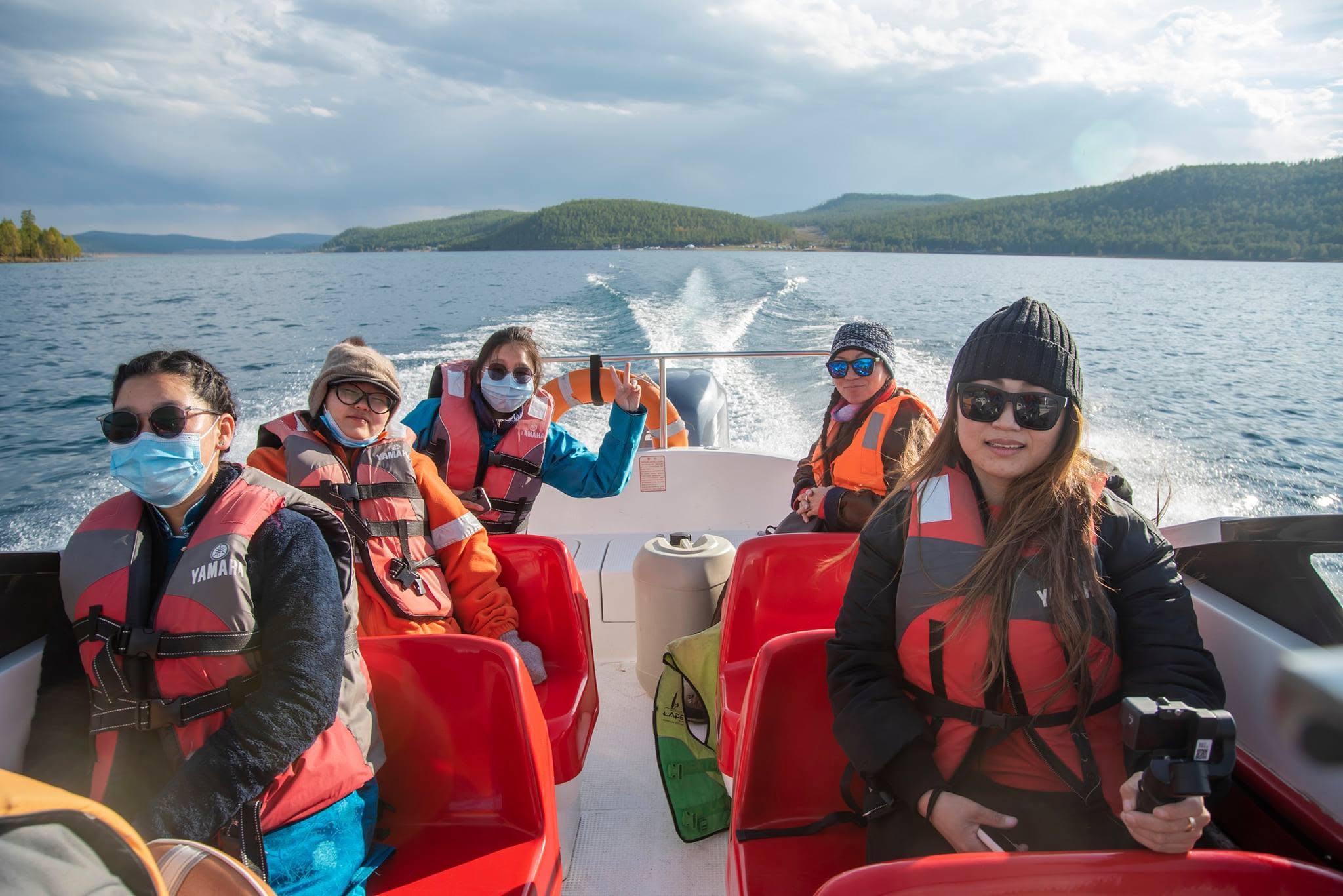
The Spectacular Scenery of Lake Khövsgöl, Known as the "Pearl of Mongolia"
Spanning an area of approximately 2,760 square kilometers, Lake Khövsgöl is the second-largest lake in Mongolia. Reaching a maximum depth of about 262 meters, it is also the deepest lake in the country. Its waters are so clear that they are drinkable, earning it nicknames such as the "Pearl of Mongolia" and the "Blue Pearl".
What makes this lake truly special is its sheer water volume. Lake Khövsgöl holds roughly 70% of Mongolia's fresh water and accounts for about 0.4% of the world's total fresh water. As one of Asia's oldest lakes with significant water storage, its history dates back over 2 million years. It is also known as a "sister lake" to Russia's Lake Baikal, located about 195 kilometers to the northeast, having been formed by the same tectonic movements.
The surrounding area of the lake has been designated as a national park to promote environmental conservation. Established in 1992, the park was subsequently expanded. Furthermore, in June 2022, the lake and its watershed were registered under UNESCO's World Network of Biosphere Reserves. This stands as proof that its pristine waters and untouched forests are recognized for their international value. Here, you will find a tranquility of forests and water distinct from the snow-capped peaks of the Altai Mountains.
Enjoying Trekking and Horseback Riding at Lake Khövsgöl
Trekking and horseback riding form the core of sightseeing around Lake Khövsgöl. Trails and footpaths extend along both the eastern and western shores, allowing visitors to walk while taking in views of the forests and the lake. Because walking all the way around takes several days, routes can be chosen to match your physical fitness, ranging from short day trips to full-scale traverses.
Horseback riding is a quintessential Mongolian way to travel, and riding across the grasslands along the lakeshore is an extraordinary experience. There are also plans tailored for beginners where guides lead the horses by the rein, making it enjoyable for families with children. Those interested in nomadic lifestyles may want to consider tours combining horseback riding and mountaineering. For travelers wishing to tackle the high peaks of the Altai region as well, reading our comprehensive guide to Mongolian mountain tours will make planning much easier.
Kayaking and fishing are also popular along the lakeshore. The lake is inhabited by fish such as the Siberian taimen, and dipping a paddle into the tranquil waters creates an unforgettable experience. Walking, riding, and paddling—the beauty of Khövsgöl lies in the ability to engage with the lake at your own pace.
Experiencing the Culture of the Tsaatan Reindeer Herders
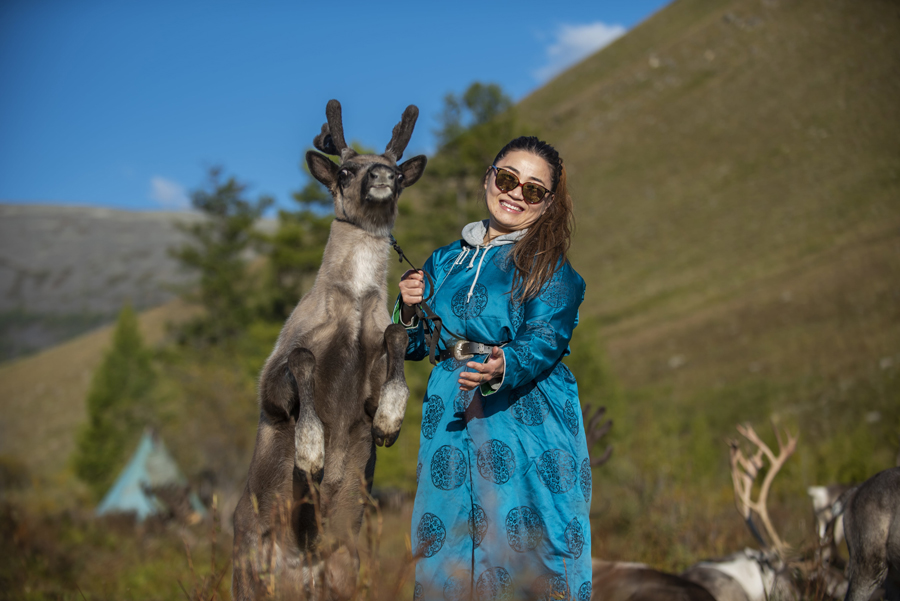
In the taiga forests spreading north of Lake Khövsgöl live the Tsaatan (Dukha) people, who subsist on reindeer herding. Their population is estimated to be around 400 to 500 people, divided across 70 to 80 families. They are among Mongolia's few remaining nomadic groups living alongside reindeer.
Instead of gers, the Tsaatan live in conical tents called orts. Reindeer are used for transportation and milk supply, and are rarely slaughtered for meat. Shamanistic beliefs still thrive among them, with rituals passed down as an integral part of their culture. Their ancestors are believed to trace their roots back to the Tuva region in Siberia.
Tours visiting the taiga offer glimpses into this lifestyle. However, because their population is small and their living sphere is delicate, avoiding unauthorized photography, following guide instructions, and maintaining an attitude of cultural respect are essential. For those specifically interested in nomadic dwellings themselves, reading our [Guide to Experiencing Nomadic Ger Life in Mongolia] will deepen your understanding by highlighting the differences from steppe ger living.
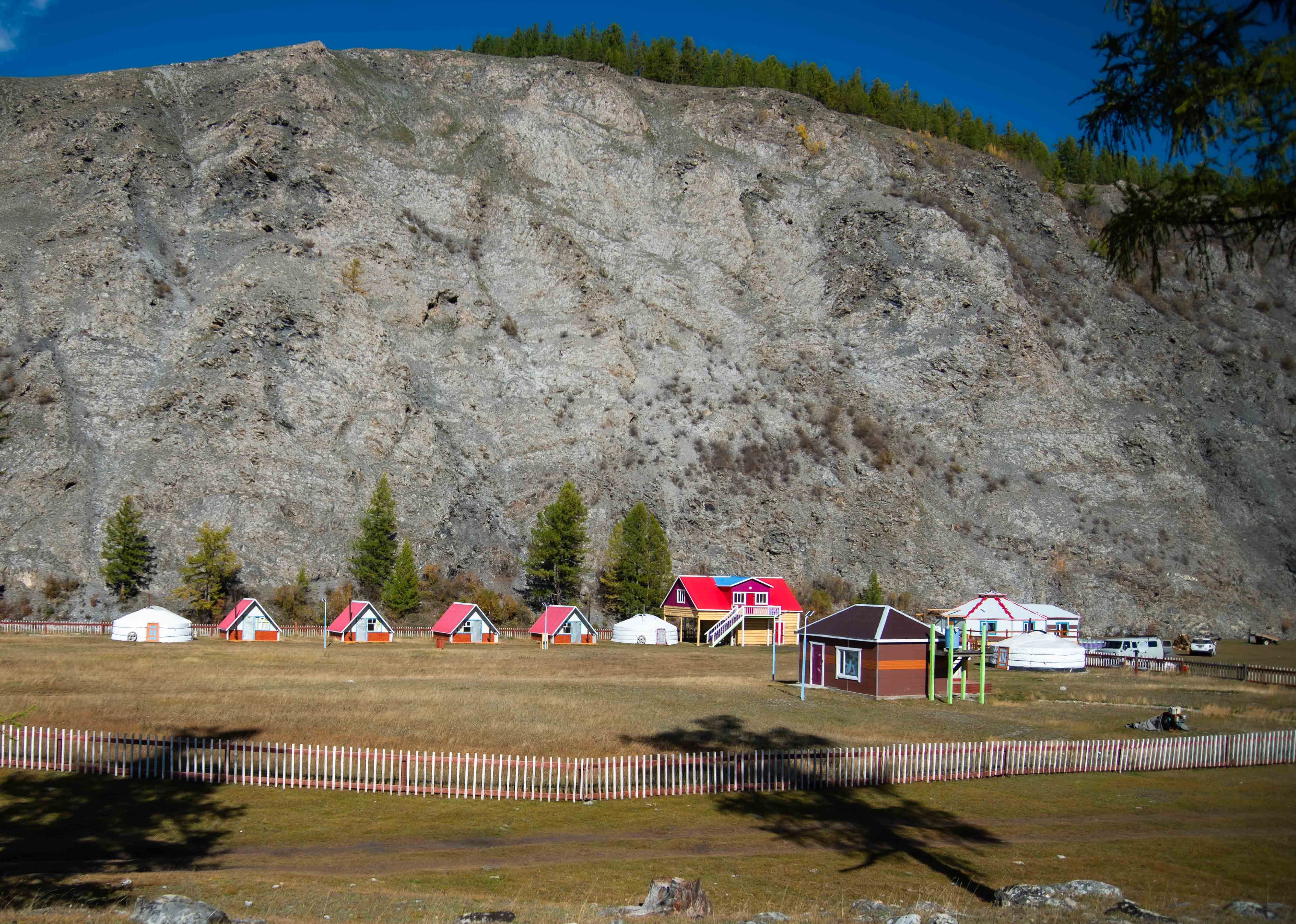
Surrounding Camp and Ger Accommodation Spots
Ger camps are the mainstream accommodation option around Lake Khövsgöl. Centered around the village of Hatgal on the southern shore, various large and small ger camps are scattered along the lakeshore. Staying in a traditional ger allows you to enjoy the tranquility of the lake in the morning and a sky full of stars at night. With many comfortable camps providing meals and warm stoves, even first-time visitors to Mongolia can feel at ease.
For those seeking an experience closer to nature, camping with brought-in tents is also an option. Because the area is a national park, there are regulations regarding campfires and waste disposal, and environmental consideration is required. To protect this pristine water source, make sure to check the rules before taking action.
Choosing an accommodation site depends on the season and purpose of your trip. If you want a base for horseback riding and trekking, a lakeshore camp is ideal; if you plan to incorporate a visit to the Tsaatan, planning an itinerary that accounts for access to the north is convenient. Using a tour allows you to arrange lodging and transportation together, and consulting a local travel agency like Mongolian Mountain Summit makes it easier to build a plan tailored to your schedule and physical fitness.
Access Methods and Recommended Time to Visit
To get to Lake Khövsgöl, you head northwest from the capital, Ulaanbaatar, via Mörön. By air, it is a standard route taking about 1.5 hours from Ulaanbaatar to Mörön Airport, followed by a drive of approximately 100 kilometers to enter Hatgal village on the southern shore. For overland travel, the distance from Ulaanbaatar to Mörön is about 680 kilometers, making travel in a four-wheel-drive vehicle the safest bet (Wikipedia).
Summer is the most recommended time to visit. June through August offers a mild climate, making it the optimal season for trekking and horseback riding. In mid-July, Mongolia's largest festival, Naadam, is held, bringing vibrant energy to the grasslands. With blooming flowers and long daylight hours, this season showcases the deepest blue of the lake.
In winter, the lake freezes over under thick sheets of ice, allowing visitors to enjoy ice events and dog sledding. However, temperatures can drop close to minus 30 degrees Celsius, requiring proper equipment and experience. May and September see fewer crowds and offer tranquility, but note that the weather can be unpredictable.
If you are aiming for Lake Khövsgöl for the first time, starting with a multi-day summer ger-stay tour is the most realistic approach. Communicating your schedule and budget to Mongoliatravel and deciding whether to prioritize horseback riding, trekking, or a visit to the Tsaatan beforehand will make your days on-site much more fulfilling.
Frequently Asked Questions
When is the best season to visit Lake Khövsgöl? Summer, from June to August, is the best season. The climate is mild and ideal for trekking and horseback riding. In winter, the lake freezes thick with ice and hosting ice events, but temperatures drop to near minus 30 degrees Celsius, bringing severe cold.
How do I get to Lake Khövsgöl? The standard route involves taking a domestic flight from Ulaanbaatar to Mörön Airport (about 1.5 hours), followed by a roughly 100-kilometer drive to Hatgal village. For overland travel, the distance from Ulaanbaatar is about 680 kilometers, making a four-wheel-drive vehicle the safest and most reliable choice.
Can I meet the Tsaatan people? You can potentially meet them by joining a guided tour visiting the northern taiga. Because their population is small—around 400 to 500 people—visits must be conducted with deep respect for their culture. Please avoid taking unauthorized photographs.
Can you drink the water of Lake Khövsgöl? Its transparency is exceptionally high, and locally the water is considered pure enough to drink without treatment. It serves as a precious water source holding approximately 70% of Mongolia's fresh water and was registered as a UNESCO Biosphere Reserve in 2022.