
Key Points
-
The Big Three Highlights: The core of a Gobi Desert tour consists of three main spots: Bayanzag, the Khongoryn Els sand dunes, and the ice gorge of Yolyn Am.
-
Paleontological Significance: Bayanzag is renowned as the first place in the world where dinosaur egg fossils were discovered.
-
Standard Itinerary Duration: A standard tour loop takes around 6 days and 7 nights, while a shortened version of 4 days and 5 nights is a realistic benchmark.
-
Essential Preparation: Due to large temperature fluctuations between day and night, layering clothes and preparing for dust protection are top priorities.
Overview
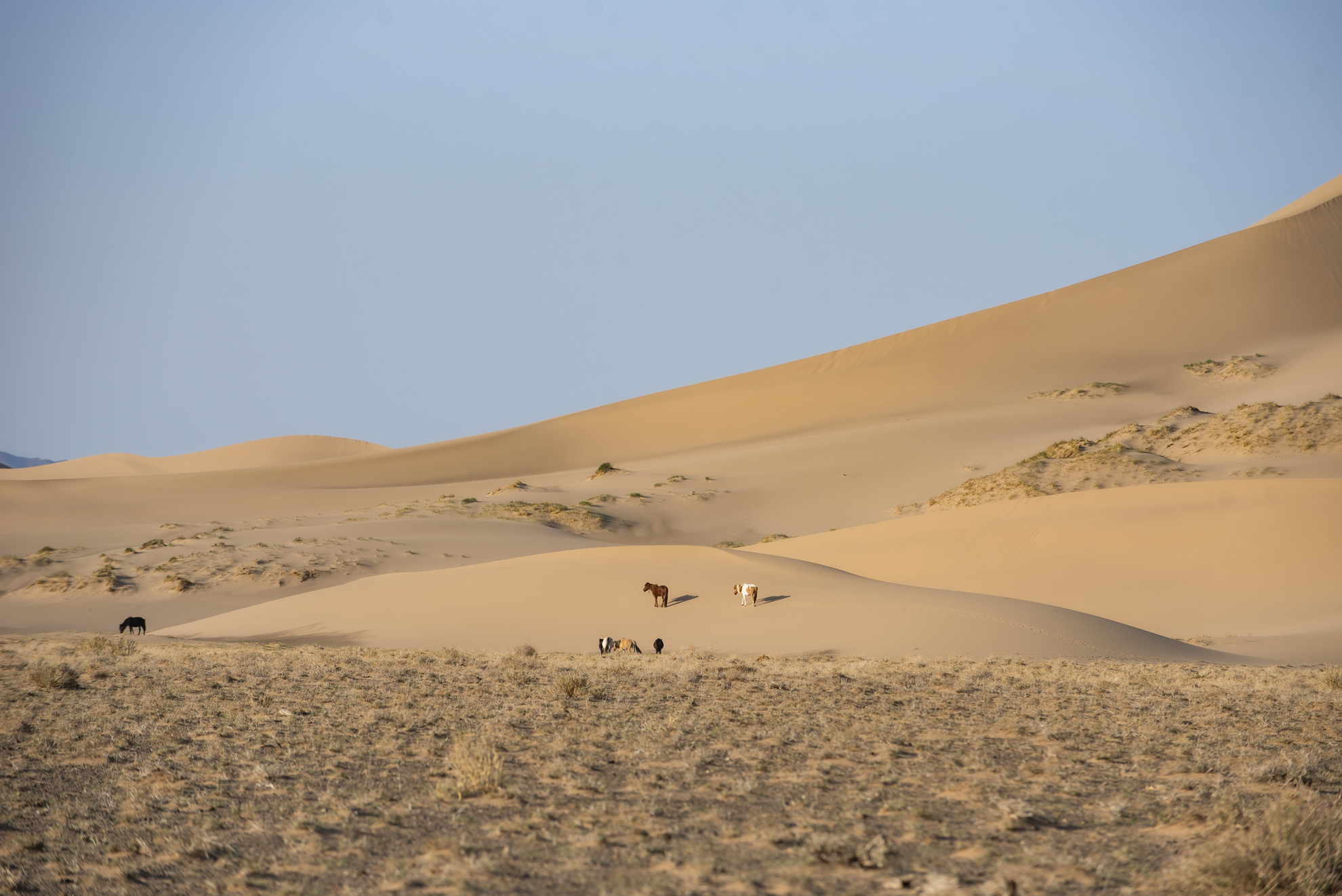
When embarking on a Gobi Desert tour in Mongolia, three things are absolute must-sees: the red cliffs of Bayanzag, the giant sand dunes of Khongoryn Els, and the ice-retaining canyon of Yolyn Am. This article is organized for those comparing providers and considering booking, breaking down the highlights, model itineraries by duration, and concrete strategies to ensure your preparations go smoothly. It is summarized based on on-the-ground travel logistics so that even first-timers can grasp the big picture.
The Gobi is one of Asia's largest deserts, featuring a varied landscape interwoven with rocky mountains, steppes, and steep cliffs, far beyond just sand dunes. Expect to be surprised by its incredible diversity if you go expecting "nothing but sand."
Classic Spots and Hidden Gems Explored on a Gobi Desert Tour
The structure of a Mongolian Gobi Desert tour is a loop-style journey connecting distant highlights over several days. Starting from Dalanzadgad, the hub of South Gobi Province, tours visit the cliffs, dunes, and canyon in sequence. Much of travel between these spots involves long drives over unpaved roads, with some days spent mostly in a vehicle.
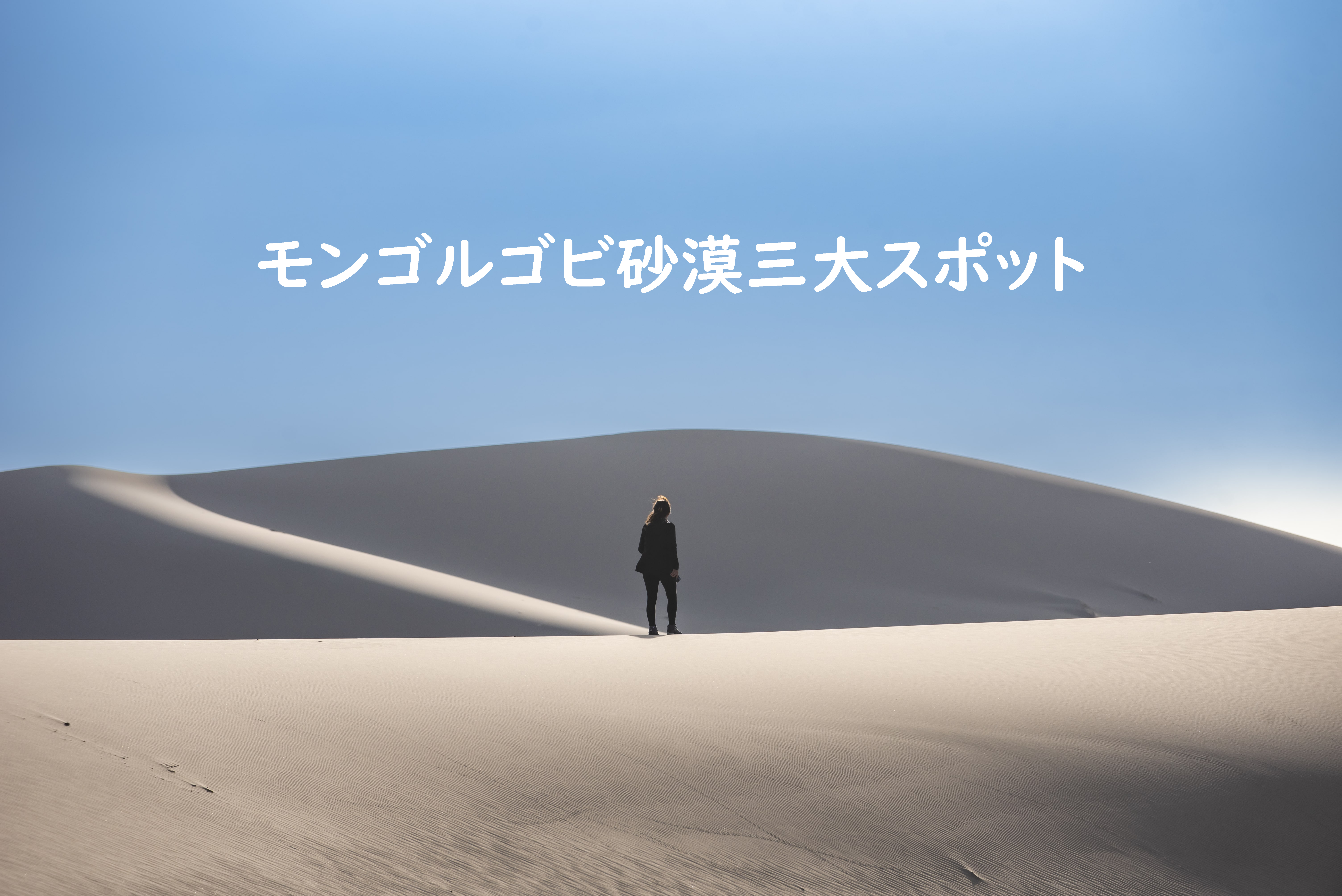
There are three classic highlights: Bayanzag (the Flaming Cliffs) famous for dinosaur fossils, Khongoryn Els known as the "singing dunes," and Yolyn Am where ice lingers even in midsummer. Covering these three gives you a full appreciation of the Gobi's topographical breadth.
If you are looking for hidden gems, Tsagaan Suvarga (White Stupa)—a series of white fault cliffs—is another great candidate. The sight of layered cliffs dyed in the hues of the setting sun is exceptionally photogenic. However, because access takes time, it is most realistic to include it on a course with a flexible schedule.
The scenery is completely different from northern nature like Lake Khövsgöl. For those wanting a broader understanding of Mongolia, reading our [Complete Guide to the Charms and Highlights of Lake Khövsgöl] alongside this will reveal the country's diverse landscapes.
The Allure of Bayanzag (The Flaming Cliffs) and Dinosaur Fossils
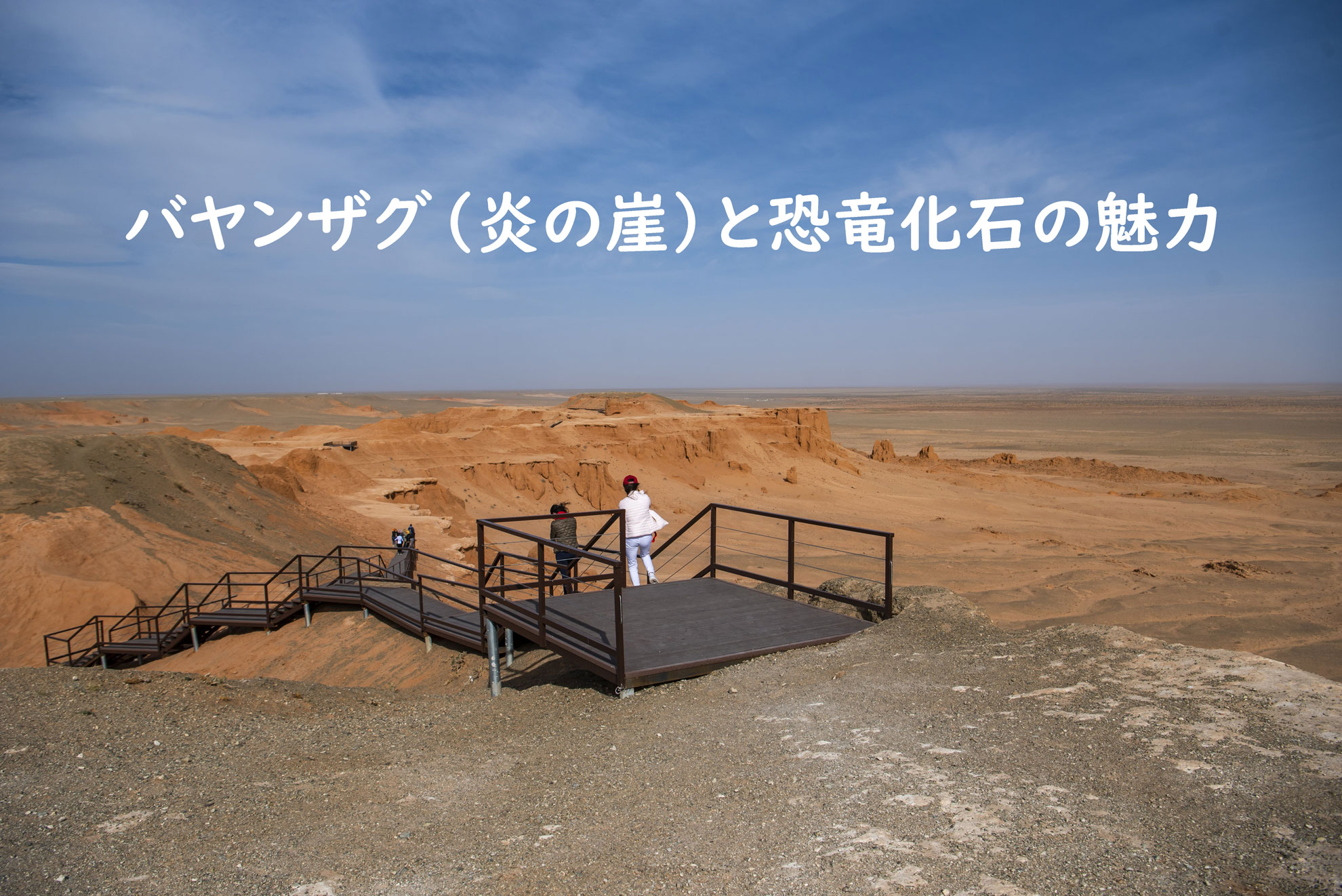
Bayanzag is globally renowned as the first place where dinosaur egg fossils were discovered. In the 1920s, a Central Asiatic Expeditions team led by Roy Chapman Andrews of the American Museum of Natural History unearthed fossilized eggs along these red cliffs. This monumental discovery provided crucial evidence that dinosaurs reproduced by laying eggs.
Because the cliffs appear to glow as if on fire, they are widely known as the "Flaming Cliffs." The landscape is at its absolute most breathtaking during sunset, when the west-facing sandstone shifts in color from vibrant orange to deep red. If you plan to visit, timing your trip around sunset is highly recommended.
Visitors can walk among the exposed geological layers and weathered rock formations. While collecting fossils yourself is strictly prohibited for conservation purposes, standing in a land that holds traces of ancient life carries a unique and profound weight. Walking alongside a guide and listening to their explanations completely transforms how you experience the scenery.
For those interested in the historical background of dinosaur research, the natural environment surrounding this expedition site has long drawn international attention. An overview of Mongolia's natural heritage designations can be explored via the UNESCO World Heritage Centre's Mongolia pages.
Camel Riding and Experiencing the Khongoryn Els Sand Dunes
Khongoryn Els is a massive dune system representing the Gobi Desert. Because the sand makes a low sound when shifted by the wind, it is also known as the "Singing Dunes". Climbing up to the ridge reveals a striking, contrasting panorama stretching all at once: an endless sea of sand on one side, and an oasis with grasslands on the other.
Climbing the dunes is a major highlight of this spot. Ascending slopes where your feet sink requires more physical stamina than you might expect, and reaching the summit takes time. It is most realistic to tackle this climb during the cool morning hours or in the late afternoon when the sunlight softens. The view after making it all the way to the top makes the effort entirely worthwhile.
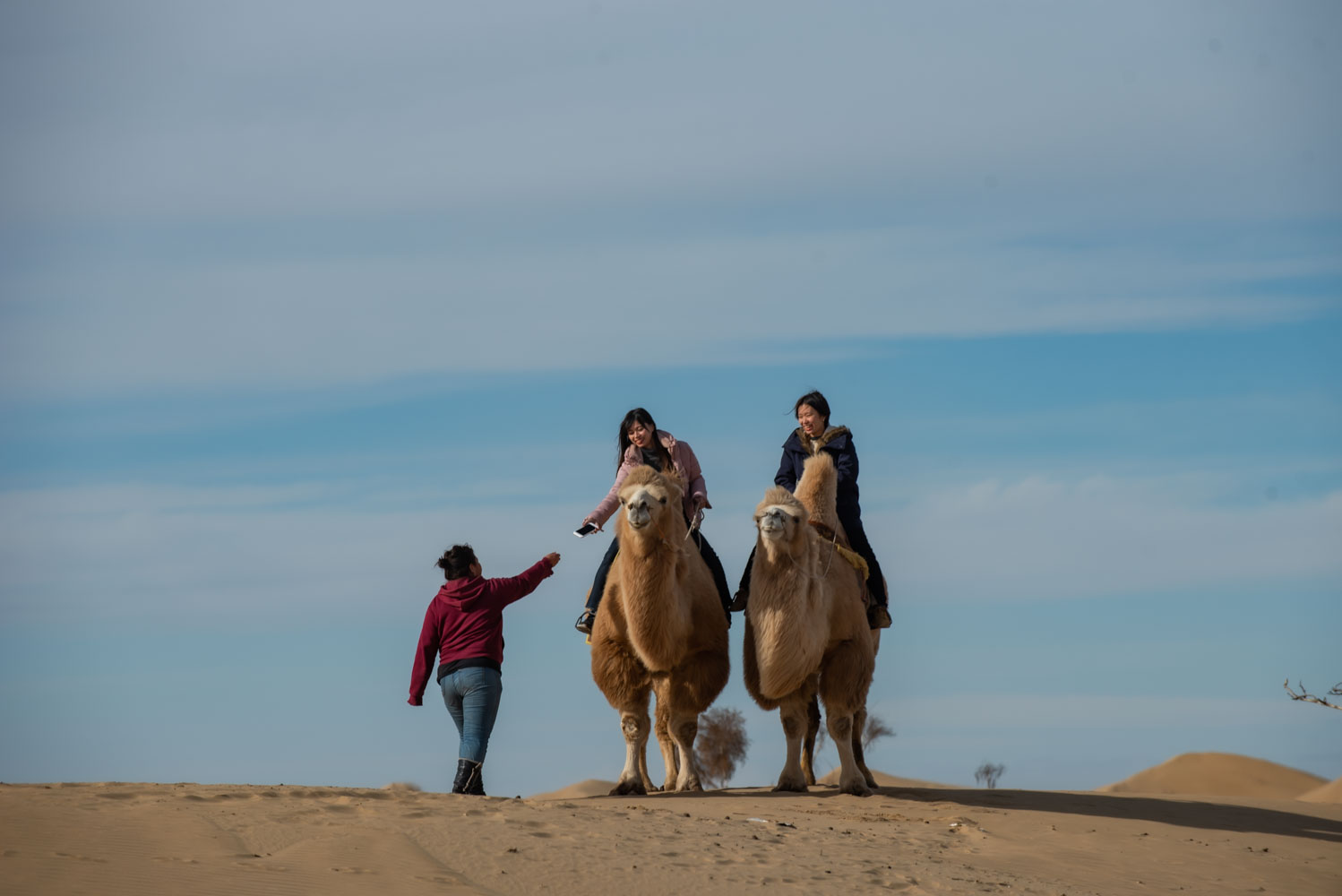
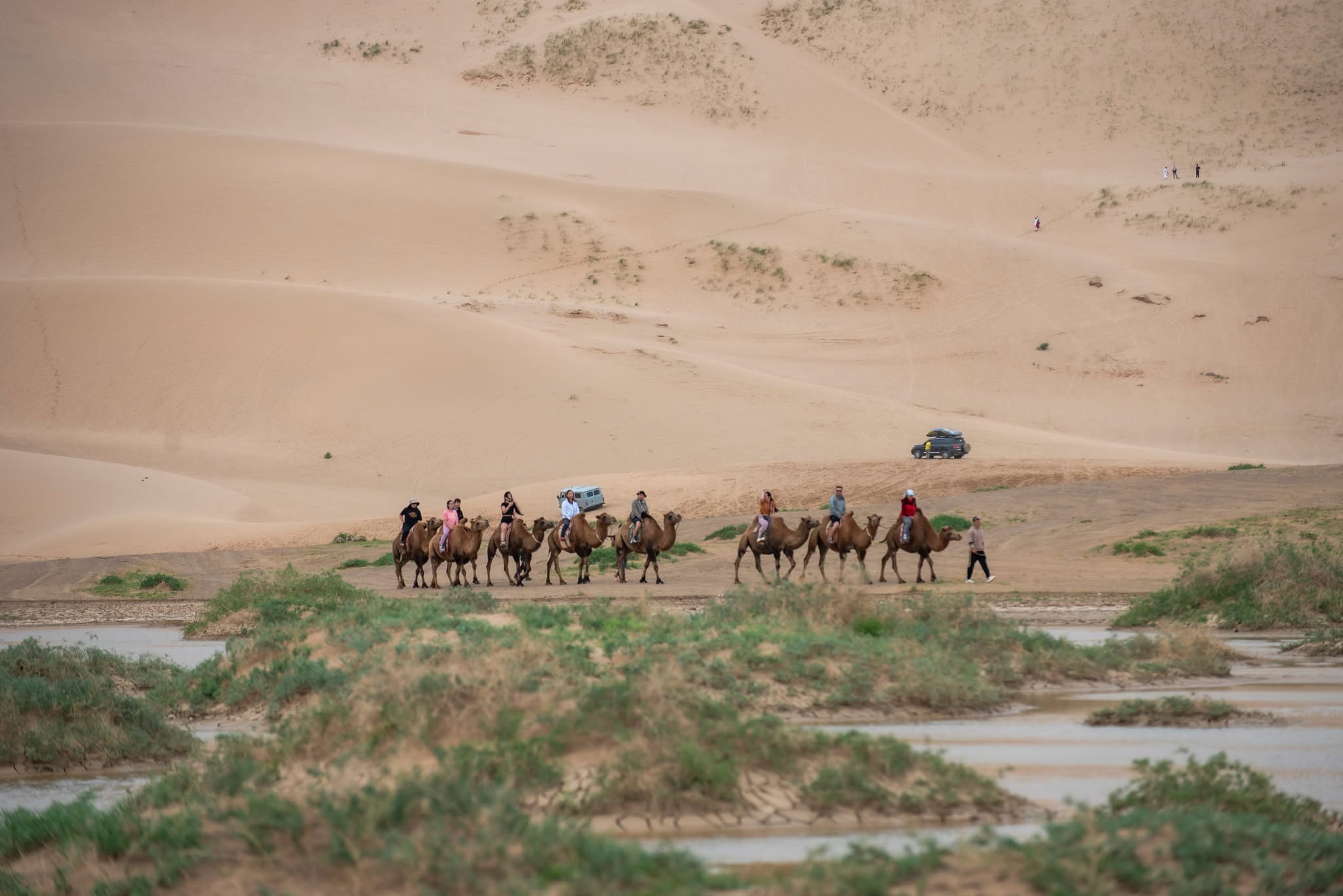
Camel riding is another unmissable experience. The Gobi is home to two-humped Bactrian camels; riding them gives you an elevated perspective and lets you experience a slice of desert nomadic life against the backdrop of the sand dunes. Because staff members lead the camels on many tours, even beginners can participate with complete confidence. You can choose options ranging from short strolls to half-day caravan experiences.
If you find yourself curious about the nomadic lifestyle encountered in the desert, reading our [Guide to Experiencing Nomadic Ger Life in Mongolia] to learn about their dwellings and daily routines will make your local conversations even more enjoyable.
Model Itineraries by Duration and Estimated Length of Stay
If you want to tour the main spots without feeling rushed, around 6 days and 7 nights is a realistic benchmark. In the Gobi, where travel distances are long, having more days allows you to savor each location at a leisurely pace. Conversely, packing your schedule too tightly will only increase the time spent inside a vehicle.
For a shortened plan, a 4-day, 5-night trip is also possible. It is relatively easy to construct an itinerary starting with a flight from Ulaanbaatar to Dalanzadgad, focusing primarily on Yolyn Am and Bayanzag. Extending your journey out to Khongoryn Els increases travel time, so your itinerary will vary depending on whether you prioritize the sand dunes or the canyon.
A standard 7-day-or-so course incorporates the "Big Three" spots—Yolyn Am, Bayanzag, and Khongoryn Els—sandwiched between travel and buffer days. Because weather or road conditions can sometimes shift arrival times, having buffer days brings peace of mind. Depending on the tour company, the order of destinations and accommodation types (ger stays or camping) differ, so be sure to check those details when comparing options.
Mongolian Mountain Summit arranges Gobi loop tours tailored to the traveler's preferences regarding duration and destination priorities. The advantage of customized arrangements is that you can decide these details through consultation, whether you prioritize sand dunes or fossils, or prefer a pace tailored to your physical stamina.
Clothing, Preparation, and Precautions Before Booking
The absolute top priority when preparing for the Gobi Desert is dealing with extreme temperature fluctuations. While daytime temperatures soar under strong sunlight, nights and early mornings get remarkably cold. Because this drop is severe, your wardrobe should be built around easy layering, and you must include a lightweight down jacket or warm outerwear.
Preparations for sand, sunlight, and dryness are also indispensable. A wide-brimmed hat, sunglasses, and a scarf or buff to cover your mouth and nose will prove invaluable on dusty travel days. Be sure to bring sunscreen, lip balm, moisturizer, and plenty of drinking water. Sturdy trekking shoes that handle sand well and are easy to walk in are ideal for footwear.
Accommodation primarily consists of gers or tents, and many locations have limited electricity and communication networks. Bringing a portable charger, backup charging options, personal medication, and wet wipes will give you peace of mind. On long drives over unpaved roads, motion sickness medicine can make the journey much more comfortable.
Before signing up, checking what is included (meals, entrance fees, guide language support) and reviewing the cancellation policy will help you avoid trouble. For those with anxiety about language barriers, the availability of English or supported language assistance serves as a major deciding factor when comparing options.
Once a tour style and course matching your physical stamina come into view, your next step is to write down your preferred dates and priority spots, and consult with a tour operator. Deciding on a single main focus—whether you want to climb the sand dunes or trace the history of fossils—will instantly clarify the ideal Gobi Desert tour shape for you.
Frequently Asked Questions
When is the best season for a Mongolian Gobi Desert tour? From June to September is the core season. Summers feature hot days and cool nights, making layering essential. September offers more settled temperatures, making travel relatively comfortable.
How many days are needed for a Gobi Desert tour? Around 6 days and 7 nights is a good benchmark to tour the main spots comfortably. While you can cover the route in 4 days and 5 nights by packing your schedule tightly, it will result in extended travel times.
Is camel riding okay for beginners? Most tours incorporate the experience of riding two-humped Bactrian camels with staff members leading them by the rein, allowing even beginners to participate with confidence. Content can range from short strolls to half-day excursions.
What should I watch out for regarding clothing on a Gobi Desert tour? Because temperature swings are drastic, layering clothes that are easy to put on and take off is the golden rule. Bringing a hat, sunglasses, a sand scarf, and comfortable walking shoes will ensure a pleasant experience.