
Suitable Clothing and Preparation for Horseback Riding
The comfort and safety of a horseback riding trek depend heavily on your attire and preparation.
Basic Clothing & Gear
-
Long Pants: Essential for preventing skin chafing against the saddle. (Avoid jeans, as the stiff fabric can cause friction; flexible trekking pants are recommended.)
-
Footwear: To prevent your feet from slipping through or catching in the stirrups, choose sturdy trekking shoes or boots with a slight heel. (Shorts and sandals are dangerous and should be avoided.)
-
Gloves: Riding gloves protect your palms from friction and soreness caused by holding the reins.
Temperature Swings & Sun Protection
Mongolia experiences drastic temperature fluctuations between day and night, with mountain areas getting cold even in summer. Building your wardrobe around easy layering and adding a lightweight insulated jacket will keep you comfortable. Additionally, because shade is scarce on the open steppe, sun protection—such as a hat, sunglasses, and sunscreen—is directly linked to maintaining your stamina and health.
Recommended Essentials
Keep your belongings minimal so your hands remain free. Pack your items in a small daypack or a bag that can be securely fastened to the saddle:
-
Water and Trail Snacks: Long hours of riding consume energy faster than expected.
-
Lip Balm and Moisturizer: Essential for protection against dry winds and high UV.
-
Personal Medication and Bandages: Useful for treating chafing or minor cuts.
-
Small Daypack or Saddle Bag: To keep your essential gear secure and easily accessible.
Physical Condition & Warm-Up
First-time riders use muscles that are rarely engaged in daily life—especially around the inner thighs and lower back—making soreness common the next day. Taking a light walk or doing gentle stretches before setting off will help loosen your muscles and significantly reduce fatigue.
Why Beginners Can Ride with Confidence: Our Support System
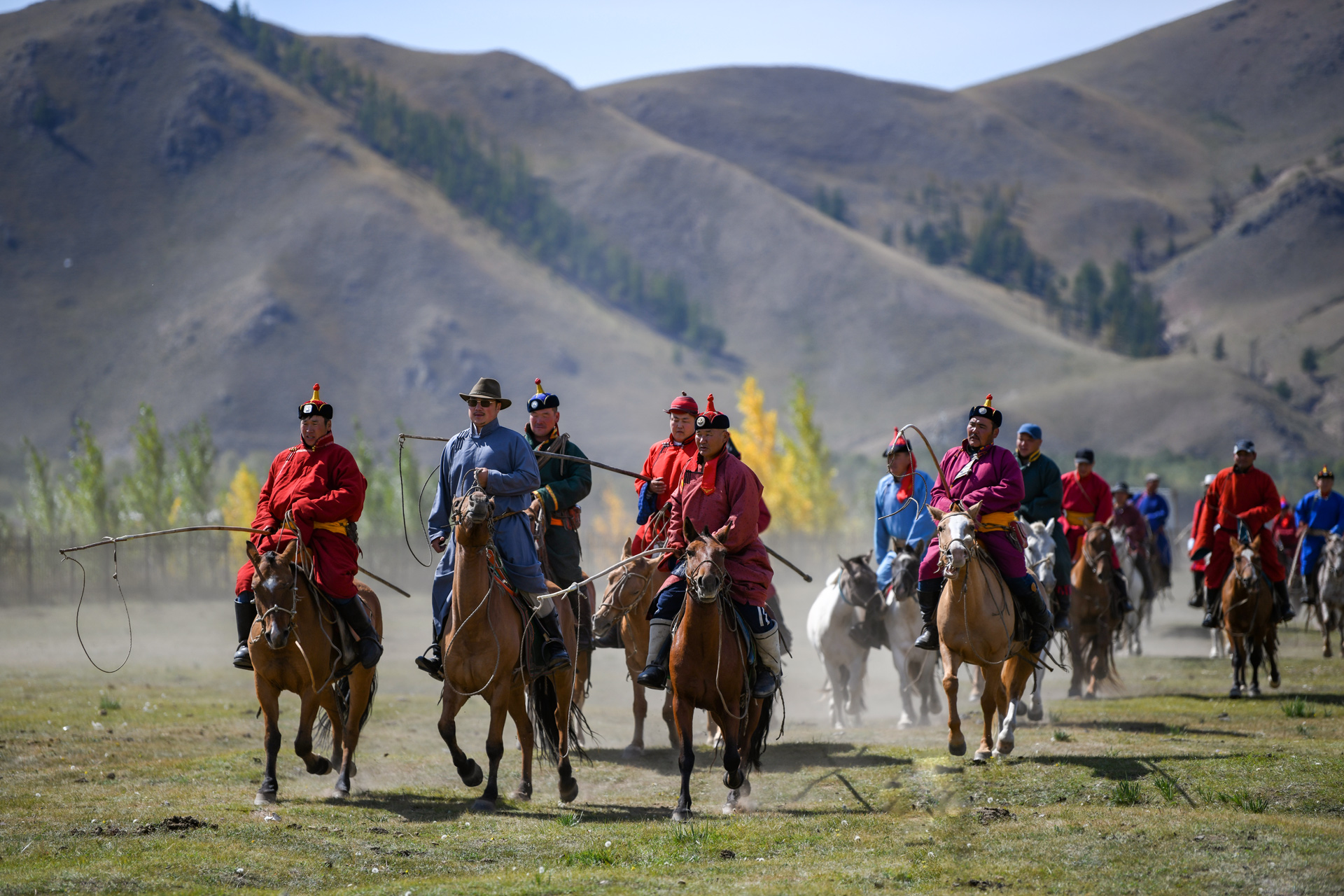
Mongolian horses are relatively small, standing between 120 to 135 cm in height and weighing between 267 to 370 kg, making them one of the oldest native breeds in the world. Because of their lower stature, mounting and dismounting is remarkably easy, and the potential impact height in the event of a fall is significantly reduced. Their gentle temperament makes them an ideal choice for first-time riders.
Whether you can ride with peace of mind depends not only on the horse’s nature, but also on the strength of the support system. Reliable tours standardly include the following safety measures:
-
Experienced Local Guides: Ride alongside you, keeping a watchful eye at all times.
-
Thoughtful Horse Matching: Calm, dependable horses are carefully selected and assigned based on each participant's physical build and experience level.
-
Gradual Pace Adjustment: Journeys begin at a relaxed walking pace, only increasing speed or distance once you feel fully comfortable.
-
Pre-Ride Safety Orientation: Complete guidance on helmet usage, proper rein control, and clear stopping signals before setting off.
At Mongoliatravel, we offer full consultation support in English, matching beginners with gentle horses and providing clear, step-by-step instruction on basic riding techniques. Because any lingering concerns can be resolved before departure, even absolute beginners can approach their horseback adventure with total confidence.
If you are interested in nomadic culture itself, learning about daily routines and dining at ger accommodations in advance will help you visualize your entire journey—allowing you to fully enjoy every moment both on and off the horse.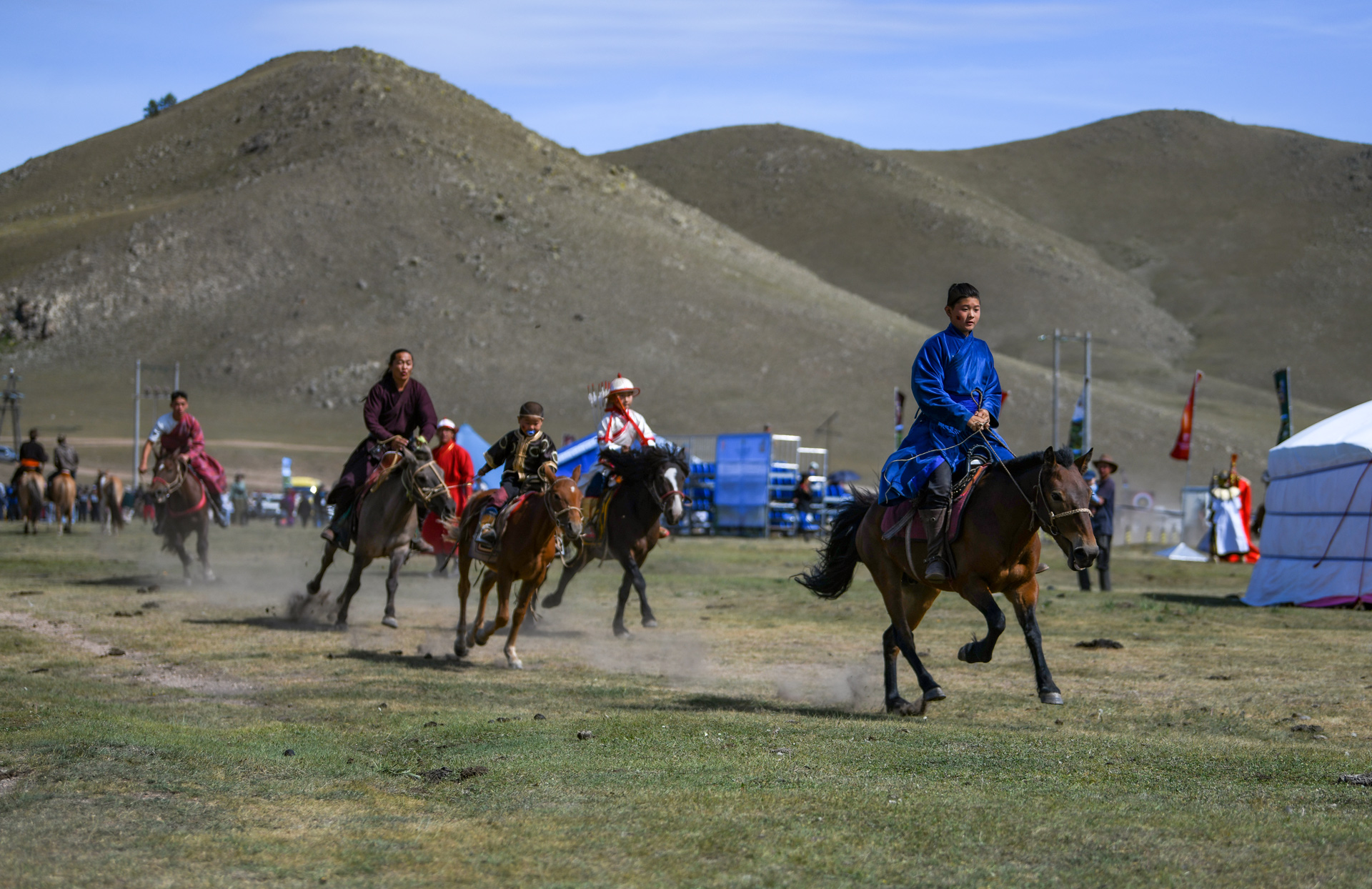
Model Itineraries for Exploring Steppes and Mountains on Horseback
Beginner-friendly horseback treks are built around a manageable 2 to 4 hours of riding per day over comfortable distances. Because the terrain reshapes the nature of your ride, picking your destination according to your goals is the most direct path. The open steppes are gentle and easy to navigate, whereas mountain routes offer breathtaking vistas that require a bit more physical stamina.
Half-Day Steppe Itinerary
A classic half-day steppe route guides you across gentle, rolling hills near the capital, pausing along the way to visit a nomadic ger for local tea and traditional dairy products. Even if you are completely new to riding, you can comfortably enjoy the journey at a relaxed walking pace.
Multi-Day Mountain Expedition
Multi-day mountain itineraries wind through valleys and over high mountain passes, combining ger stays or wilderness camping to deliver a dramatic, ever-changing landscape. As elevation increases and temperature drops sharply between morning and evening, these routes require moderate physical fitness and solid warm gear. Regions such as the Altai Mountains in western Mongolia or the expanses of the Gobi are tailored for these authentic, expedition-style journeys. For regional highlights, our [Complete Guide to Gobi Desert Tours and Highlights] serves as an excellent reference
for mapping out your route.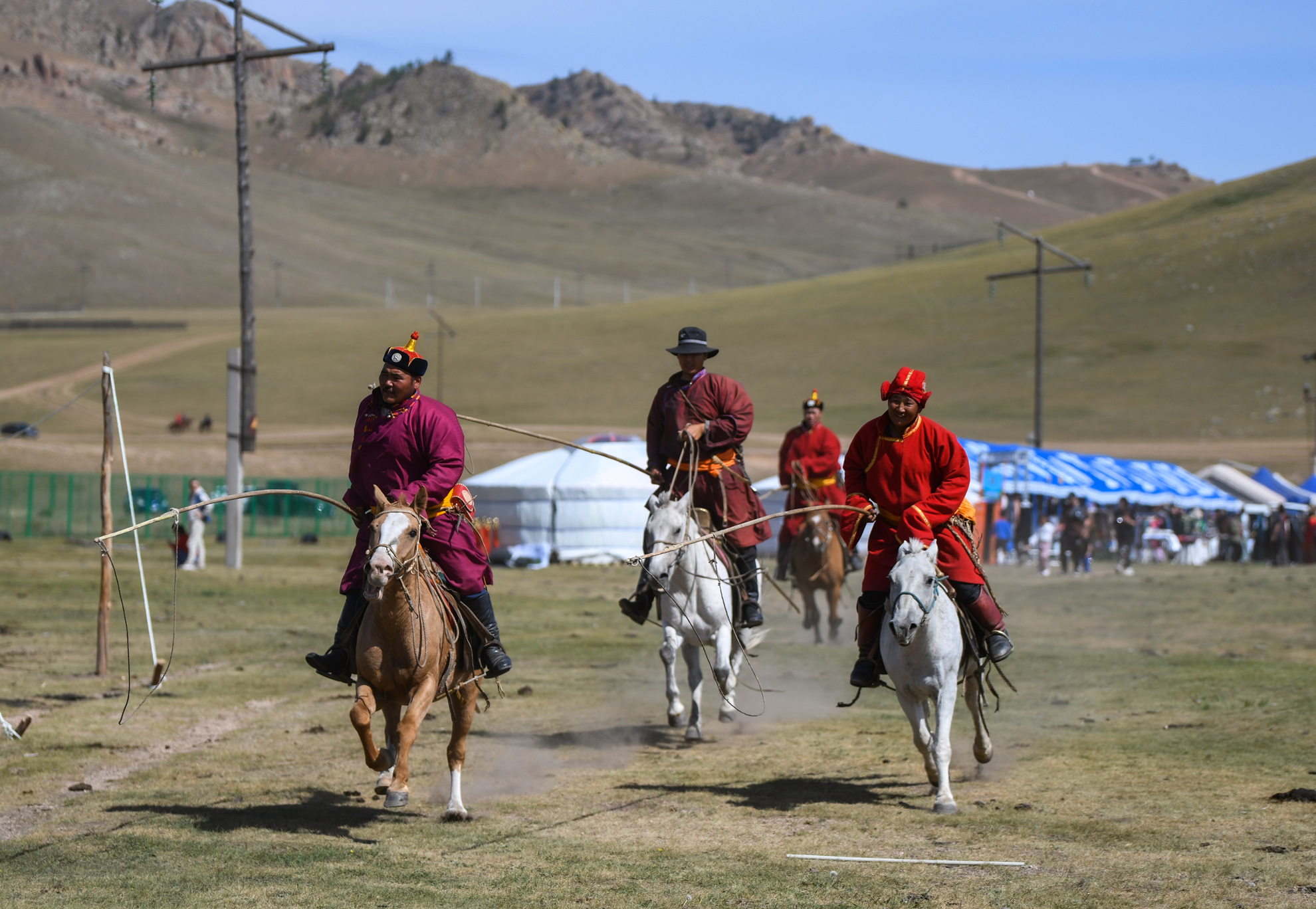
Temperature Swings & Sun Protection
Mongolia experiences drastic temperature fluctuations between day and night, with mountain areas getting cold even in summer. Building your wardrobe around easy layering and adding a lightweight insulated jacket will keep you comfortable. Additionally, because shade is scarce on the open steppe, sun protection—such as a hat, sunglasses, and sunscreen—is directly linked to maintaining your stamina and health.
Recommended Essentials
Keep your belongings minimal so your hands remain free. Pack your items in a small daypack or a bag that can be securely fastened to the saddle:
-
Water and Trail Snacks: Long hours of riding consume energy faster than expected.
-
Lip Balm and Moisturizer: Essential for protection against dry winds and harsh sunlight.
-
Personal Medication and Bandages: Useful for treating chafing or minor cuts.
-
Small Daypack or Saddle Bag: To keep your essential gear secure and easily accessible.
Physical Condition & Warm-Up
First-time riders use muscles that are rarely engaged in daily life—especially around the inner thighs and lower back—making soreness common the next day. Taking a light walk or doing gentle stretches before setting off will help loosen your muscles and significantly reduce fatigue.
Tips and Safety Precautions for a Safe Experience
The golden rule for a safe and enjoyable trek is avoiding sudden actions that startle the horses and following your guide’s instructions. Horses are sensitive, cautious animals that react quickly to sudden movements and loud noises. Avoid approaching a horse abruptly from behind, shouting, or suddenly holding up a smartphone in front of them.
While in the saddle, maintain a posture with a straight back, heels down, and a gentle grip on the reins without pulling too tightly. On steep downhills or muddy patches, your guide will slow the pace; stay relaxed and trust the horse. Maintaining a safe distance from the horse ahead of you makes it much easier to react if they stop or change direction suddenly.
Be mindful of sudden weather shifts as well. On the open steppes or in mountain passes, clear skies can turn to rain or high winds within minutes. While Mongolia’s travel infrastructure for international visitors has continued to improve—making trips smoother and more accessible—self-care in the wilderness remains essential. Don't push past your limits, and notify your guide as soon as you begin feeling fatigued.
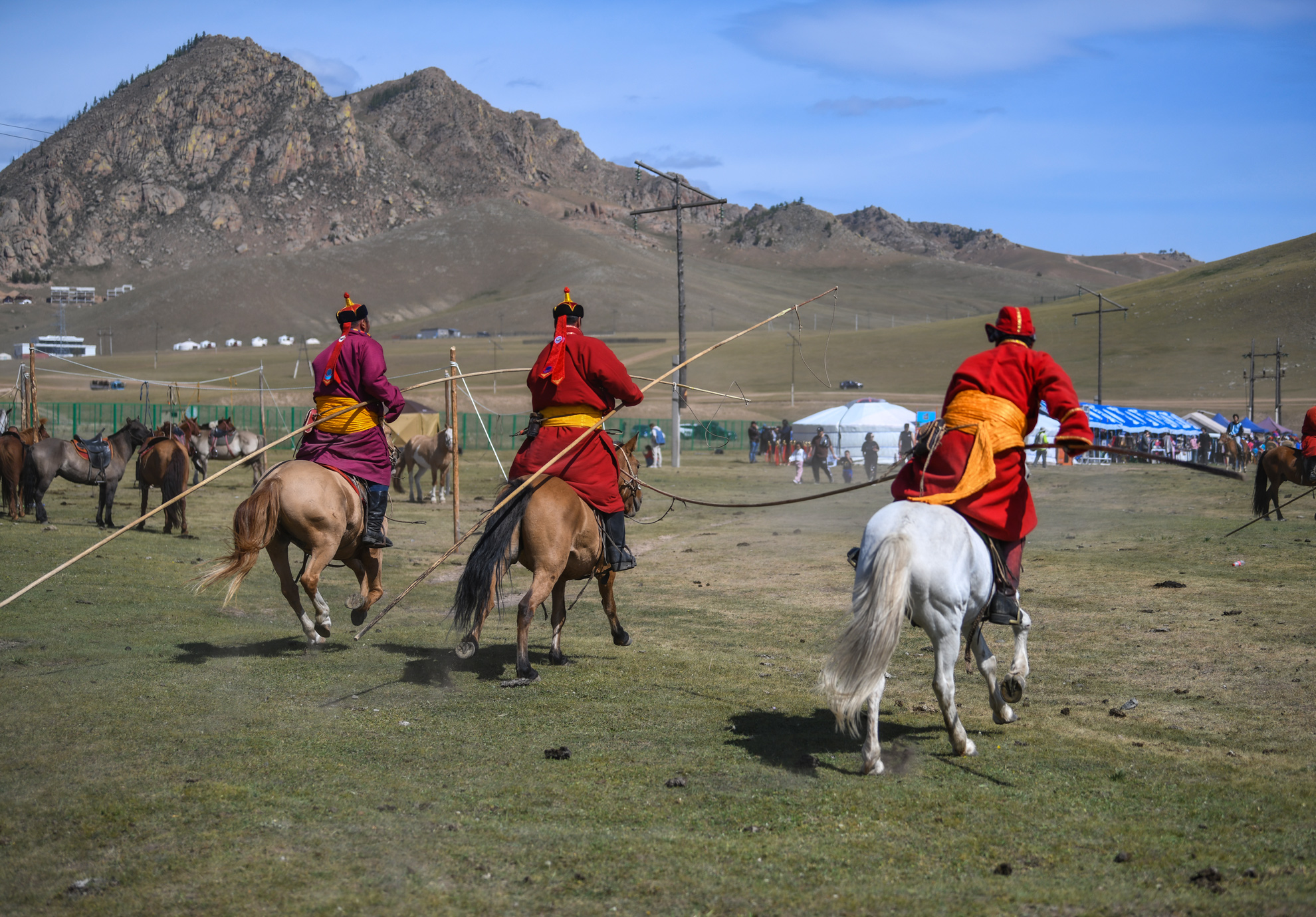
Once you become comfortable around horses, expanding your horizons to new destinations is one of the greatest pleasures of travel. Start by defining your target region and estimated travel dates, then reach out for a consultation with a local specialist like Mongolian Mountain Summit, offering English-language support. Taking that first gentle step alongside a calm horse serves as your gateway to experiencing the vast landscapes of Mongolia firsthand.
Frequently Asked Questions
Can complete beginners participate in a horseback riding trek in Mongolia? Yes, absolutely. Mongolian native horses are small in stature and gentle in temperament. Experienced local guides ride alongside you and teach you everything from holding the reins to steering. Because tours begin at a relaxed walking pace to let you get accustomed to the saddle, absolute beginners can join without difficulty.
How many hours a day do you spend on horseback? For beginner-friendly itineraries, a realistic benchmark is around 2 to 4 hours per day. Rides incorporate breaks and dismounting along the way, adjusting the total distance according to your physical stamina. Once you build confidence, half-day or full-day riding options are also available.
When is the best season for a horseback riding trek? June to September is the prime season, when the open steppes are blanketed in lush green and weather conditions remain stable. July coincides with the Naadam Festival, offering a unique opportunity to witness traditional horse racing. Because mountain regions cool down significantly in the mornings and evenings, bringing insulated outerwear is essential.
What kind of clothing should I wear for horseback riding? Long pants, shoes with a slight heel, a hat, and sunscreen are basic requirements. Sturdy, flexible pants prevent skin chafing against the saddle, while layering allows you to adapt to sharp temperature swings. Wearing riding gloves helps prevent soreness and blisters from handling the reins.