
Altai Tavan Bogd National Park Ultimate Guide: Glaciers and Sacred Highest Peaks
Key Points
-
Home to Mongolia's Highest Peaks: Altai Tavan Bogd National Park forms the core of the Altai Mountains, encompassing five sacred peaks, including Khüiten Peak (4,374 m), the highest point in Mongolia.
-
Mongolia’s Longest Glacier: The Potanin Glacier stretches approximately 14 km, serving as the main base and trailhead for mountaineering and trekking expeditions.
-
Kazakh Nomadic Heritage: The foot of the mountains is home to Kazakh nomadic communities, offering unique cultural experiences such as golden eagle hunting traditions and authentic ger homestays.
-
Gateway City: The primary gateway is Ölgii, the provincial capital of Bayan-Ölgii Province, accessible via domestic flights from Ulaanbaatar.
-
Best Travel Season: June to September is the optimal period. Proper high-altitude gear, cold-weather clothing, and acclimatization planning are essential.
Overview
Situated in the westernmost reach of Mongolia along the rugged Altai Mountain range, Altai Tavan Bogd National Park is a remote wilderness sanctuary encompassing Mount Khüiten (4,374 m)—Mongolia's highest peak—and the massive Potanin Glacier. Bordering China and Russia at a tri-border point, it represents one of Mongolia's premier alpine regions, where ancient glaciers, eternal snowfields, and rich Kazakh nomadic traditions converge.
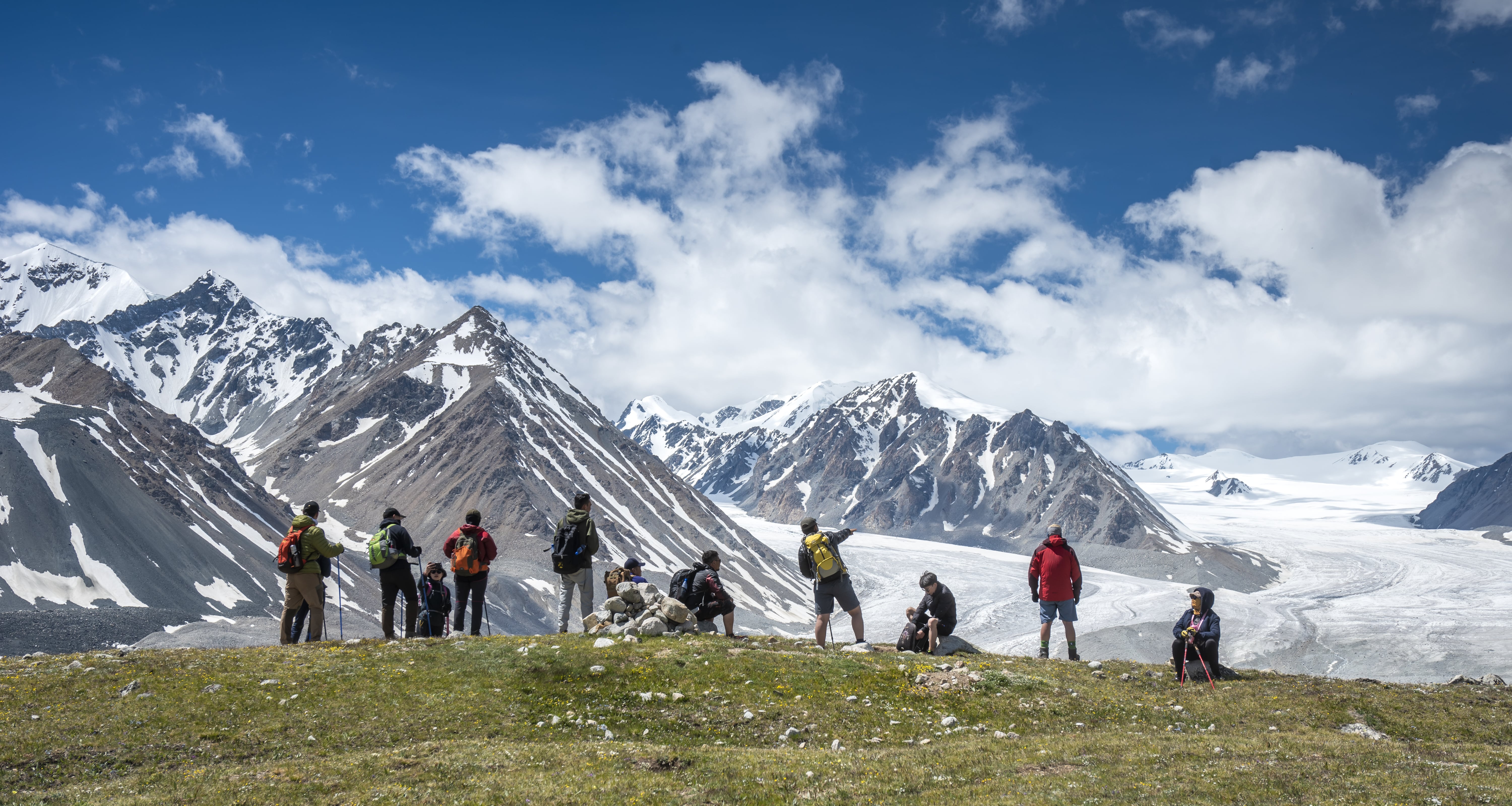
What is Altai Tavan Bogd National Park?
"Tavan Bogd" translates to "Five Sacred Peaks" in Mongolian. As the name suggests, the heart of the national park features a range of five majestic summits: Khüiten Peak ("Cold Peak"), Nairamdal Peak ("Friendship Peak"), Malchin Peak ("Herder Peak"), Bürged Peak ("Eagle Peak"), and Ölgii Peak ("Motherland Peak"). The highest among them, Khüiten Peak, stands at an updated official elevation of 4,351 meters—truly earning its title as the "Roof of Mongolia".
This mountain massif rises at the tri-border junction where Mongolia, China, and Russia meet, surrounded by immense snowfields and ancient glaciers. Historically known as the Potanin Glacier, Mongolia’s longest glacier (stretching approximately 14 km) has been officially renamed the Khüiten Glacier (Khuitnii Mösön Gol) under updated national geographic naming standards.
As the most heavily glaciated area on the Mongolian side of the Altai Mountains, it is the country's premier destination for high-altitude mountaineering and snowy peak expeditions. For trekkers, it offers a rare opportunity to explore dramatic glacial tongues, alpine lakes, and expansive mountain valleys up close.
Established in the late 1990s, the national park is a relatively young protected area. Its pristine, untouched nature and rich nomadic heritage remain beautifully preserved today, thanks to this conservation framework and its remote location far from major urban centers.
.jpeg)
The Khüiten Glacier and Trekking Highlights
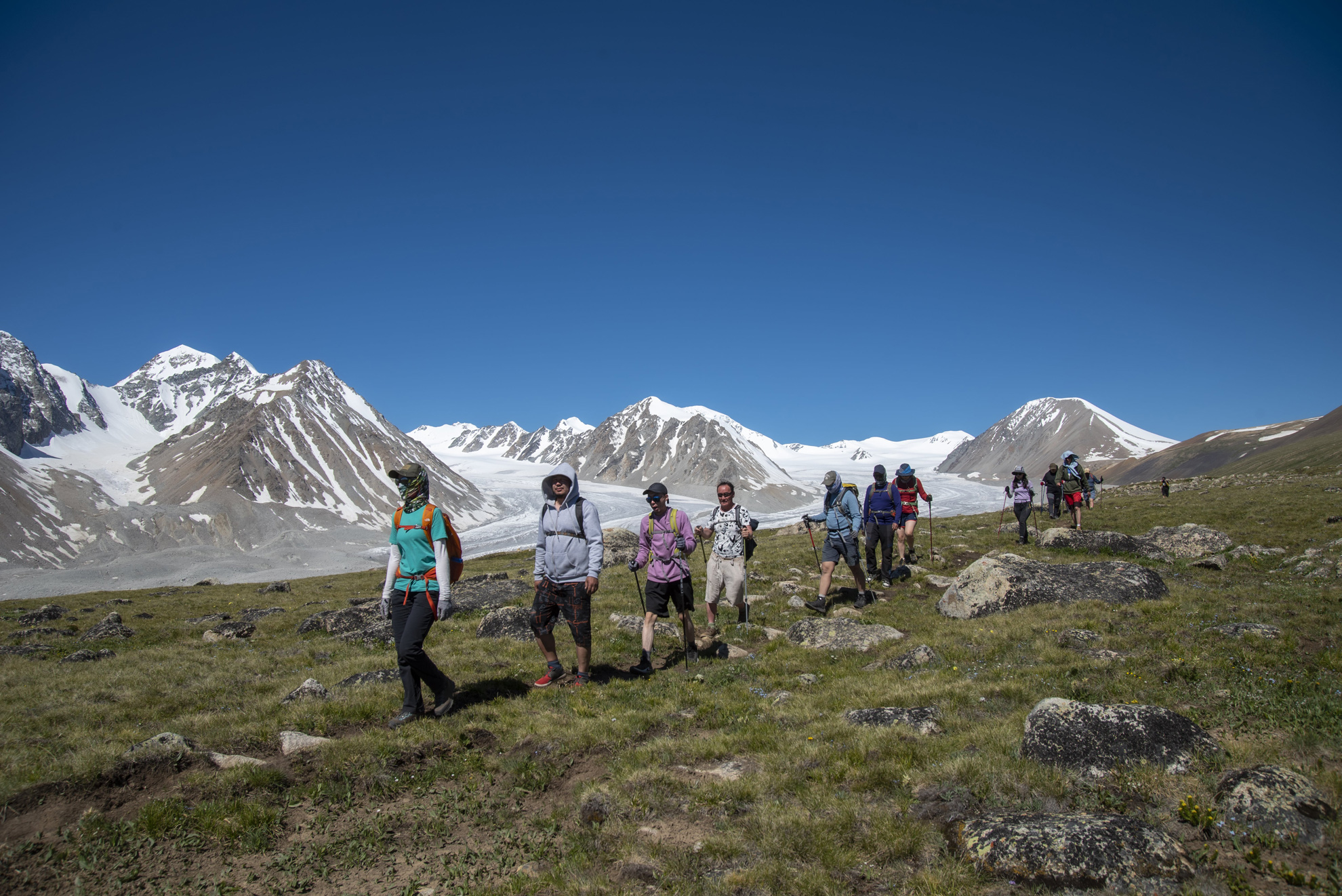
The park's ultimate centerpiece is Mongolia's longest glacier, officially known as the Khüiten Glacier (Khuitnii Mösön Gol, historically referred to as the Potanin Glacier). Stretching approximately 14 km, it was originally named in honor of the Russian explorer Grigory Potanin. The glacier descends gracefully from the base of Khüiten Peak, terminating in massive, rugged moraines. Taking in the panoramic vista of this sweeping glacier is undeniably the core experience of any journey to Tavan Bogd.
Recent scientific observations indicate that the Khüiten Glacier has been steadily retreating. Over a six-year period from September 2003 to September 2009, it retreated by roughly 90 meters, averaging an annual recession rate of about 15 meters. Like glaciers worldwide, the quiet impacts of global climate change are visibly unfolding here. The opportunity to witness these majestic glacial landscapes firsthand is a precious, irreplaceable experience.
A classic trekking route leads from the national park's base camp up to a panoramic viewpoint overlooking the glacier. Depending on your physical stamina and schedule, itineraries often include an optional ascent of Malchin Peak. Because Malchin Peak can be scaled without technical glacier equipment or climbing gear, even those without prior snow-mountain experience can reach the summit accompanied by an experienced guide—rewarding you with breathtaking, sweeping views of Khüiten Peak and the tri-border intersection. For a broader overview of alpine expeditions in the country, please also refer to our [Complete Guide to Mongolia Mountaineering Tours].
Kazakh Nomadic Culture and Heritage
The foot of Tavan Bogd represents a distinct cultural realm within Mongolia. Bayan-Ölgii Province, where the national park is located, is predominantly inhabited by the Kazakh people, making it the only region in Mongolia deeply rooted in Kazakh language, Islamic heritage, and unique nomadic traditions distinct from the Mongol-majority areas of central Mongolia.
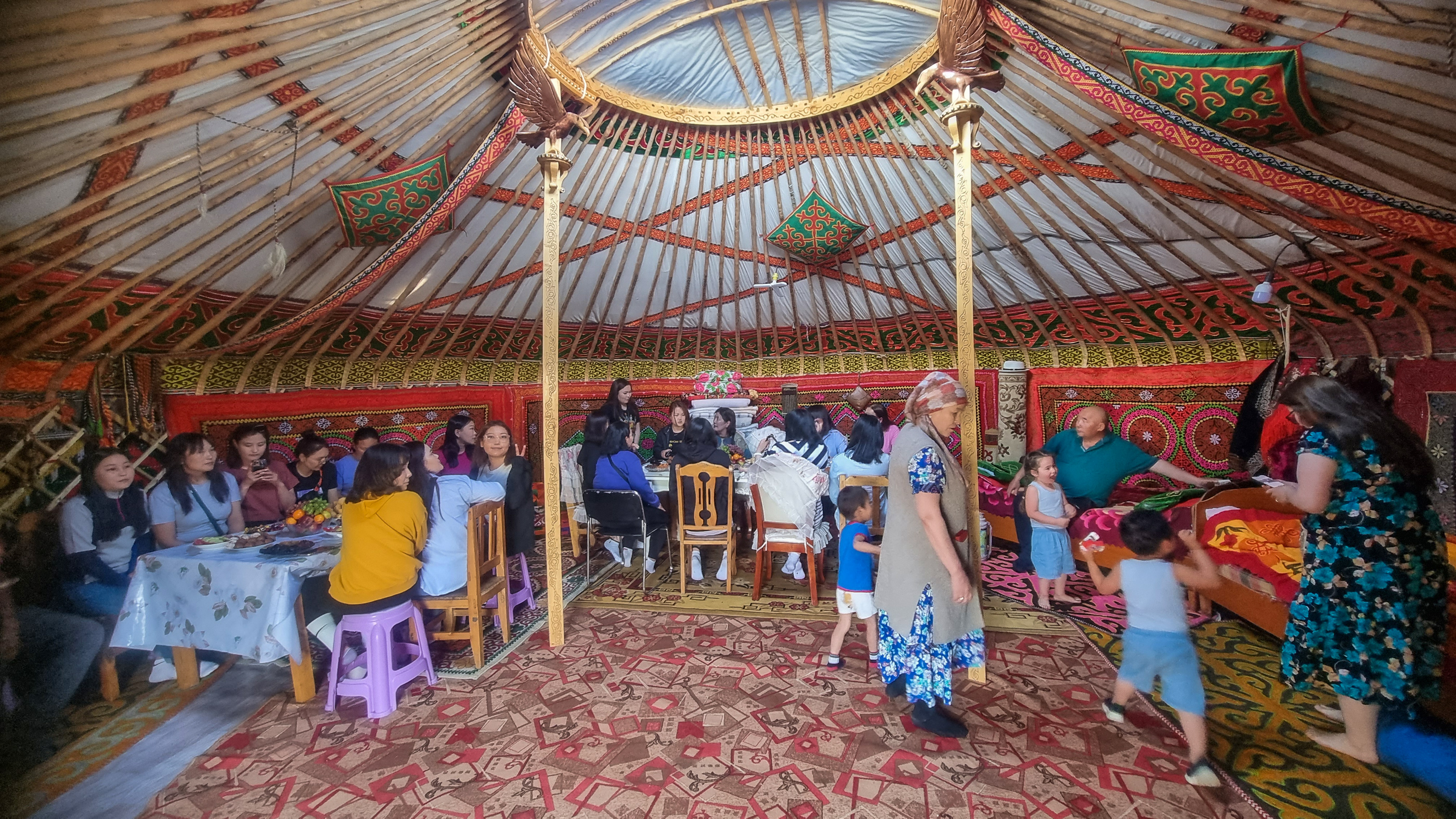
The Kazakh nomads of this region are world-renowned for their ancient practice of eagle hunting—training magnificent Golden Eagles to hunt foxes and hares from horseback. Every autumn, the Golden Eagle Festival is held in the region, bringing together mounted hunters and their eagles to display their incredible skills and speed. Visually striking ger interiors adorned with intricate handmade embroideries (Tus kiez) and vibrant traditional clothing create unforgettable memories for visitors.
Along the trekking routes toward the glaciers, travelers often visit summer pastures (Jailau) dotted with nomadic gers, where hosts warmly share fermented mare's milk (airag or kymyz) and traditional cheeses. It is this unique harmony of rugged alpine landscapes and genuine human warmth that defines the true charm of Bayan-Ölgii.
Expedition Base and Access Logistics
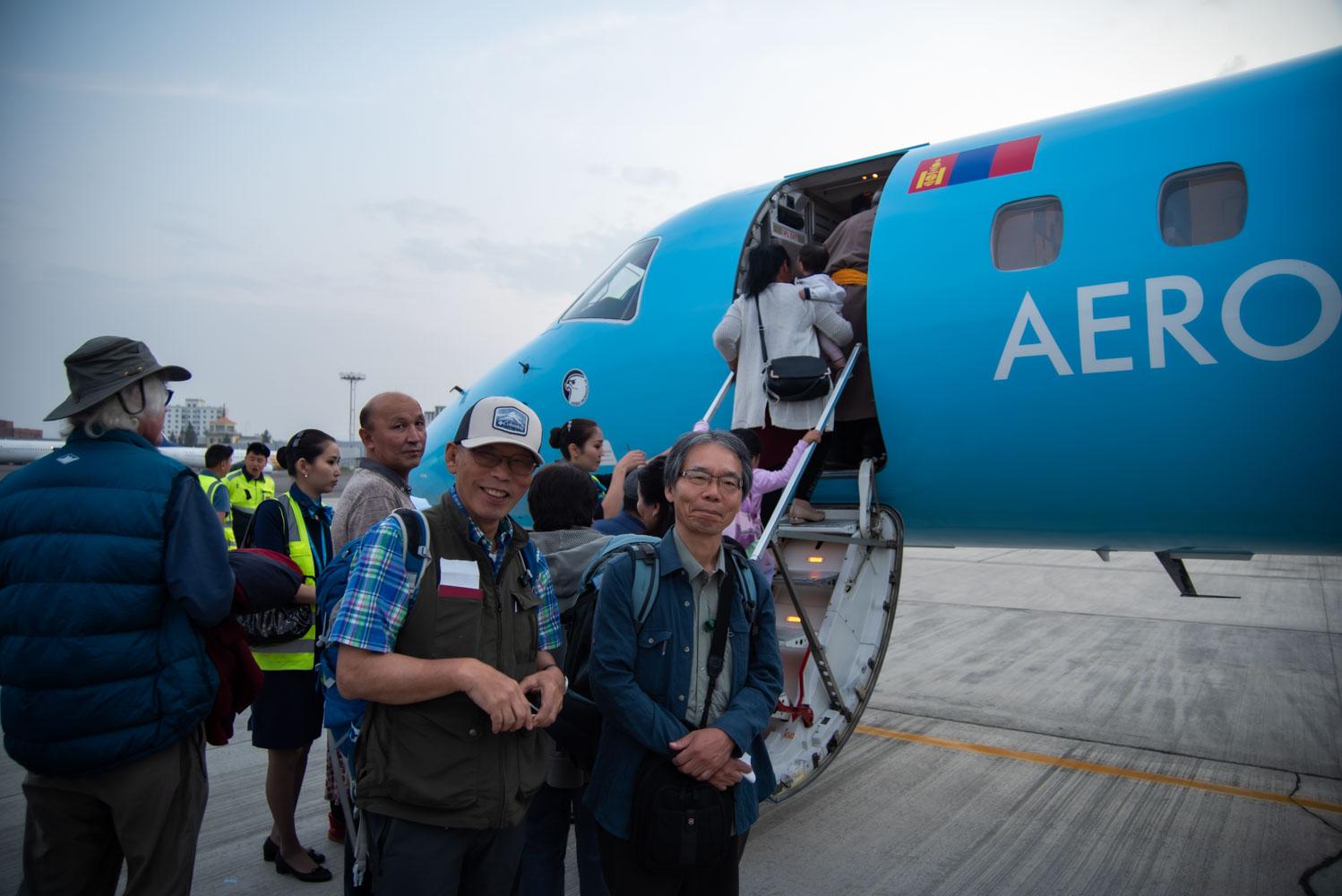
The primary gateway for this journey is Ölgii, the capital of Bayan-Ölgii Province. Domestic flights connect Ulaanbaatar to Ölgii regularly, with a flight duration of approximately 3.5 hours. While overland travel is technically possible, the immense distance requires several days of driving, making domestic flights the preferred choice for most travelers.
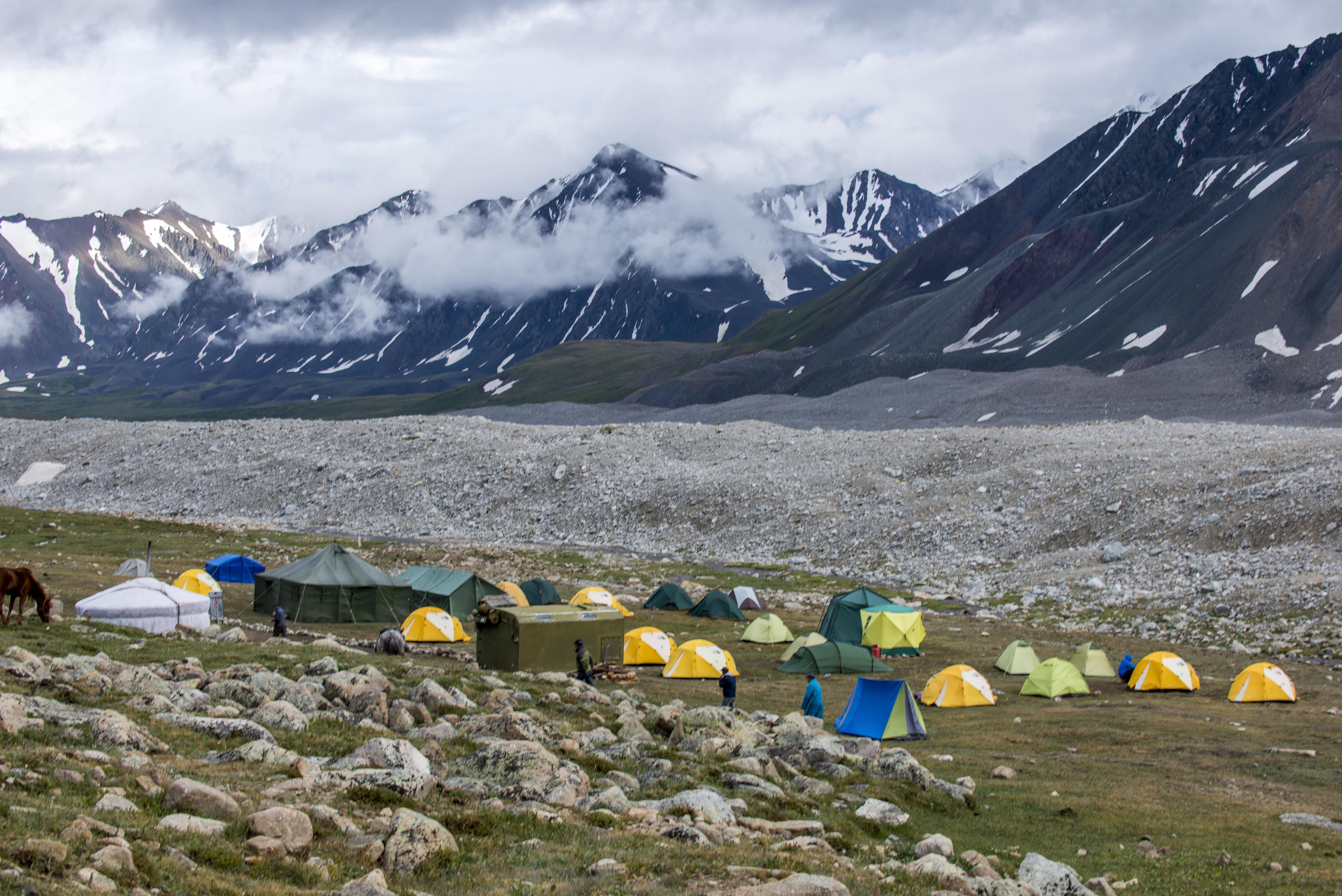
From Ölgii, travelers journey by four-wheel-drive (4WD) vehicles toward the national park gates and further onward to the trekking or mountaineering base camps. Because the route consists of unpaved, rugged dirt tracks and requires river crossings, independent travel here is exceptionally challenging. Managing heavy gear transport, proper high-altitude acclimatization, and obtaining mandatory border-zone travel permits make booking through an experienced local team essential. Using a specialized local mountain tour provider like Mongolian Mountain Summit allows you to bundle everything seamlessly—including reliable 4WD vehicles, expert guides, pack horses or camels for luggage, and full camp setup.
Beyond the base camp, expeditions proceed on foot while camping along the trail toward the glaciers and peaks. A classic alpine style involves having pack horses or camels carry your heavy gear, allowing you to hike light and enjoy the journey comfortably.
Best Time to Visit and Expedition Preparation
The ideal window to visit Altai Tavan Bogd is during the summer months from June to September. Outside this period, deep snow and extreme cold render the area inaccessible for standard travelers. July and August offer the most stable weather conditions, representing the peak season when alpine wildflowers bloom and mountain valleys turn vibrant green. If you wish to combine your trek with the famous Kazakh Golden Eagle Festival, aim for early autumn between September and early October.
Due to the high elevation, temperatures frequently drop below freezing at night, even during summer. Insulated layers, waterproof rain gear, and sturdy, broken-in hiking boots are non-negotiable essentials. Strong daytime sunlight and intense UV radiation also require reliable sun protection. Because the base camp itself rests at an altitude of around 3,000 meters, incorporating acclimatization days into your itinerary is crucial to prevent high-altitude sickness.
Sourcing food, supplies, and fuel locally in the wilderness is nearly impossible, making advance arrangements through a guided tour essential. While trekking on foot forms the core of the itinerary, incorporating horseback riding through the valleys is a great way to relieve physical strain while fully absorbing the grand landscapes.
As ancient glaciers continue to retreat year by year, planning your journey early is the best approach to witness Mongolia's highest peaks and longest glaciers firsthand. To prepare for the upcoming season, start by choosing your travel dates between June and September and mapping out a customized, guided itinerary.
Frequently Asked Questions (FAQ)
Where is Altai Tavan Bogd National Park located? It is located in Bayan-Ölgii Province at the westernmost tip of Mongolia, nestled within the Altai Mountains along the tri-border area where Mongolia, China, and Russia meet. The provincial capital, Ölgii, serves as the main gateway.
What is the elevation of Khüiten Peak? Khüiten Peak is the highest point in Mongolia, with an updated official elevation of 4,351 meters (measured via high-precision GNSS). Covered in perpetual glaciers and snowfields, reaching the summit requires technical mountaineering skills, specialized gear, and proper high-altitude preparation.
Can beginners visit Altai Tavan Bogd National Park? While scaling the summit of Khüiten Peak is strictly for experienced mountaineers, non-climbers and beginners can fully enjoy the region. Treks to base camp and panoramic viewpoints overlooking the sweeping Khüiten Glacier (historically known as the Potanin Glacier) are very accessible with the support of professional local guides and pack animals.
When is the best season to visit? The optimal period is from June to September. July and August offer the most stable weather and vibrant cultural experiences in Kazakh nomadic communities. However, because temperatures can drop below freezing even during summer nights, proper thermal outerwear and insulated gear are essential.