
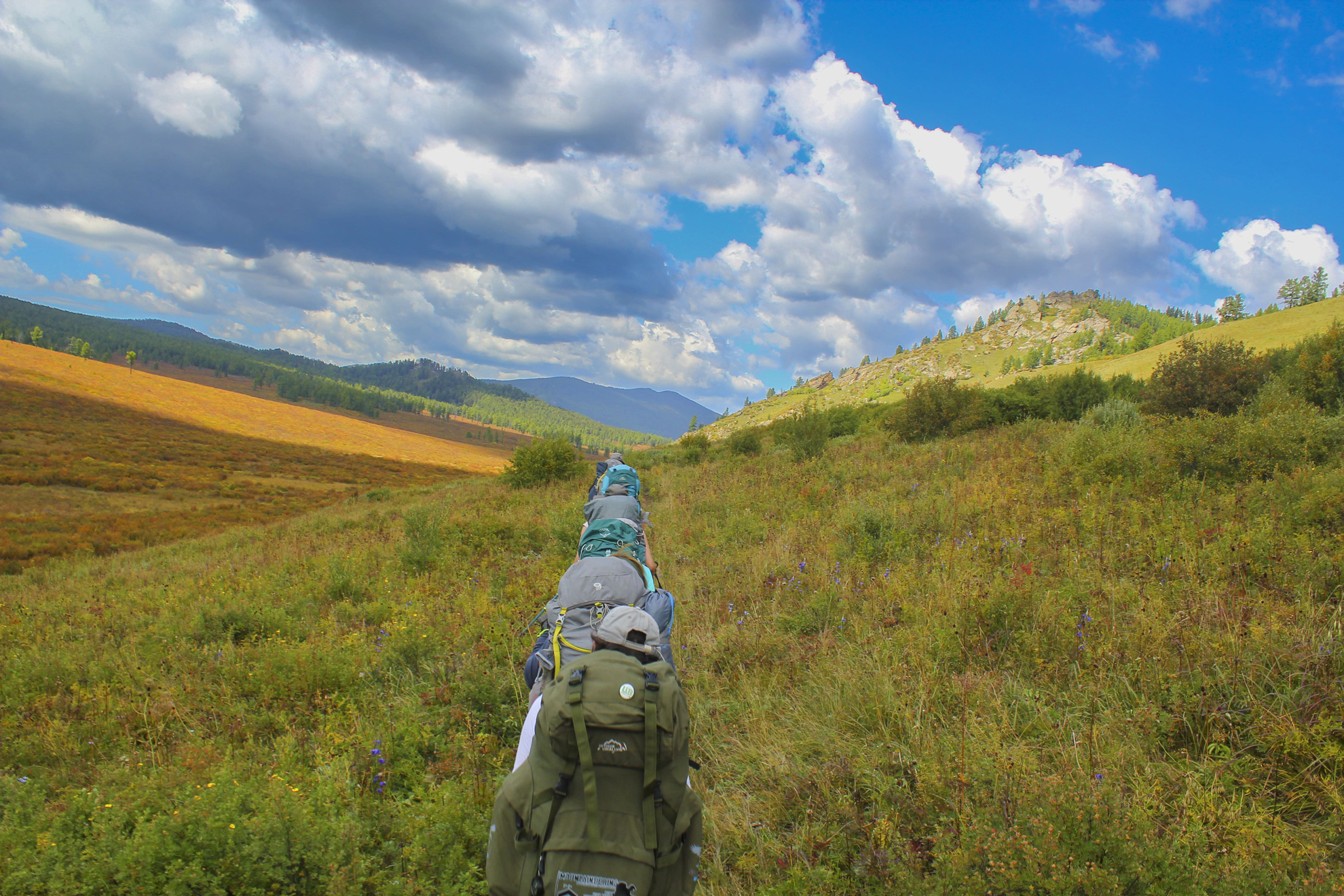
Key Points
-
The Khentii Mountains are considered the birthplace of Genghis Khan, and the area including the sacred mountain Burkhan Khaldun is registered as a UNESCO World Heritage site.
-
Located in a transition zone where Taiga forests meet Step grasslands, this area serves as the source of three major rivers: the Onon, Kherlen, and Tuul Rivers.
-
Trekking difficulty ranges widely—from relatively gentle grassland walks to long-distance traverses to the sacred mountain—allowing travelers to choose according to their fitness level.
-
The best season is during the summer from June to September, when the snow melts and rivers become easier to cross. Arranging tours with Japanese-speaking guides ensures a peace-of-mind experience.
The greatest attraction of trekking in the Khentii Mountains lies in tracing the pristine forests and grasslands—believed to be the birthplace of Genghis Khan—on your own feet. Walking through serene nature where nomads and wildlife still coexist allows you to connect with the origins of Mongolian history and spiritual faith. Unlike well-developed tourist routes, a genuine wilderness unfolds beyond trails with little sign of human presence. Heading northeast from the capital city of Ulaanbaatar, this region holds a truly special significance within the country, featuring landscapes including the sacred mountain Burkhan Khaldun that are registered as a UNESCO World Heritage site.
This article provides a step-by-step guide explaining the historical background of the mountain range, landscape features, popular routes and difficulty levels, ways to enjoy your journey, as well as access methods and the best travel seasons.
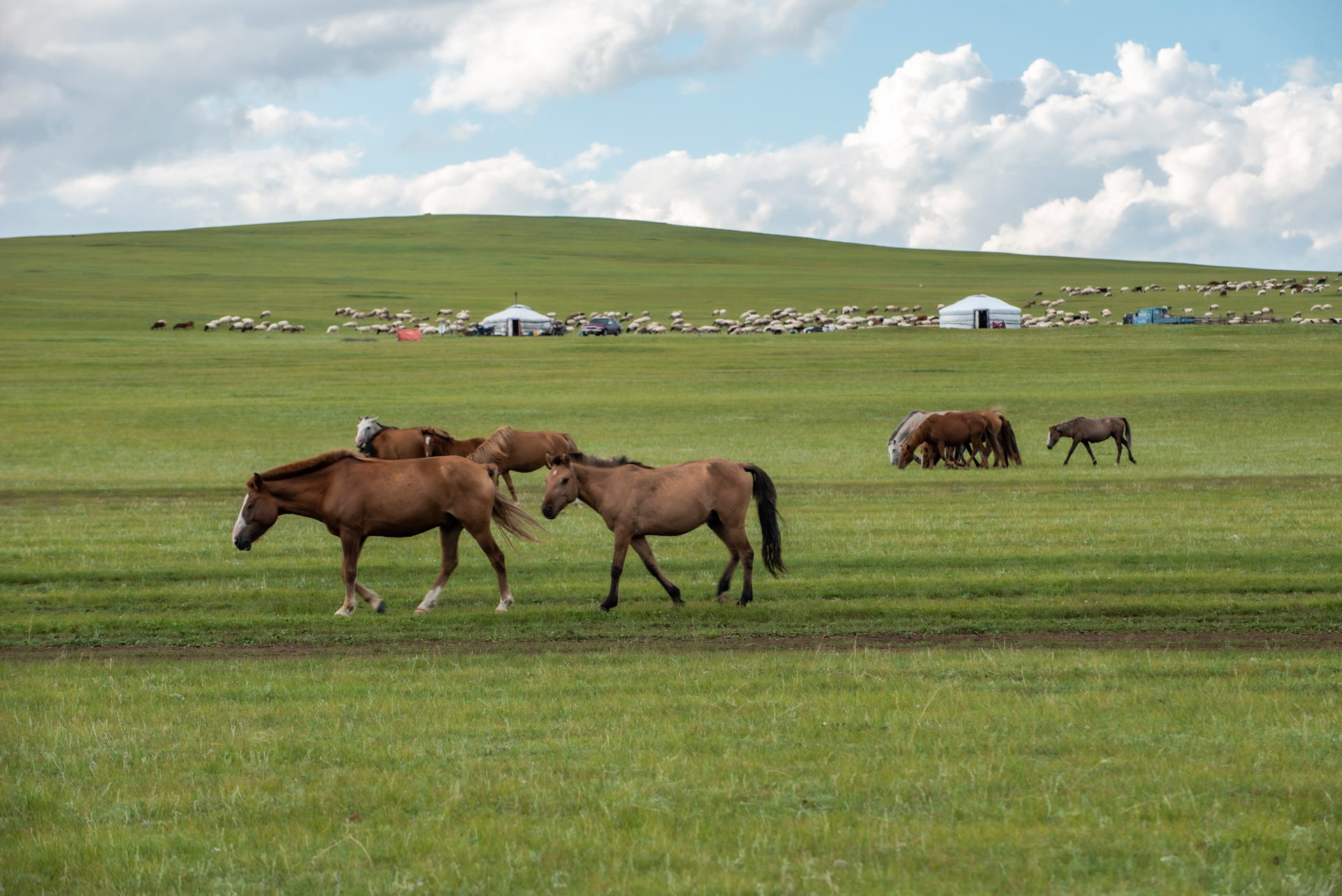
The Khentii Mountains: The Birthplace of Genghis Khan
The Khentii Mountains have long been known as the birthplace of Genghis Khan, who founded the Mongol Empire in the 13th century. The sacred mountain Burkhan Khaldun, where he spent his youth and which he later revered, is located within this range; it is also believed to be one of the candidate sites for his burial place.
The region, under the title "Great Burkhan Khaldun Mountain and its Surrounding Sacred Landscape," is designated as a UNESCO World Heritage site (UNESCO World Heritage Centre). The justification for its inscription encompasses not only its natural value but also the traditional Mongolian belief of worshiping the mountain itself. In other words, this is a land that is meant for spiritual devotion as much as it is for trekking.
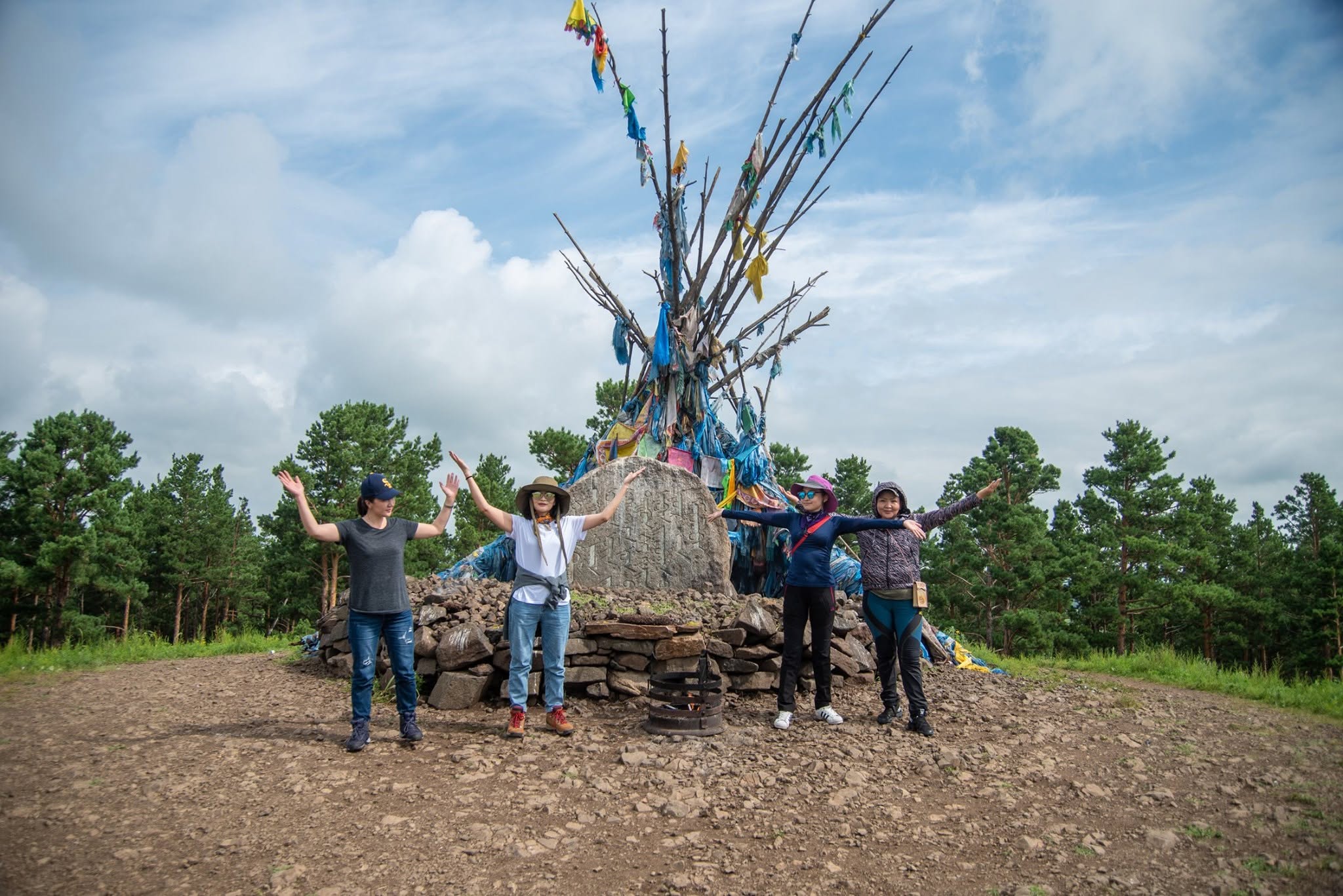
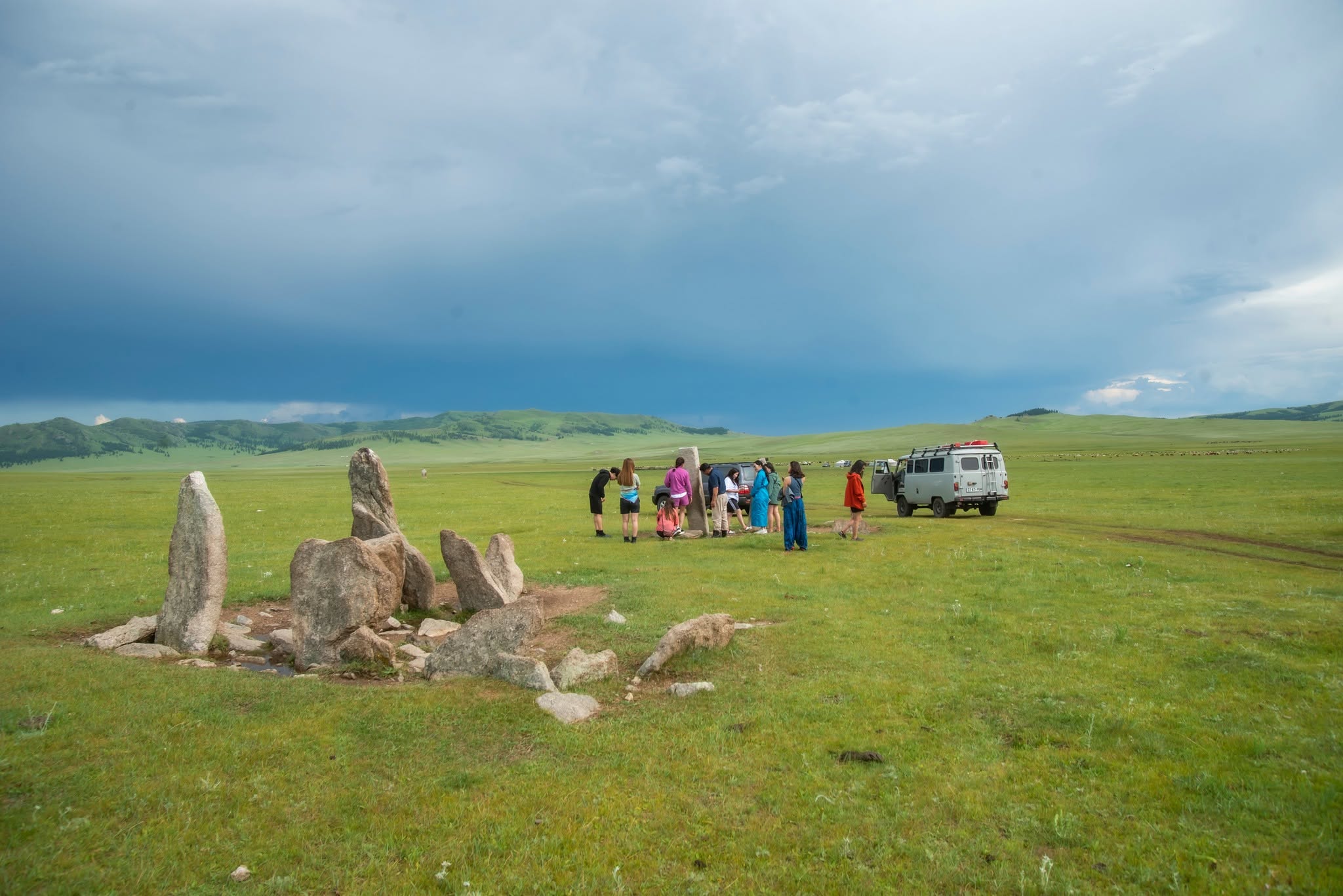
Stone mounds known as "Ovoos" are scattered across mountain peaks and passes. The custom of travelers walking around them three times clockwise and adding a stone still lives on today. Understanding these traditions adds deep meaning to every step of your trek.
Pristine Natural Landscapes of Forests and Grasslands
The essence of the Khentii Mountains' scenery lies in its transition zone, where the northern Taiga forests meet the southern Steppe grasslands. Emerging from forests of larch and birch, wide-open views unfold with rolling hills covered in waving grasslands. This contrast creates a unique hiking experience unlike any other mountain range in Mongolia.
This mountain range is also renowned as the source of three major rivers: the Onon, Kherlen, and Tuul Rivers. Flowing from these heights, they form a major watershed dividing the Arctic Ocean and Pacific Ocean drainage basins. The wetlands and wild flower fields along the crystal-clear streams are summer highlights, sustaining a rich ecosystem home to moose, wolves, and a diverse array of bird species.
This pristine wilderness, largely untouched by human activity, stands in stark contrast to the dry landscapes of the Gobi Desert. Combining this lush green mountain region with the arid sands in a single journey allows you to experience the rich diversity of Mongolia all at once.
Popular Trekking Routes and Difficulty Levels
Trekking in the Khentii Mountains is characterized by a wide range of difficulty levels. Introductory itineraries that involve walking along the edges of grasslands and forests for half a day to a full day can be enjoyed effortlessly, even by those with limited mountain climbing experience. The elevation gain is gentle, allowing hikers to easily appreciate the changing scenery.
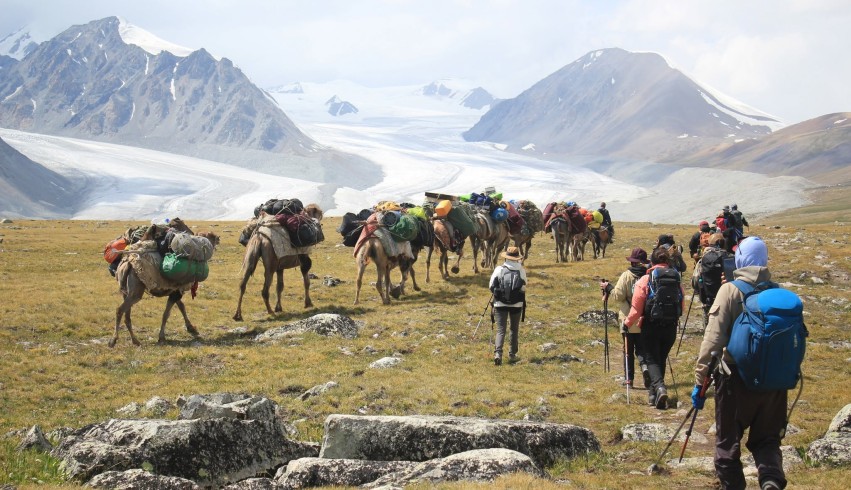
On the other hand, a traverse heading toward the sacred mountain Burkhan Khaldun involves several days of tent camping and river crossings, requiring intermediate or higher physical fitness and preparation. Since trail markers are scarce and weather conditions can change rapidly, map-reading experience or being accompanied by a local, knowledgeable guide is essential. To ensure no gear is left behind, our guide “Mongolia Travel Packing List | Trekking & Mountain Climbing Preparation” is helpful.
While high-altitude acclimatization like that needed for high peaks in the Altai Mountains is not required, long itineraries will demand extended walking hours per day. Honestly matching your physical fitness with the route's difficulty is the first step toward a safe journey.
How to Enjoy the Journey: Tracing History and Legends
A journey through the Khentii Mountains does not end with simply admiring the scenery. Visiting the settings of legends associated with Genghis Khan one by one and experiencing layers of history firsthand is a unique pleasure of this land.
Standing on a hill with a distant view of the sacred mountain, being served tea by a nomadic family, and praying for a safe journey at an Ovoo—such experiences bring a sense of realism that museum exhibits cannot match. Staying in a nomad's ger allows you to feel connected to the stage of history while immersing yourself in their daily life.
If you are designing a journey centered on history, having a guide who can explain local folklore and sacred etiquette makes a significant difference. At Mongoliatravel, we arrange tours guided in Japanese that cover both historical backgrounds and nomadic culture, crafting trips that connect scattered historic sites into a single narrative.
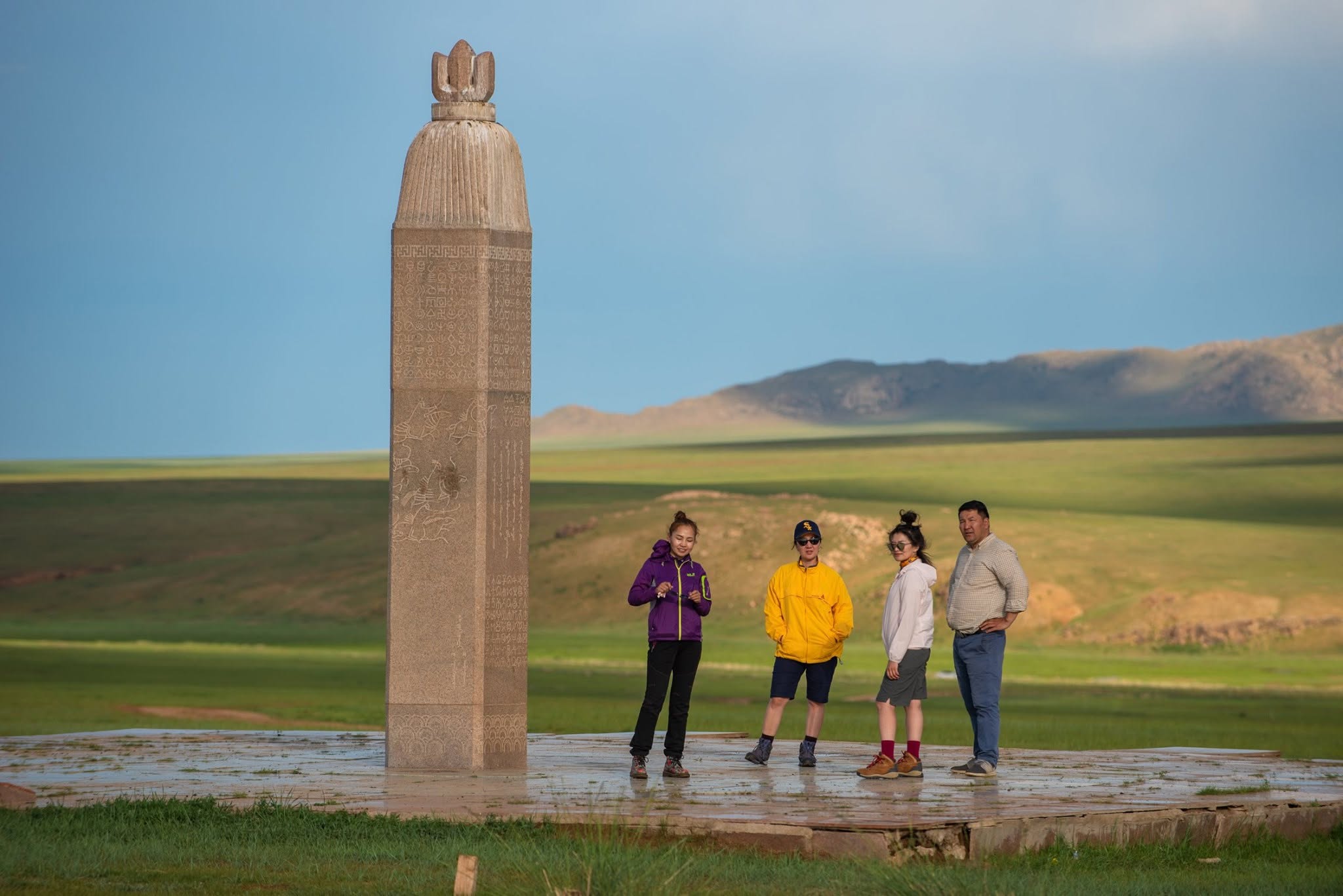
Access Methods and Best Travel Season
The gateway to the Khentii Mountains is the capital city, Ulaanbaatar. The standard route involves arriving in the city by air and traveling northeast by car. As you approach the protected area, paved roads decrease and off-road driving increases, making it essential to arrange a four-wheel-drive vehicle and an experienced driver.
The best season is during the summer months, roughly from June to September, when the snow melts and river water levels settle. During this period, the grasslands turn vibrant green, and daytime temperatures become pleasant for walking. Early spring and late autumn are prone to snowfall and severe cold, making river crossings difficult and rendering the season unsuitable for trekking.
Staying overnight in Ulaanbaatar before departure to prepare gear and supplies ensures a worry-free start. For navigating the city, please refer to our guide: "Complete Ulaanbaatar Sightseeing Guide | Top Attractions and How to Get Around."
Conclusion: Your Next Step
The Khentii Mountains serve as a rare trekking stage where you can experience both history and pristine wilderness simultaneously. Start by writing down your available schedule and physical fitness level to decide whether a half-day grassland walk is sufficient or if you want to challenge yourself with a multi-day traverse.
Once your preferred difficulty level is settled, consulting with a local guide familiar with river conditions and sacred etiquette—and planning a concrete itinerary within the June-to-September window—is the best way to enjoy this land safely and deeply.
Frequently Asked Questions (FAQ)
Q: Where are the Khentii Mountains located?
A: It is a mountain range located in northeastern Mongolia, to the northeast of the capital city, Ulaanbaatar. The area surrounding and including the sacred mountain Burkhan Khaldun is protected as the Khan Khentii Strictly Protected Area.
Q: What is the difficulty level of trekking in the Khentii Mountains?
A: It varies greatly depending on the route. Short itineraries walking along the edges of grasslands and forests can be enjoyed even by beginners, whereas long-distance traverses to the sacred mountain involve multi-day camping and require intermediate or higher physical fitness.
Q: When is the best time for trekking?
A: Generally, the summer months from June to September are most suitable. During this season, rivers are easier to cross after the snowmelt, and the grasslands are covered in lush green. Early spring and late autumn are prone to snowfall and severe cold.
Q: What is the relationship between Genghis Khan and the Khentii Mountains?
A: The Khentii Mountains are considered the birthplace of Genghis Khan. The sacred mountain Burkhan Khaldun is a place he revered and is also believed to be one of the candidate sites for his burial place. It stands as the heart of Mongolian history and spiritual faith.
Q: Can I go independently, or do I need a tour?
A: Roads inside the protected area are limited and signposts are scarce, making local guides and vehicle arrangements practically necessary. To eliminate language barriers and navigation concerns, booking a tour with a Japanese-speaking guide is the most realistic option.
![[IMPORTANT • MUST READ] For Guests Participating in Tours with Horse and Camel Riding](https://mongoliatravel.net/storage/437/conversions/_dsc0563-(1)-thumb.jpg)