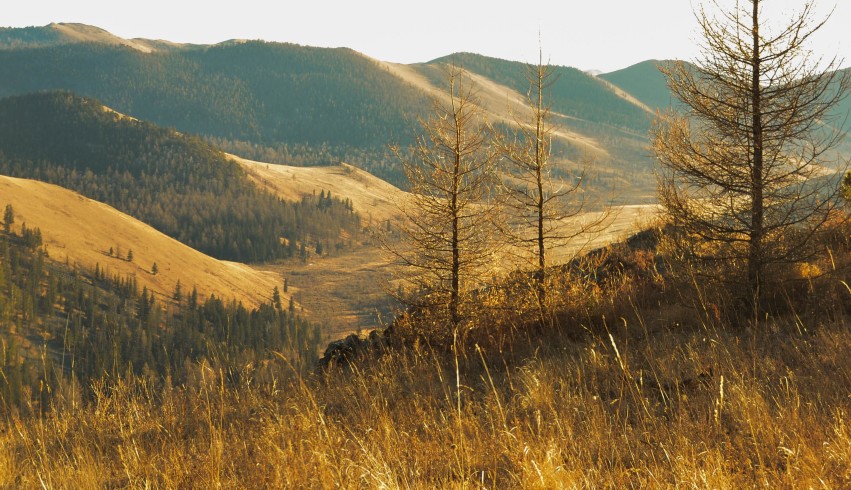
Altai Tavan Bogd National Park, Mongolia
Overview of Malchin Peak
Malchin Peak is one of the permanently snow-capped peaks of Altai Tavan Bogd, located in far western Mongolia. Its elevation is approximately 4,050–4,051 meters above sea level.
Compared to other peaks of Tavan Bogd, Malchin Peak is generally classified by international trekking standards as a non-technical or trekking peak, meaning that technical climbing equipment such as ropes or advanced mountaineering skills are not normally required.
With proper hiking boots, trekking poles, food for the day, and suitable outdoor clothing, many climbers are able to reach the summit and return within one day.
However, everyone is different. Physical condition, altitude tolerance, previous experience, and the altitude at which a person normally lives vary greatly. Travelers who live at low altitude or lack high-altitude experience should read this information carefully and make conservative decisions.
Why Does Malchin Peak Feel Difficult for Some People?
1. Altitude Sickness (AMS – Acute Mountain Sickness)
Above 3,000 meters, the risk of AMS increases significantly. Common symptoms include:
-
Headache
-
Nausea or stomach discomfort
-
Fatigue and weakness
-
Dizziness
-
Sleepiness or reduced alertness
If these symptoms appear, the correct response is to descend immediately.
It is very common for some climbers to turn back before reaching the summit for safety reasons.
2. Rapid Ascent and Lack of Physical Preparation
Climbers with insufficient cardiovascular fitness or endurance may struggle physically.
When the body cannot adapt to altitude stress, AMS symptoms appear more easily, even if the route itself is technically simple.
3. Short Itineraries and Poor Acclimatization
Some travelers choose short itineraries due to time or budget constraints.
Insufficient acclimatization significantly increases the risk of failing to reach the summit or developing serious health problems.
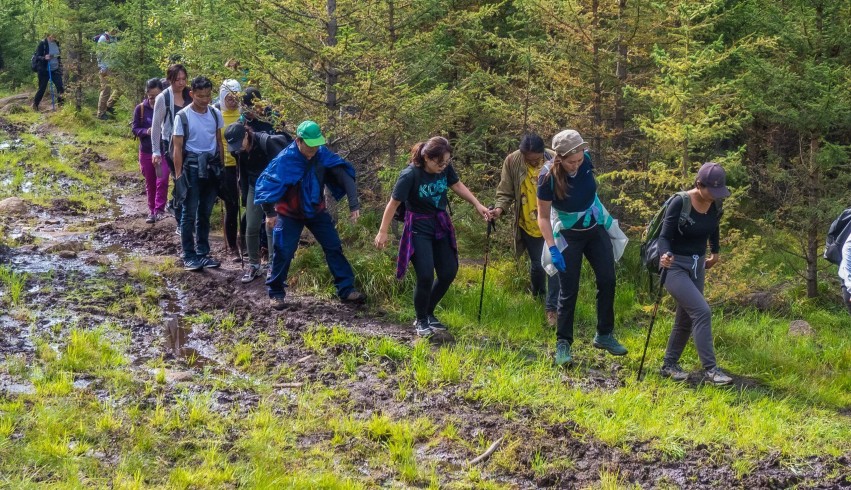
4. Terrain and Route Conditions
-
Unlike standard hiking trails, the route to Malchin Peak follows glacial moraine and horse tracks
-
A small river crossing is required before the main ascent
(during heavy melt or rain, crossing may become impossible) -
There is no clearly marked trail; faint paths may appear and disappear
-
No official trail signs or markers exist
5. International Classification: Technical vs Non-Technical
Malchin Peak is classified as a non-technical trekking peak, meaning that specialized climbing equipment is not normally required.
However, this does not mean the mountain is easy.
Malchin Peak is best described as “non-technical but physically demanding”, requiring strong endurance, altitude tolerance, and mental resilience.
Potential Risks
-
AMS / HACE / HAPE
Headache, nausea, vomiting, fatigue, dizziness, excessive sleepiness -
Cold rain, strong winds, thunderstorms
-
Slips, falls, ankle injuries on loose rocks and scree
-
Remote location with limited access to medical assistance
-
Risk of unintentional border crossing, as the area lies close to international borders and no border markers are visible
Preparation
A. Acclimatization (Most Important)
-
From the park entrance to base camp, it is recommended to walk instead of using horses or vehicles
-
Before summit day, perform altitude gain and descent
Example: hike to Border Marker No. 1 (~3,700 m) and return
B. Fitness Training (6–8 Weeks Before the Trip)
-
Cardiovascular training (running, uphill walking)
-
Strength training
-
Practice walking 10 km with an 8–12 kg backpack
C. Required Equipment
Essential
-
High-quality hiking or mountaineering boots
-
Base layer, insulating layer, windproof/waterproof shell
-
Hat, gloves, face protection
Recommended
-
First aid kit
-
Sunglasses and sunscreen
Crampons and ice axes are usually not required, but may be necessary depending on seasonal snow and ice conditions. Always consult your operator in advance.
D. Logistics and Permits
-
Located in the far western edge of Mongolia, travel with an experienced tour operator and guide is mandatory
-
National park permit and ranger registration required
-
Due to proximity to the border zone, passport and special permits are required
Essential Safety Guidelines
-
Travel with a tour operator and guide experienced in high-altitude trekking and evacuation procedures
-
If you feel unwell, do not attempt the summit—descending is the correct decision
-
Purchase travel insurance covering high-altitude trekking and emergency evacuation
-
Preventive medication such as acetazolamide should only be taken after consulting a doctor
-
Mobile signal is unreliable—satellite communication devices or a PLB are strongly recommended
Choosing the Right Operator and Route
If this is your first high-altitude trek, choose a company that can design an itinerary with dedicated acclimatization days for Malchin Peak.
Malchin Peak is located in a true wilderness area, home to wildlife such as bears, snow leopards, wolves, and foxes.
From base camp to summit and back, climbers typically need 7–12 hours of continuous walking, depending on individual fitness and conditions.
Choose operators and guides with real high-altitude experience who do not underestimate the mountain or describe it as “easy.” Honest explanations and conservative decision-making are key to a safe and successful climb.