Key Points
-
The overall best season to visit Mongolia is from June to September when the weather is stable, which is also most suitable for trekking and mountain climbing.
-
The national Naadam Festival, held from July 11 to 13, is the largest cultural event and is registered as a UNESCO Intangible Cultural Heritage.
-
The capital, Ulaanbaatar, is known as the coldest capital city in the world with a sub-zero average annual temperature, requiring serious cold-weather gear for winter visits.
-
Depending on your travel goals—such as attending the Golden Eagle Festival in early October or hiking through fresh green steppes in June—the ideal month will vary.
The best season for traveling to Mongolia is from June to September, when the climate is warm and stable. During this period, the grasslands shine in vibrant green, making trekking, mountain climbing, and cultural experiences comfortable and enjoyable. However, the truly ideal month depends on what you wish to experience. This article provides a monthly breakdown, covering everything from the characteristics of Mongolia's four seasons to recommended travel times based on your travel goals.
From grasslands and traditional gers to the high peaks of the Altai and the vast Gobi Desert—Mongolia is vast, and climate varies significantly by region. Identifying the right travel period is the first step toward a highly satisfying journey.
Climate Features and Four Seasons Shaping Mongolia's Best Season
Mongolia features a typical continental climate with an extreme temperature contrast between summer and winter. The capital, Ulaanbaatar, is known as the world's coldest capital, with an average annual temperature of -0.8°C (WorldAtlas). No other capital city has an average annual temperature below freezing.
Annual precipitation is low and concentrated mostly in the summer months. Known as the "Land of the Blue Sky," Mongolia enjoys a high number of sunny days throughout the year. While this dry air and clear sky make the daytime pleasant, they also cause sharp temperature drops at night.
The four seasons are distinctly defined: spring brings strong winds and occasional dust storms, summer is short and mild, autumn offers clear skies and autumn colors, while winter brings long and severe cold. Understanding these seasonal variations makes it much easier to plan your trip effectively.
When is the Best Summer Season for Trekking and Mountain Climbing?
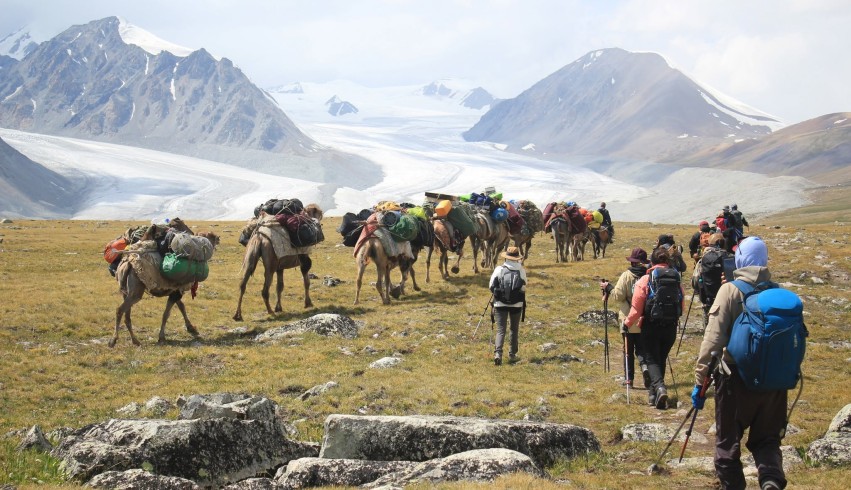
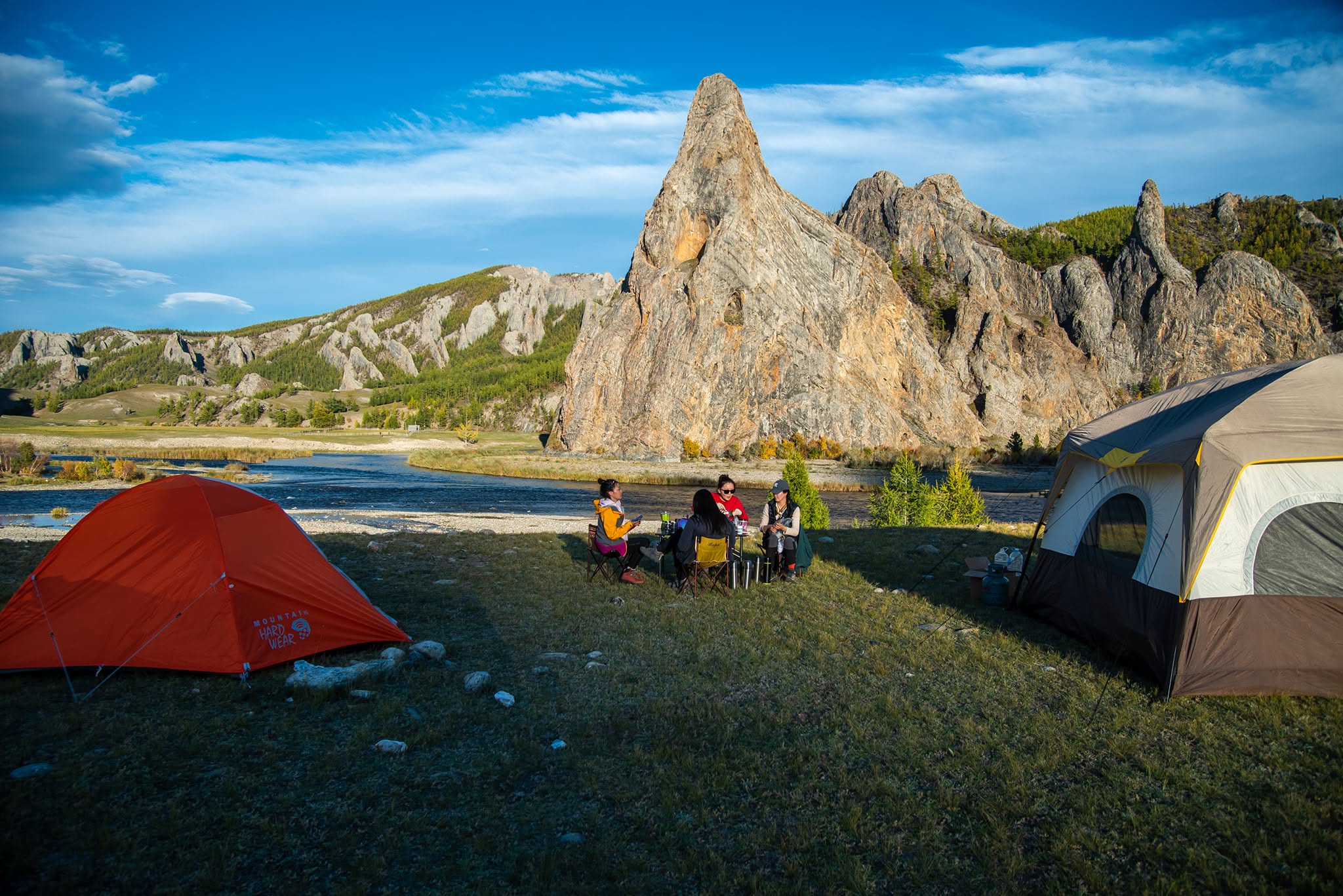
The most suitable period for trekking and mountain climbing is during the summer months, from mid-June to early September. During this time, the snow melts, making mountain trails accessible, and daytime temperatures settle within a comfortable range for outdoor activities. Access to high-altitude glacier areas, such as Tavan Bogd in the Altai Mountains, is also limited to this season.
July and August offer the most stable weather conditions. The grasslands are covered in vibrant green, and river water levels are rich, making it ideal for multi-day traverses and horse-riding trekking. However, because rainfall is concentrated in the summer, waterproof gear is essential. Morning and evening temperatures can drop significantly, so layering clothes is the basic strategy for temperature adjustment.
If you are planning a full-scale mountain expedition, preparation regarding routes and equipment will determine your success. For those aiming for the highest peaks of the Altai, consulting our "Complete Guide to Mongolia Mountain Climbing Tours" will help you check required fitness levels and itinerary guidelines.
When is the Peak Season for Cultural Festivals?
Mongolia's two major festival seasons are concentrated in summer and autumn. The largest national event, the Naadam Festival, takes place annually across the country from July 11 to 13, featuring competitions in three traditional sports: Mongolian wrestling, horse racing, and archery. Naadam is recognized as a UNESCO Intangible Cultural Heritage and stands as Mongolia's most significant cultural celebration.
During this period, alongside the excitement of watching the sports, nomadic culture can be felt most vividly. On the other hand, domestic travel also peaks, so booking accommodations and event tickets early provides peace of mind. Combining the festival with grassland sightseeing offers a dense and memorable experience, even on a short stay.
Autumn hosts another legendary event: the Golden Eagle Festival held in Bayan-Ölgii Province. In 2026, it is scheduled for October 3–4, where Kazakh eagle hunters display the extraordinary skills of their trained golden eagles. Watching this eagle-hunting heritage under clear autumn skies delivers a quiet yet powerful impression distinctly different from summer. For details, please explore our guide: "What is Bayan-Ölgii Province? The Appeal of Kazakh Culture and Eagle Hunting."
What are the Attractions of Winter and Precautions for Cold-Weather Travel?
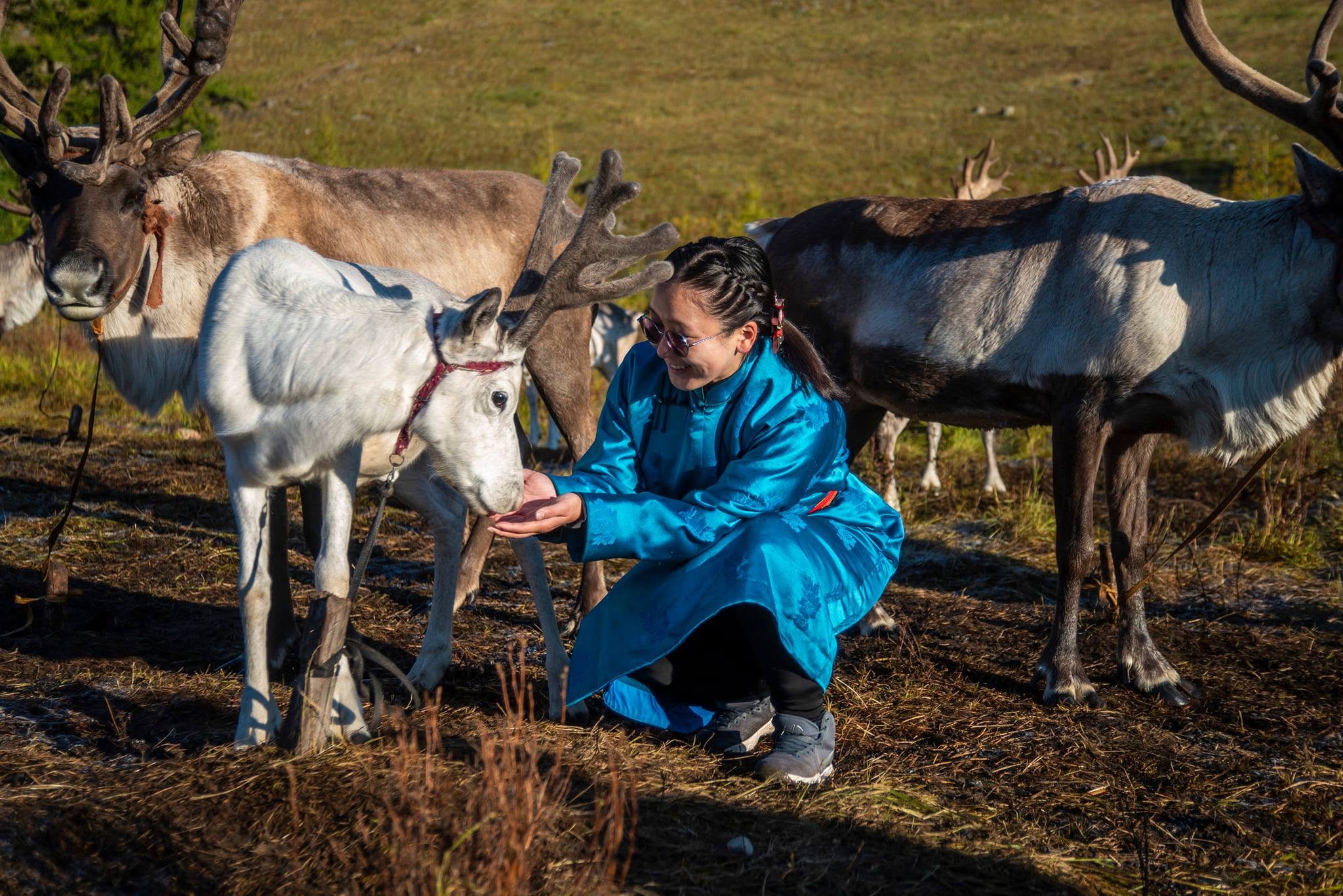
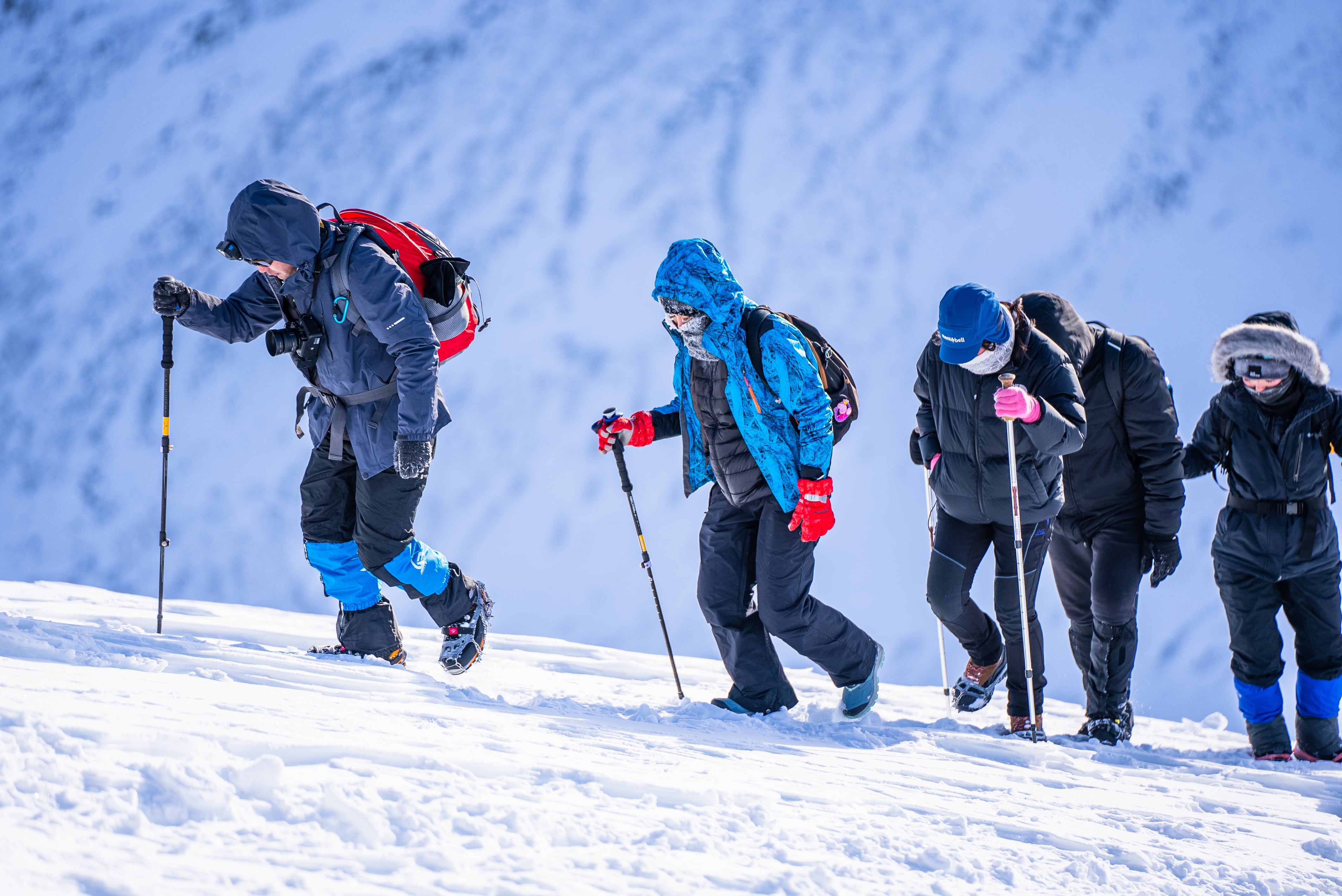
Winter in Mongolia is a harsh yet beautiful season. Temperatures drop from -20°C to nearly -40°C, creating an environment fit for a country home to the world's coldest capital. In return, scenes unique to winter—such as gers standing on vast snowfields and frozen lakes—unfold before your eyes.
Winter-exclusive experiences are abundant. Events like ice festivals, winter eagle hunting, and horse riding across snow-covered steppes are special programs available only during this time of year. Another major attraction is the serenity, allowing you to connect with nomadic culture without the summer crowds.
However, improper preparation can completely ruin your trip. Since many ger camps close during winter, available itineraries become limited, making serious cold-weather gear—such as heavy down coats, high-insulation boots, and extra gloves—an absolute necessity. Additionally, because the temperature difference between indoors and outdoors is significant, aim for a layered outfit that is easy to put on and take off.
Quick Reference Table: Recommended Travel Times by Purpose
Once your travel goal is set, narrowing down the ideal timing becomes much easier. Use the quick reference table below to select your travel month based on the experiences you prioritize most.
Quick Reference Table: Recommended Travel Times by Purpose
| Purpose | Recommended Season | Key Points |
| Trekking & Mountain Climbing | Mid-June to Early September | Mountain trails become accessible after snowmelt; weather is stable. |
| Naadam Festival | July 11 to July 13 | National grand festival; early booking for accommodations and tickets is essential. |
| Lush Green Steppes & Horse Riding | June to July | The period when the grasslands shine in their most vibrant green. |
| Golden Eagle Festival | Early October | Kazakh eagle hunter heritage under clear, crisp autumn skies. |
| Stargazing & Gobi Desert | August to September | Dry climate with crystal-clear night skies. |
| Winter Landscapes & Ice Festival | December to February | Unique winter views; serious cold-weather gear is required. |
Overall, if you are visiting Mongolia for the first time, choosing any time from June to September guarantees a successful trip. By arranging tours with local Japanese-speaking guides, you can minimize any on-site travel concerns while enjoying an itinerary tailored to your schedule.
Once your travel dates are finalized, the next step is packing! By listing necessary equipment for each season, you can prepare thoroughly for an unforgettable, regret-free journey.
Frequently Asked Questions (FAQ)
Q: Which month is the overall best time to visit Mongolia?
A: Overall, June to September is the best season. The climate is warm and stable, allowing you to fully enjoy trekking, mountain climbing, and cultural experiences. July and August are particularly vibrant with green grasslands and offer excellent access across all regions.
Q: When is the Naadam Festival held?
A: The Naadam Festival is held nationwide every year from July 11 to July 13. Featuring competitions in wrestling, horse racing, and archery, it is registered as a UNESCO Intangible Cultural Heritage. Since domestic travel peaks during this period, early booking is highly recommended.
Q: Is it possible to travel to Mongolia in winter?
A: Yes, winter travel is fully possible! However, because temperatures drop between -20°C and nearly -40°C, serious cold-weather protection is mandatory. While many ger camps close during this time, you can enjoy rare winter experiences such as ice festivals and winter eagle hunting.
Q: Which month should I visit to see the Golden Eagle Festival?
A: The Golden Eagle Festival is typically held in early October in Bayan-Ölgii Province. In 2026, it is scheduled for October 3 to October 4. It offers a rare opportunity to witness Kazakh eagle hunter culture up close under crisp autumn skies.