Key Points
-
For independent travel, a one-week trip generally costs between 150,000 and 300,000 JPY, while specialized tours involving mountaineering or trekking often exceed 300,000 JPY.
-
The three main pillars of expenses are airfare, accommodation, and local transportation—with travel to remote regions significantly affecting the total cost.
-
Japanese passport holders do not require a visa for tourism stays under 30 days, meaning there are no entry-related visa fees.
-
Airfare and lodging prices peak during the high season from June to August; traveling during the shoulder months of May or September is an effective way to save money.
The estimated budget for a one-week independent trip to Mongolia is roughly 150,000 to 300,000 JPY. For specialized tours that include climbing the Altai Mountains or exploring the Gobi Desert, the total cost often exceeds 300,000 JPY due to added domestic flights and private vehicle charters. This article breaks down the price ranges into three main pillars—airfare, accommodation, and local transport—and offers practical tips on how to build a plan according to your budget, helping anyone comparing options accurately estimate their total trip cost.
Mongolia has been gaining increasing attention as a travel destination in recent years. According to the Ministry of Culture, Sports, Tourism and Youth of Mongolia, the number of foreign tourists from January to August 2026 reached 705,098, representing a 17.9% increase compared to the same period of the previous year, with Japan ranking among the top five source countries (Xinhua News Agency, September 2026). As visitor numbers grow, peak season prices tend to rise accordingly, making it all the more valuable to understand how travel costs are structured.
How Do Costs Vary by Tour Type?
The cost of traveling to Mongolia varies significantly depending on the type of tour you choose. Short-term itineraries focusing solely on Ulaanbaatar and its surrounding areas require vastly different transport methods and durations compared to specialized tours venturing into remote mountainous regions. It is best to start by grasping the price range for the trip style that matches your goals.
Expenses generally fall into three tiers. Short 2-to-3-night light plans centered around the capital and nearby Terelj National Park sit in the most affordable tier. Circuit-style tours exploring the vast steppes or the Gobi Desert over several days form the middle tier. Finally, trips requiring specialized equipment and guides—such as mountaineering in the Altai Mountains or golden eagle hunting demonstrations—belong to the highest price tier.
As your destination grows more distant, the trip duration longer, and the specialization higher, the total cost increases. Adding more activities like horseback riding or trekking will also accumulate additional practical expenses. For first-time visitors, confirming your budget feel through a light plan near the capital, such as Terelj National Park, is a practical starting approach.
What is the Breakdown of Airfare, Accommodation, and Local Transport?
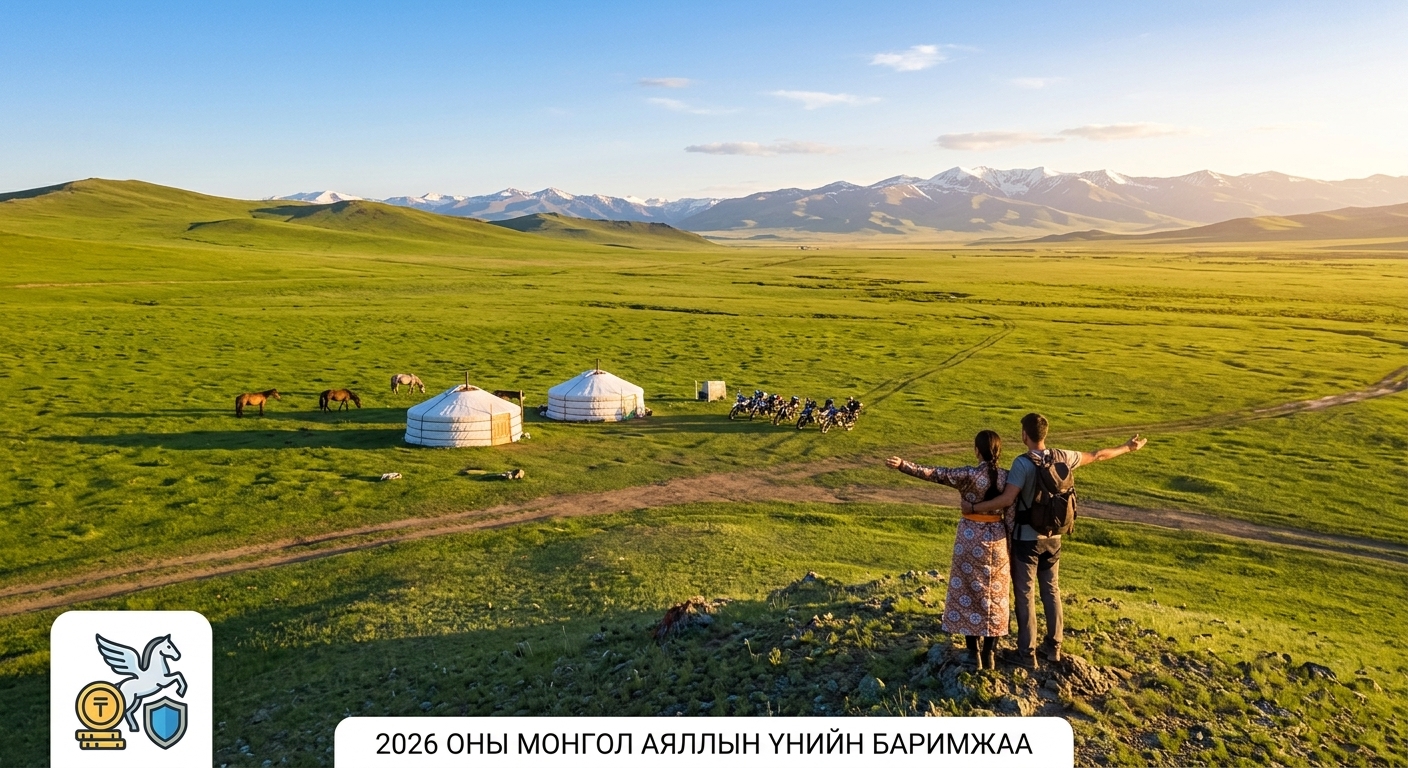
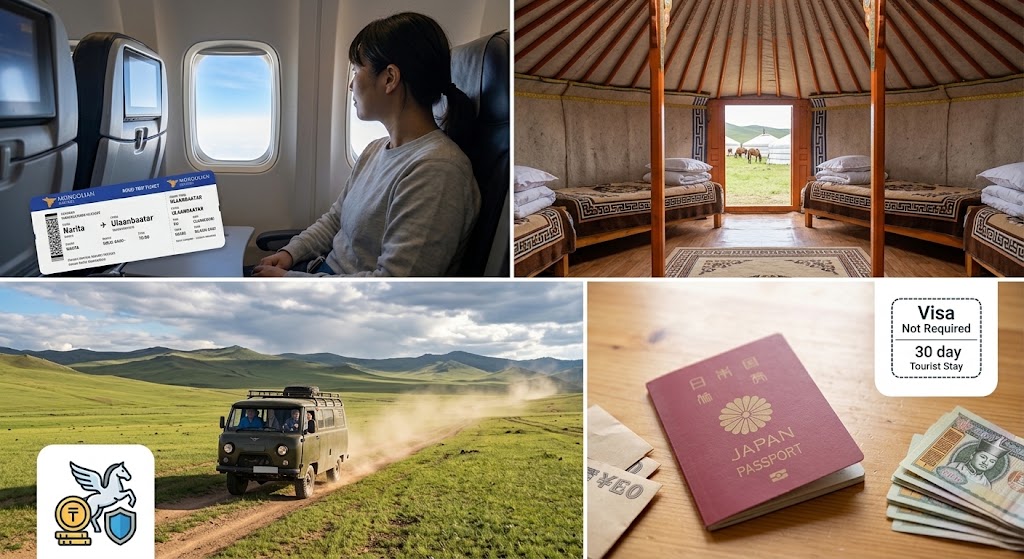
The total cost of a trip to Mongolia is determined by three main pillars: airfare, accommodation, and local transportation. Round-trip airfare—whether on direct flights from Japan to Ulaanbaatar or connecting flights via South Korea or China—accounts for a major portion of the overall budget. Because prices fluctuate based on the season and how early you book, securing your tickets well in advance is highly effective.
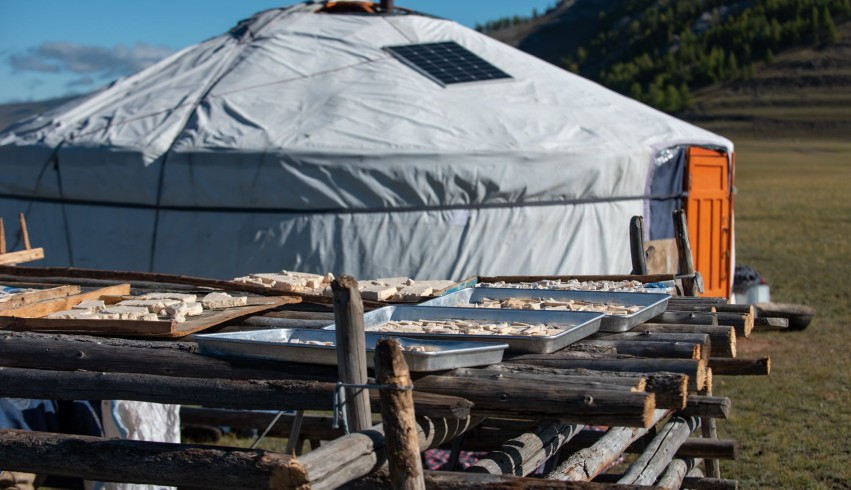
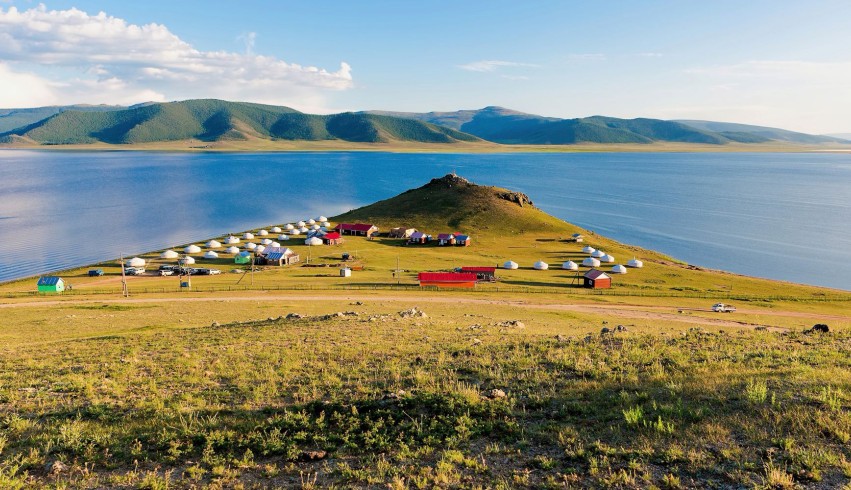
Accommodation expenses vary widely depending on the type of stay. Hotels in Ulaanbaatar offer high comfort, though at a higher nightly rate. In rural areas, staying at tourist camps featuring traditional portable dwellings called gers is the standard, with most rates including meals. Ger stays not only offer a unique local experience but can also help keep accommodation costs lower than staying in city hotels.
Among the three main pillars, local transportation is the most easily overlooked expense. Because Mongolia covers a vast territory with limited paved roads, traveling to countryside regions requires chartering vehicles or hiring four-wheel-drive vehicles with drivers. This transport cost heavily influences the overall trip budget. Arranging your local travel all together through a package that includes a Japanese-speaking guide makes it much easier to forecast and plan for these transportation expenses.
Furthermore, entering the country itself incurs no visa fees. Japanese passport holders traveling for tourism do not require a visa for stays up to 30 days, as long as their passport has a remaining validity of at least six months upon entry. Being able to allocate these saved funds toward local activities is a distinct advantage for travelers from Japan.
What Are the Additional Costs for Trekking and Climbing Tours?
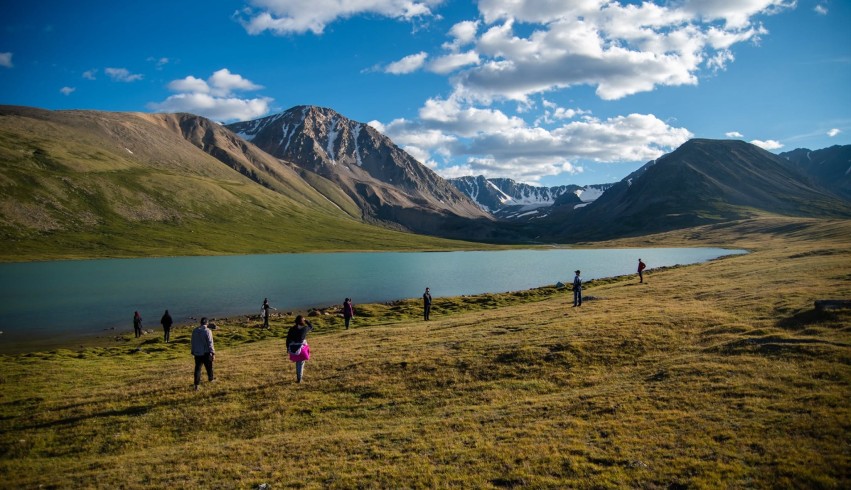
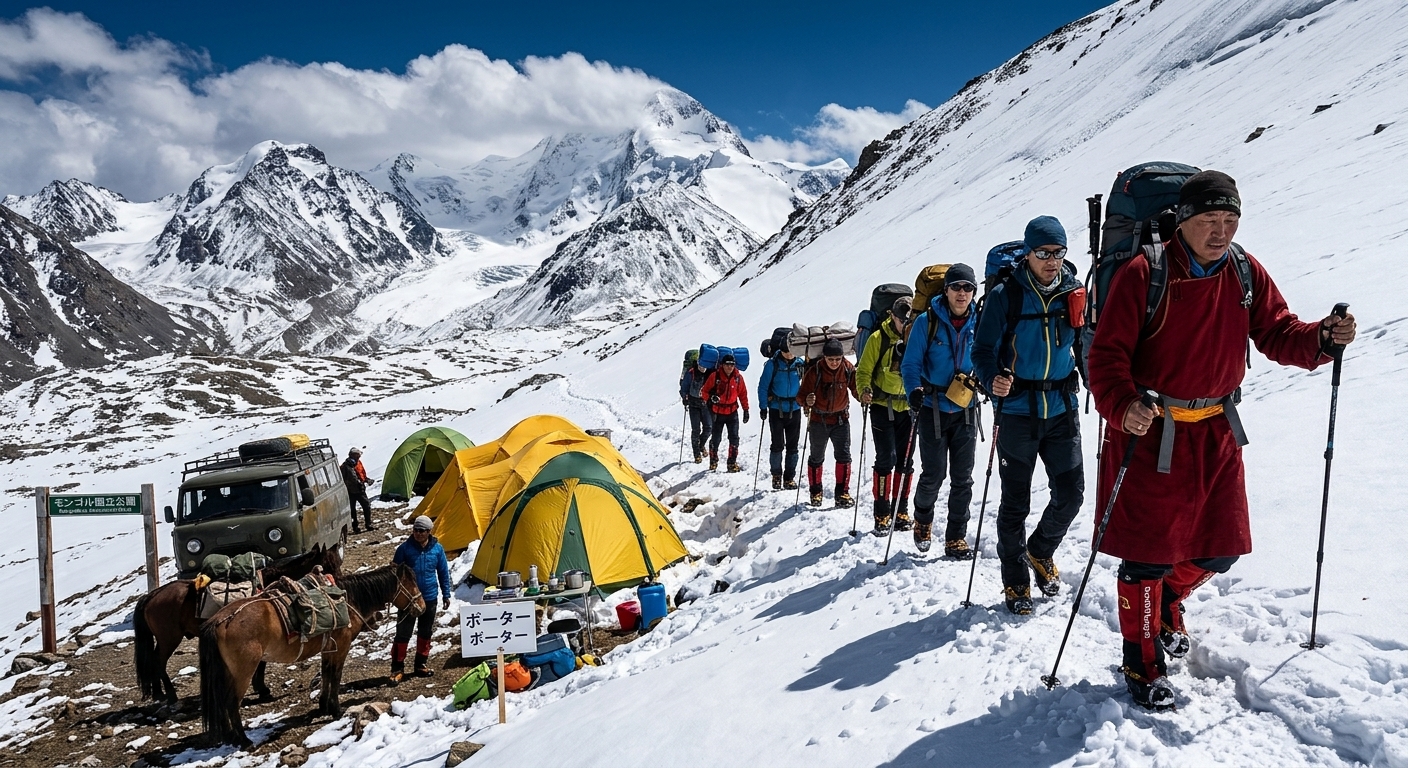
Trekking and climbing tours incur clear additional costs compared to circuit-style travel. Entering high-altitude regions such as Tavan Bogd in the Altai Mountains requires specialized guides, procedures related to mountain entry, and the transportation of camping equipment, all of which are not included in general sightseeing plans.
There are three main upward price factors[cite: 3]. First are the personnel costs for specialized guides, porters, and cooking staff[cite: 3]. Second are the costs associated with entering national parks. Third are the long-distance transportation and private vehicle charter fees to the village that serves as the trailhead[cite: 3]. The longer the distance to this base village, the more these transportation costs inflate[cite: 3].
Costs also vary depending on whether you bring your own equipment or rent it locally. As the number of days extends, the actual expenses for food and fuel also increase. When obtaining an estimate, please confirm one by one exactly what is included in the price. Plans with a wider inclusive range will result in fewer additional payments on-site.
Tips to Keep Mongolia Travel Costs Down and the Best Time for Deals
The biggest secret to reducing the cost of a trip to Mongolia is to avoid the peak season and travel during the shoulder periods. During the concentrated tourist months from June to August, airfare and accommodation rates tend to rise, making the same itinerary more expensive. In the preceding and proceeding months of May and September, prices stabilize, and you can still fully enjoy the beautiful steppe scenery.
There are other steps you can take besides timing[cite: 3]. For airfare, booking early provides a wider range of options[cite: 3]. For accommodation, incorporating ger camps into your itinerary makes it easier to keep costs lower than a plan centered on city hotels[cite: 3]. When it comes to vehicle charters, sharing among a small group reduces the burden per person, so seeking travel companions is also effective.
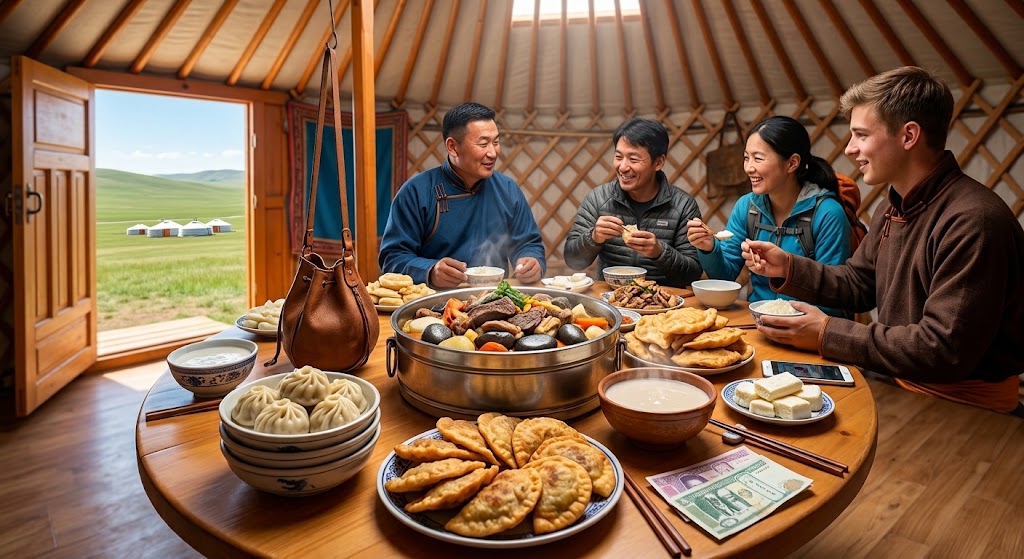
There is also room for strategy in currency exchange. Cash is central in rural ger camps and local shops, so preparing a portion of your stay funds in the local currency, Togrog, will prevent unnecessary hassle. For a detailed breakdown of how to determine the ideal travel time, please check our guide, "When is the Best Time to Visit Mongolia? Monthly Guide". Be cautious about selecting the extreme winter months based solely on price, as transportation becomes restricted; make your timing decision carefully.
How to Build Recommended Plans by Budget?
When building a plan by budget, you will not fail if you first decide on the upper limit of the total cost and then allocate funds. In Mongolian travel, local transportation costs to rural areas drive up the total budget, so deciding how far you want to venture is the initial decision point[cite: 3]. The more you narrow down your destinations, the easier it becomes to forecast the budget.
If you wish to keep costs low, a short-term plan centered around Ulaanbaatar and Terelj National Park is a configuration that is easy to assemble[cite: 3]. For a moderate budget, a trip that takes several days to explore regional highlights, such as a circuit tour of the Gobi Desert or Lake Khuvsgul, is realistic. If you can secure a substantial budget, you can challenge specialized journeys such as mountaineering in the Altai Mountains or golden eagle hunting demonstrations.
For any budget tier, we recommend first finalizing the schedule and destinations, and then estimating in the order of airfare, accommodation, and local transportation. This is because, in Mongolian travel, movement forms the backbone of the itinerary. If you are uncertain about creating a specific itinerary, select a course that fits your budget starting from "Mongolia Trekking Tour Recommended Courses: A Select Guide". Mongolia Travel offers arrangements with Japanese-speaking guides that cater to various budgets, allowing you to build a practical plan while obtaining estimates.
Frequently Asked Questions
How much does a one-week trip to Mongolia cost? For independent travel including airfare, accommodation, local transportation, and meals, the general budget is roughly 150,000 to 300,000 JPY. Specialized tours that venture into remote regions—such as mountaineering in the Altai Mountains or exploring the Gobi Desert—often cost 300,000 JPY or more due to additional domestic flights and private vehicle charters.
Is a visa required for traveling to Mongolia? Japanese passport holders traveling for tourism purposes do not require a visa for stays up to 30 days. Please ensure your passport has at least six months of remaining validity. Since there are no visa or entry fees, you can allocate those funds toward local activities.
When is the cheapest time to travel to Mongolia? The shoulder months of May and September—avoiding the peak tourist season from June to August—are ideal targets. During these months, airfare and accommodation rates tend to drop while the steppe scenery remains enjoyable. Avoid choosing the extreme winter season based solely on price, as travel and movement become severely restricted.
Do I need cash or credit cards on-site? Credit cards are accepted at major hotels and large stores in Ulaanbaatar, but cash is the primary payment method in countryside ger camps and local shops. Exchange rates tend to be better locally, so it is safe to prepare a portion of your stay expenses in the local currency, Togrog.