The Reality of Travelling in Mongolia: What You Don't See in the Photos
Planning a trip to Mongolia? Don't rely on beautiful photos and videos alone. Take time to understand what travelling here is really like. Knowing what to expect before you arrive can help you avoid disappointment and make your journey much more enjoyable.
Mongolia. Endless grasslands, dramatic mountains, golden sand dunes, crystal-clear lakes, nomadic culture and nights filled with stars.
Look at photos and videos online, and Mongolia may seem like a dream destination. You might imagine riding camels across the dunes, galloping on horseback through green grasslands, staying in comfortable traditional gers and enjoying breathtaking scenery at every turn.
And yes, these experiences are real. But there is another side to travelling in Mongolia that photographs rarely show.
From small details in customer service to long-distance driving, road conditions, accommodation, food and toilet facilities, there are things every visitor should understand before arriving.
Service expectations, for example, can differ from what travellers are used to in Western Europe or North America. In some places, small details that might be considered important elsewhere may not receive the same attention. This does not necessarily mean that anyone intends to provide poor service. It often reflects differences in local service culture, priorities and expectations.
If you are accustomed to highly standardised services, precise schedules and attention to every small detail, you may occasionally find that things in Mongolia work differently.
Our advice is simple: ask questions before booking. Make sure you understand exactly what is included, what facilities are available and what you may need to prepare yourself.
These are not necessarily disadvantages of travelling in Mongolia. They are part of the reality of visiting a vast country where many remote areas have retained their natural environment and traditional way of life.
In this guide, we share some of the things you may not see in travel photographs, so you can arrive with realistic expectations and be better prepared.
1. Distances Between Destinations Are Much Longer Than You Might Expect
When looking at a map of Mongolia, several famous destinations may appear relatively close to one another. In reality, Mongolia is an enormous country, and travelling between major attractions can take considerable time.
For example, reaching the Gobi Desert, Lake Khövsgöl or Altai Tavan Bogd from Ulaanbaatar involves long journeys.
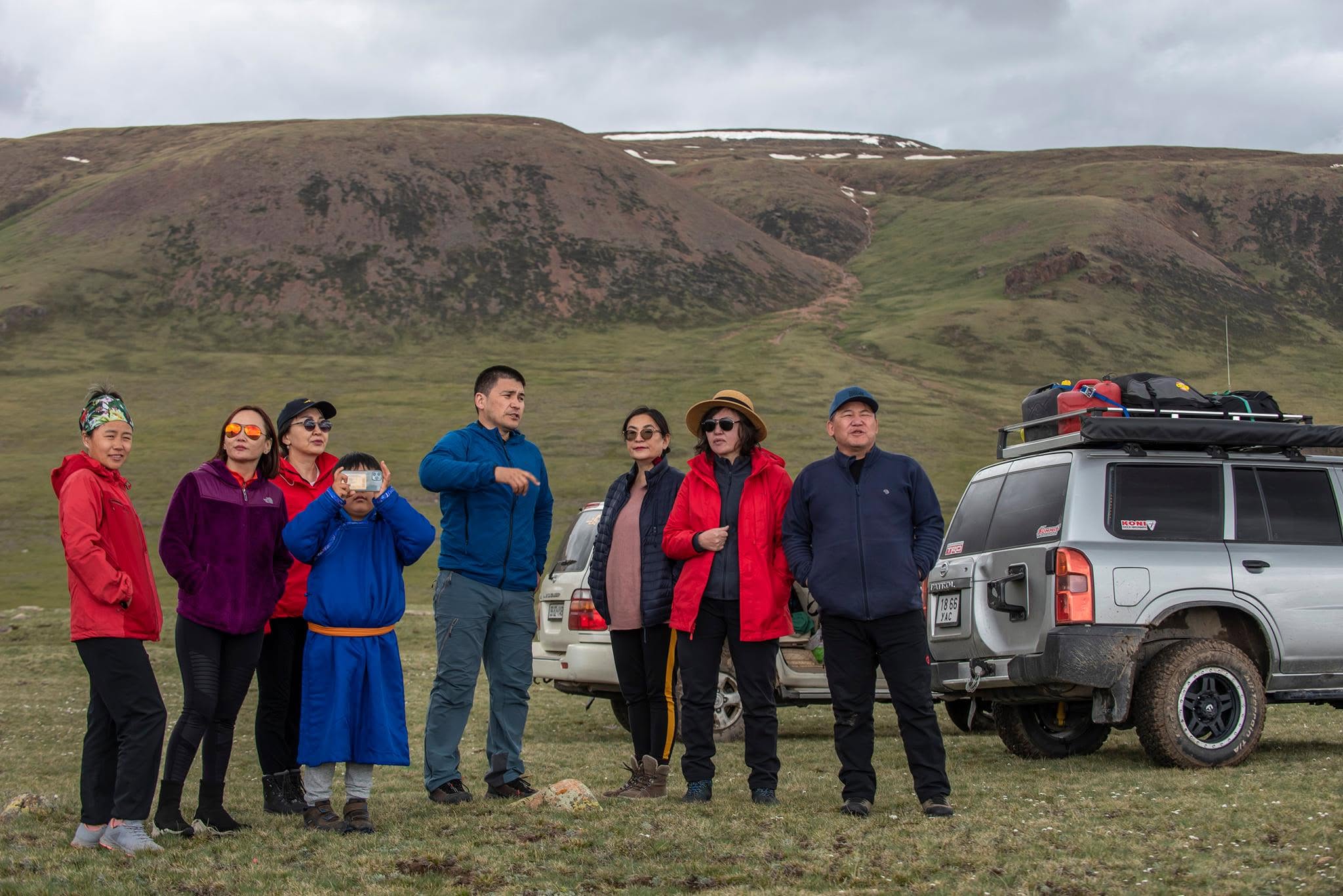
On some travel days, you may spend 5–8 hours or even longer in a vehicle. Actual travel times depend on road conditions, weather, rest stops and the chosen route.
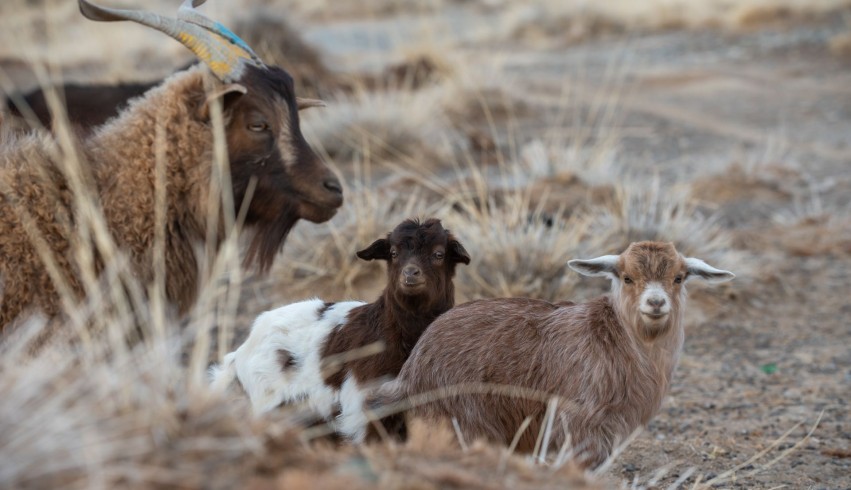
However, the journey itself can also be part of the experience. Along the way, you may see spectacular landscapes, grazing horses, sheep and goats, and occasionally nomadic families going about their daily lives.
Driving 500 km in Mongolia is very different from driving 500 km on a motorway in Japan, Europe or the United States.
In Mongolia, you can spend hours looking out across vast open landscapes, watching livestock grazing and enjoying views that stretch far into the distance. The scenery can make a long journey feel peaceful and rewarding. However, this does not mean that long drives are physically effortless.
Travel tips:
-
Avoid trying to visit too many destinations in a short period.
-
Make sure driving times are realistically included in your itinerary.
-
Allow enough days for destinations that are far from Ulaanbaatar.
-
Bring comfortable clothing, drinking water and snacks for long journeys.
2. Not All Roads Are Paved — and Even Paved Roads Can Be Rough
Travel photographs usually show beautiful landscapes, blue skies and endless grasslands. They rarely show the roads required to reach those places.
Mongolia has paved highways, but the quality of road surfaces varies considerably. Some roads have deteriorated over time, with potholes, uneven surfaces and damaged sections.
Seasonal freezing and thawing, changes in ground conditions, heavy truck traffic and hot summer temperatures can all contribute to road deterioration. As a result, even a paved road may be quite bumpy in certain sections.
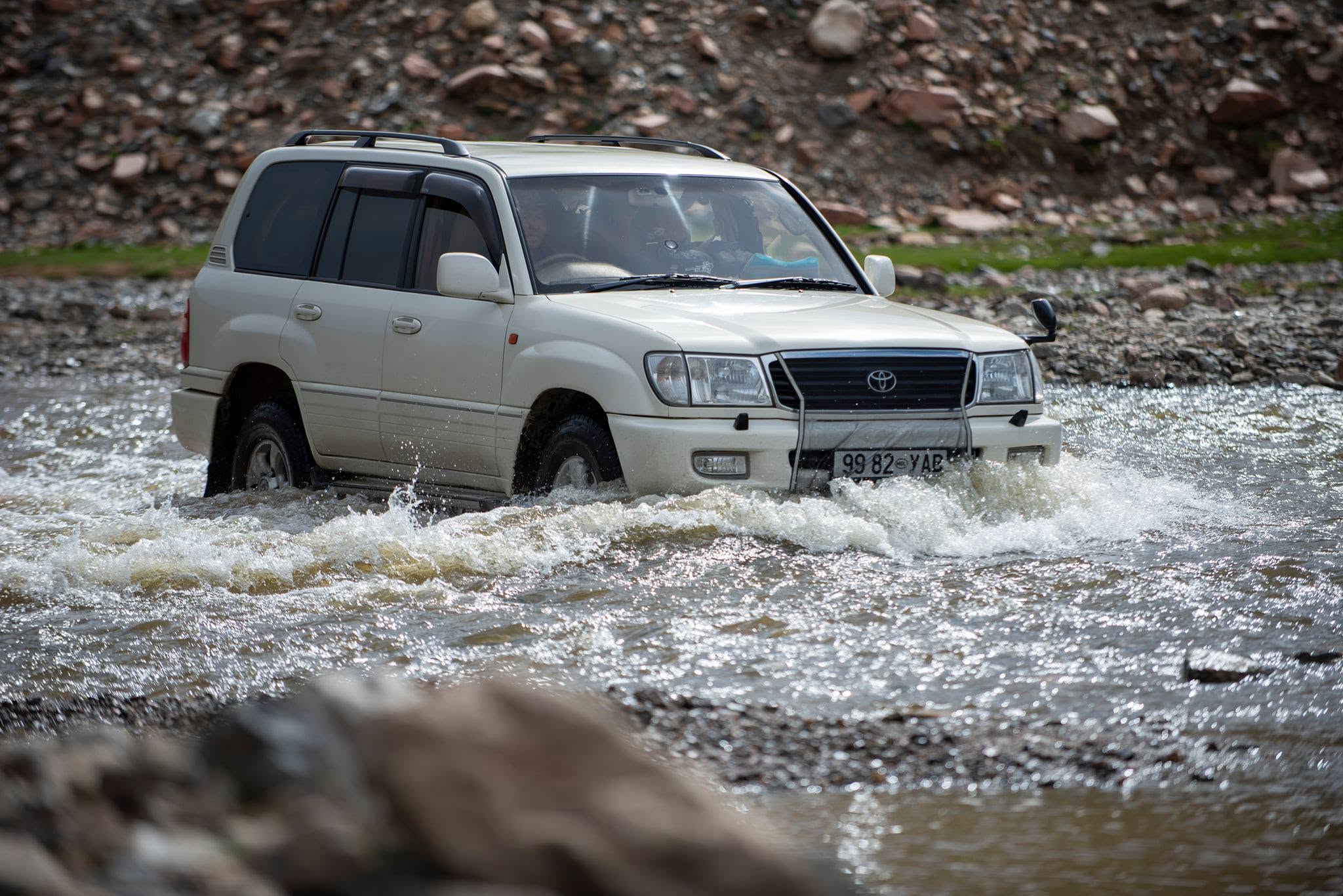
Once you leave the main highways, unpaved roads, gravel tracks and off-road routes are common.
This is particularly noticeable in the Gobi Desert. From a distance, the landscape may look completely flat, with a straight road stretching towards the horizon. However, some tracks develop a corrugated surface after years of vehicle traffic. These ridged surfaces can make the ride extremely bumpy, and driving at high speed is often impossible.
This is why choosing the right vehicle is one of the most important decisions when travelling in rural Mongolia.
Some low-cost tours use ordinary passenger cars, including vehicles such as the Toyota Prius, for long journeys outside the city. While these cars may be suitable for certain routes, they are not designed for every type of rough or unpaved road. Depending on the terrain, this can lead to discomfort and a greater risk of mechanical problems.
Transportation and fuel are among the largest expenses in a Mongolian overland tour. If a private 4WD vehicle is arranged for a small group travelling hundreds of kilometres, the cost per person can be relatively high.
For this reason, the cheapest tour is not always the best option. Before booking, consider comfort, safety and the type of roads you will be travelling on.
Travel tips:
-
Ask what type of vehicle is included in the tour price.
-
Check whether it is a suitable 4WD vehicle for rough and unpaved roads.
-
Ask how many passengers will share one vehicle.
-
Find out about the driver's experience with long-distance and off-road travel.
-
Understand that itineraries may need to change depending on road conditions.
-
Wear comfortable clothing and bring sunglasses and a face covering if you are sensitive to dust.
3. Not All Ger Camps Offer the Same Facilities
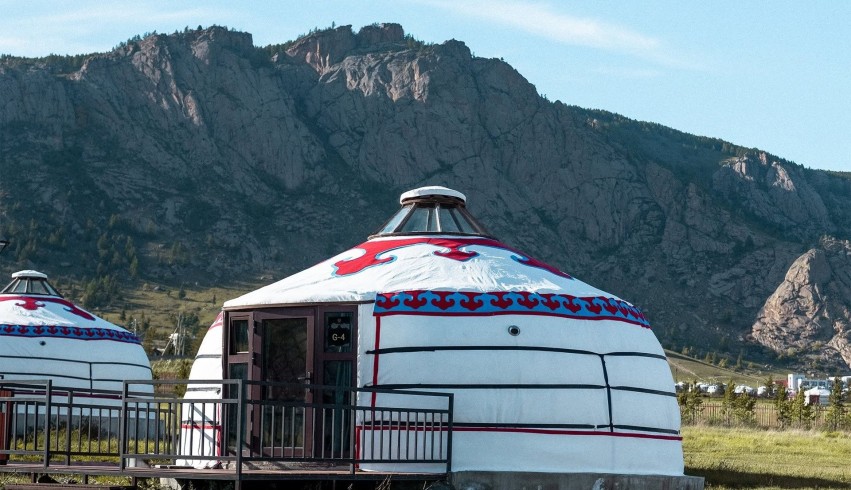
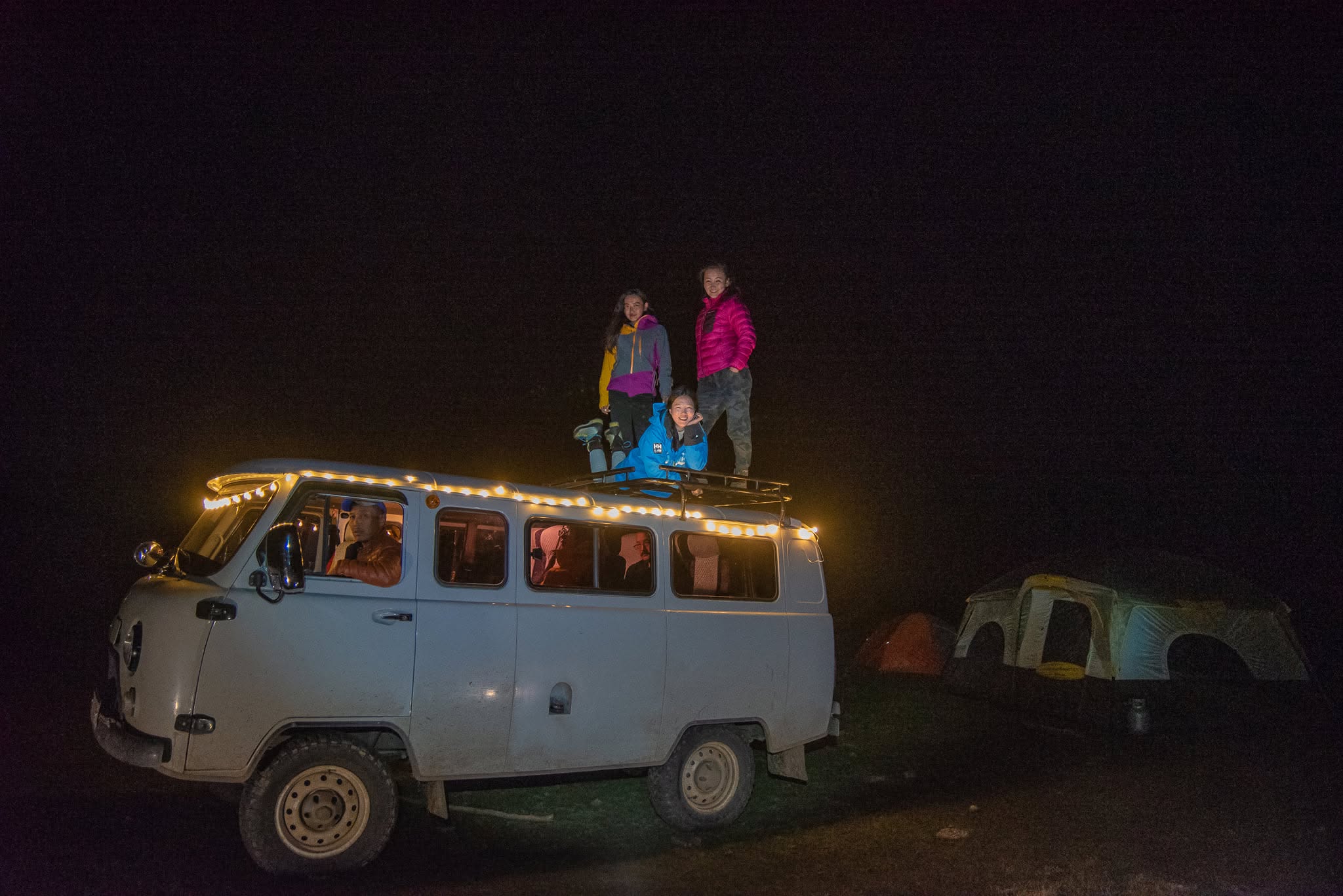
Staying in a traditional Mongolian ger is one of the highlights of visiting the country. However, not all ger camps offer the same level of comfort or facilities.
Some camps provide private bathrooms, showers and hot water inside or attached to the accommodation. Others have shared toilets and communal shower facilities.
Electricity, Wi-Fi and mobile phone coverage also vary from one location to another.
Facilities and service standards depend on the location, season and price category of the camp.
A luxury ger camp and a simple camp located in a remote natural setting can offer very different experiences.
Neither is necessarily better. It depends on what kind of trip you are looking for.
Travel tips:
-
Ask whether bathrooms and showers are private or shared before booking.
-
Check when hot water and electricity are available.
-
Confirm whether Wi-Fi and mobile phone coverage are provided.
-
Choose accommodation that matches your expectations and comfort requirements.
4. Mongolia's Weather Is Not Always Predictable
Summer is one of the most popular seasons for travelling in Mongolia, but the weather is not always stable.
Days can be warm or hot, while evenings and nights can become surprisingly cold. In rural areas, strong winds, rain and sudden temperature changes are possible.
Weather conditions can change particularly quickly in mountainous and high-altitude regions.
Even if you are visiting during summer, bringing only light clothing is not recommended. You will still need warm layers for evenings and nights.
Travel tips:
-
Pack clothes that can be worn in layers.
-
Bring a windproof and waterproof jacket.
-
Carry sunscreen, a hat and sunglasses.
-
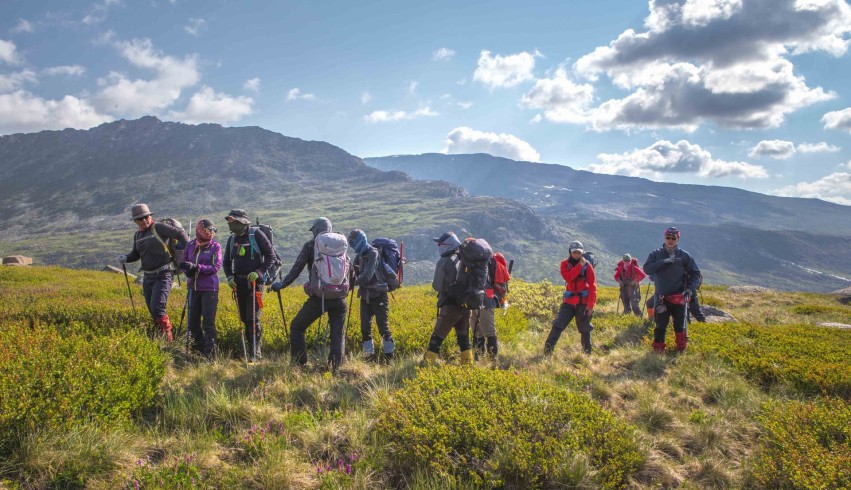
If you are hiking or trekking, check the weather forecast regularly.
5. Food and Toilet Facilities in Rural Areas Are Different from Those in Cities
Ulaanbaatar has a wide selection of restaurants, cafés and shops. In rural Mongolia, however, these services are much more limited.
Depending on your route, meals may need to be arranged in advance. Some days, your tour team may prepare meals for you, while on other days you may eat at a ger camp.
Toilet facilities along rural roads are also very different from those in towns and cities. In some remote locations, there may be no public toilets at all. Your driver or guide will usually choose suitable places for rest stops depending on the route and local conditions.
If you are vegetarian, have food allergies or require a special diet, make sure you inform your tour operator before departure.
Travel tips:
-
Inform your tour operator about dietary requirements and allergies in advance.
-
Bring hand sanitiser, wet wipes and toilet paper.
-
Make sure you have enough drinking water.
-
Carry small snacks for long driving days.
6. Mobile Phone Coverage and Internet Are Not Available Everywhere
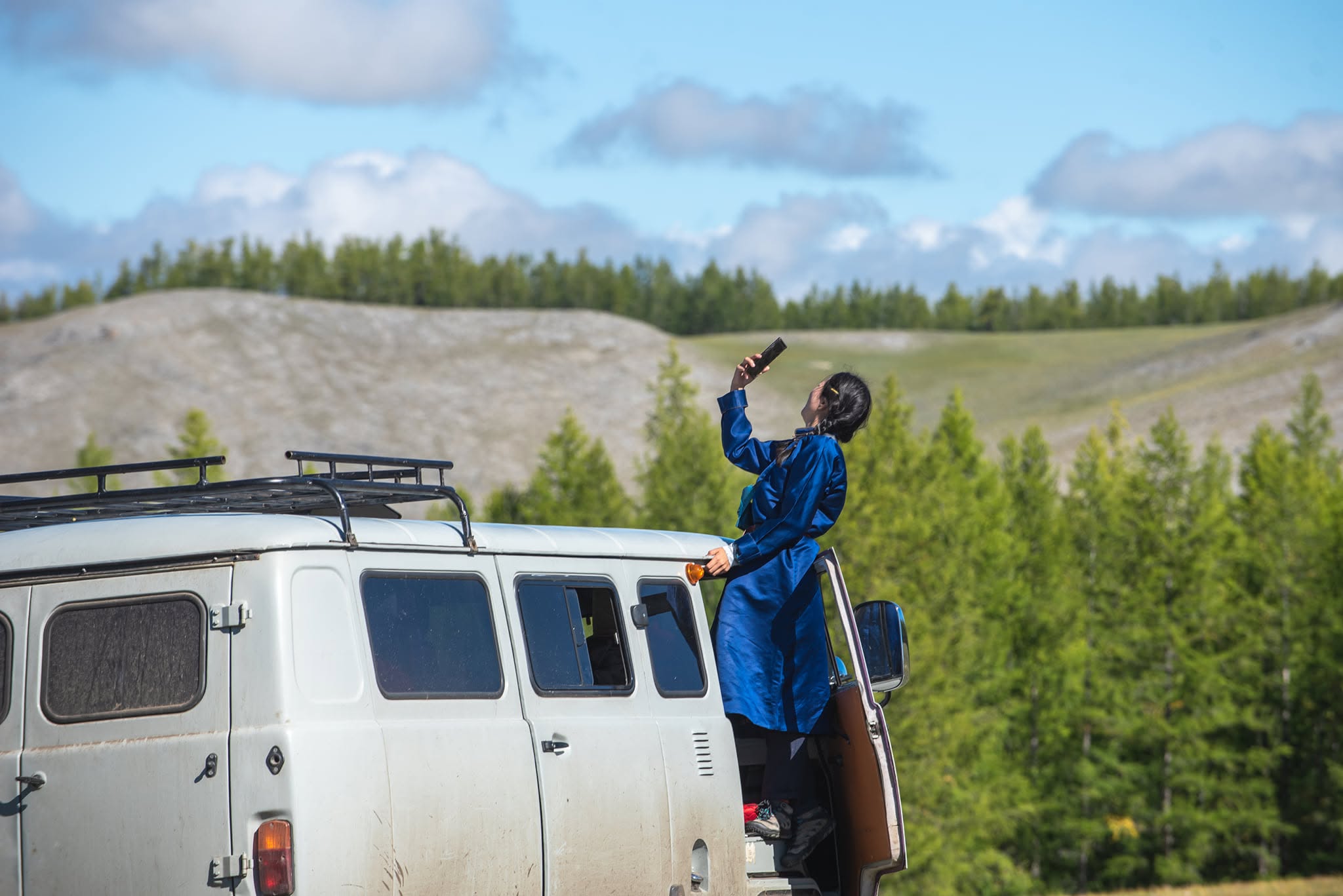
Mobile networks and internet services are generally available in Ulaanbaatar and larger towns. However, in remote natural areas, mobile coverage may be weak or completely unavailable.
This can make it difficult to contact family and friends, use online payment services or access maps and other online information.
Before travelling to remote areas, it is a good idea to download anything you may need.
Travel tips:
-
Download offline maps before leaving the city.
-
Save the contact details and addresses of your accommodation.
-
Bring a power bank and charging equipment.
-
Share your planned route with family or friends before travelling to remote areas.
7. Flexibility Is Important When Travelling in Mongolia
Mongolia's natural beauty is extraordinary, but not everything always goes according to plan.
Heavy rain may affect road conditions. Strong winds, rising river levels or vehicle problems may also require changes to the itinerary.
When travelling in remote areas, safety must always come first.
A well-organised trip is not simply about following a timetable perfectly. It is also about making sensible decisions and adapting to changing conditions.
Travel tips:
-
Avoid overly tight itineraries.
-
Allow some flexibility in your travel schedule whenever possible.
-
Listen to the advice of your guide and driver.
-
Respect local weather and natural conditions.
8. Is Mongolia the Right Destination for You?
Mongolia does not offer the same type of travel experience to everyone.
If you prefer comfortable hotels, a wide choice of restaurants and the convenience of city services, travelling to remote rural areas may be different from what you expect.
However, Mongolia can be an unforgettable destination if you:
-
Enjoy spending time in vast, open natural landscapes.
-
Want to discover a different culture and experience nomadic life.
-
Are comfortable with long drives and relatively simple facilities.
-
Love adventure and want to explore mountains, lakes, deserts and grasslands.
-
Want to experience something different from everyday life.
For travellers who appreciate nature, space and authentic experiences, Mongolia can offer memories that last a lifetime.
Final Thoughts: Experience the Real Mongolia, Not Just the Pictures
The beauty of Mongolia is about much more than its spectacular scenery.
It is the feeling of space, the silence of nature, the traditions of nomadic life and the opportunity to slow down and experience a different rhythm of living.
At the same time, travelling here may involve long drives, simple accommodation in remote areas and adapting to changing weather conditions.
We believe visitors should understand these realities before arriving. With the right information, realistic expectations and proper preparation, you can make better choices and enjoy your journey much more.
Don't wait until you arrive to discover what Mongolia is really like. Learn about it before you go.
Discover the Real Mongolia with Summit
Summit organises travel experiences across Mongolia, including the Gobi Desert, Altai Tavan Bogd, Lake Khövsgöl and other remarkable natural destinations.
We can help you plan a trip based on your preferred destinations, travel dates, accommodation requirements, transportation and itinerary.
Ask questions, understand the conditions and choose a journey that suits your interests and expectations.
Prepare well, travel with an open mind and discover the real Mongolia with Summit.