How Difficult Is Mountaineering in Mongolia? A Guide to Beginner-Friendly Peaks, Fitness Requirements, and Altitude Sickness
Mountaineering in Mongolia offers a wide range of experiences, from trekking across vast grasslands and exploring spectacular mountain landscapes to undertaking challenging high-altitude climbs on glaciers.
One of the country's most remarkable destinations is the Tavan Bogd mountain range in the Altai Mountains. Khüiten Peak, the highest mountain in Mongolia at 4,374 meters (14,350 feet), is an ambitious goal for mountaineers seeking a memorable high-altitude adventure.
However, the difficulty of climbing in Mongolia cannot be judged by elevation alone. Glacier conditions, rocky terrain, weather, daily hiking distances, equipment weight, and altitude acclimatization all influence the level of challenge.
This guide explains the characteristics of Mongolia's major mountain destinations, the fitness required for different types of trips, how to prepare physically, and how to reduce the risk of altitude sickness. Whether you are planning your first trekking adventure in Mongolia or preparing for a technical summit attempt, this information will help you plan more confidently.
How Difficult Is Mountaineering in Mongolia?
Mongolia offers a variety of mountain experiences, ranging from relatively accessible trekking routes to demanding glacier climbs that require specialized mountaineering skills.
When choosing a route, consider more than just the summit elevation. Daily walking hours, elevation gain, terrain, weather conditions, accommodation, and access to emergency assistance are also important.

Khüiten Peak (4,374 m) — A Challenge for Experienced Mountaineers
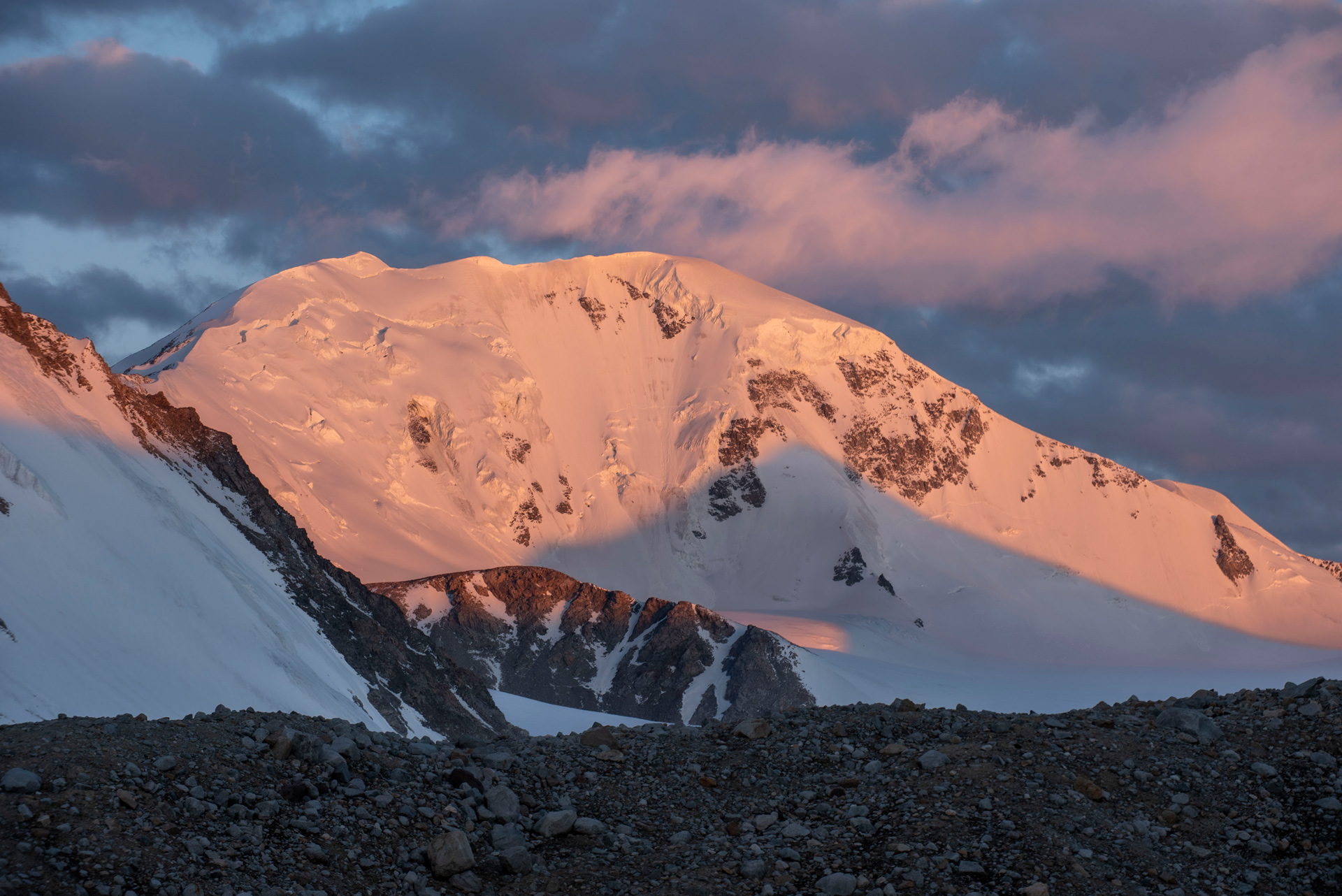
Khüiten Peak is the highest mountain in Mongolia, located in the Tavan Bogd mountain range in the country's western Altai region.
Glaciers cover parts of the surrounding high mountain terrain. Depending on the route and current conditions, climbers may need crampons, ice axes, ropes, and the skills required for safe glacier travel.
Unlike a mountain climbed primarily on established hiking trails, Khüiten Peak may require technical mountaineering experience, appropriate equipment, and careful decision-making by an experienced mountain guide.
Reaching the mountain also involves considerable travel through remote terrain. A suitable itinerary should include not only the climbing days but also approach days and additional time for unfavorable weather.
Anyone planning to climb Khüiten Peak should prepare for sustained physical effort, high-altitude conditions, and the technical demands of the chosen route.
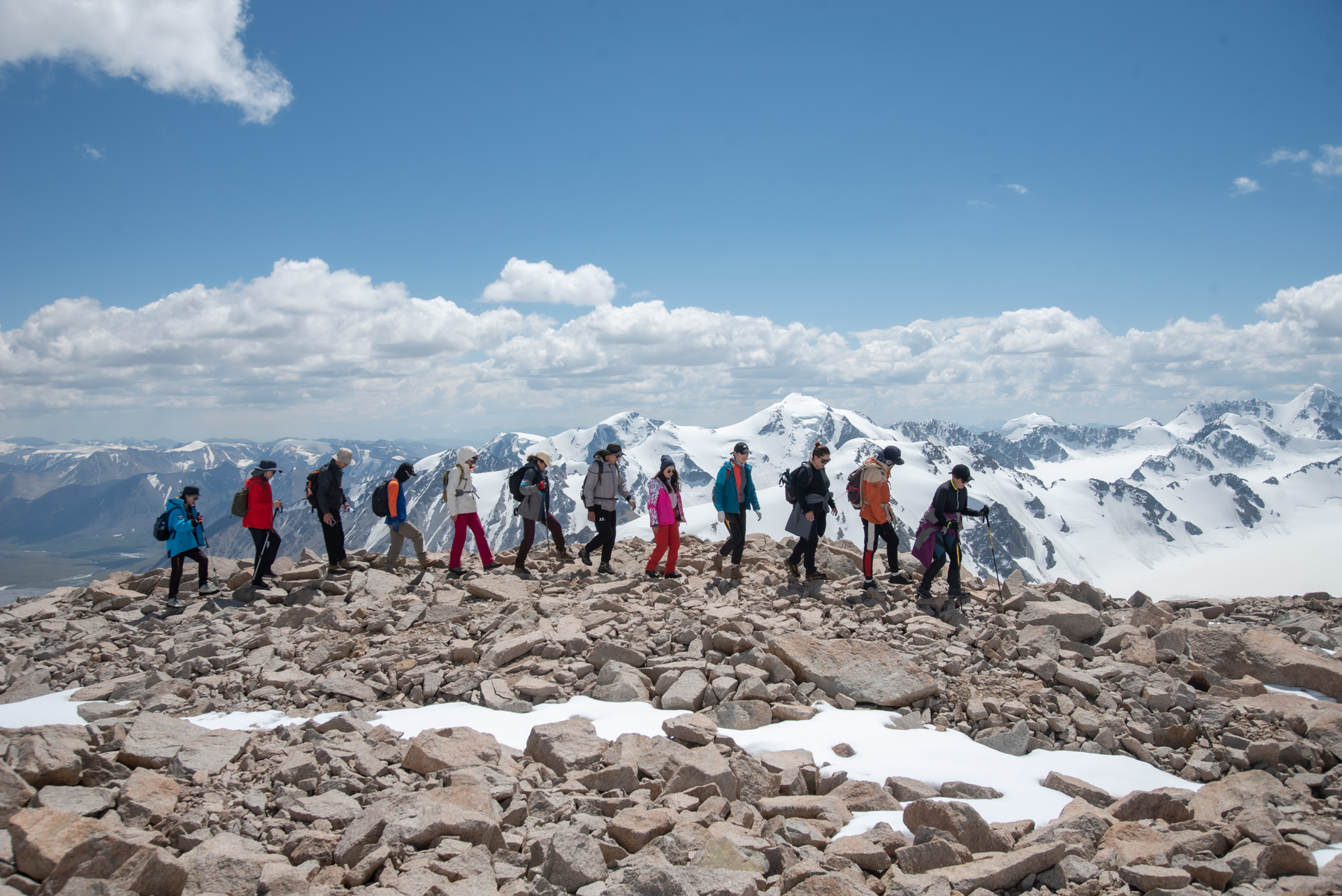
Malchin Peak (Approximately 4,050 m) — An Introduction to High-Altitude Mountaineering
Malchin Peak is another well-known summit in the Tavan Bogd mountain range. Compared with Khüiten Peak, the commonly used route may involve less technical climbing and may not require the same level of glacier-climbing expertise.
Nevertheless, Malchin Peak rises above 4,000 meters, so physical exertion and altitude-related risks remain significant. Rocky slopes, steep sections, and changing weather can affect the difficulty of the ascent.
For travelers who are new to high-altitude mountaineering in Mongolia, Malchin Peak may be worth considering, depending on their previous hiking experience, fitness, and the current route conditions.
Consulting an experienced local guide can help you determine whether the route is appropriate for your abilities.
The Tavan Bogd Mountains — From Trekking to Technical Climbing
The Tavan Bogd mountain range is one of Mongolia's most impressive mountain destinations. Its attractions include glaciers, high peaks, broad valleys, and opportunities to experience the region's distinctive natural and cultural landscapes.
Depending on your interests and experience, you can plan a trekking journey focused on mountain scenery or a more demanding expedition involving one or more summits.
Climbing multiple peaks requires additional time and preparation. Fatigue can accumulate over consecutive days, and changing weather may affect the entire itinerary. It is important to consider the demands of the full expedition rather than evaluating each summit in isolation.
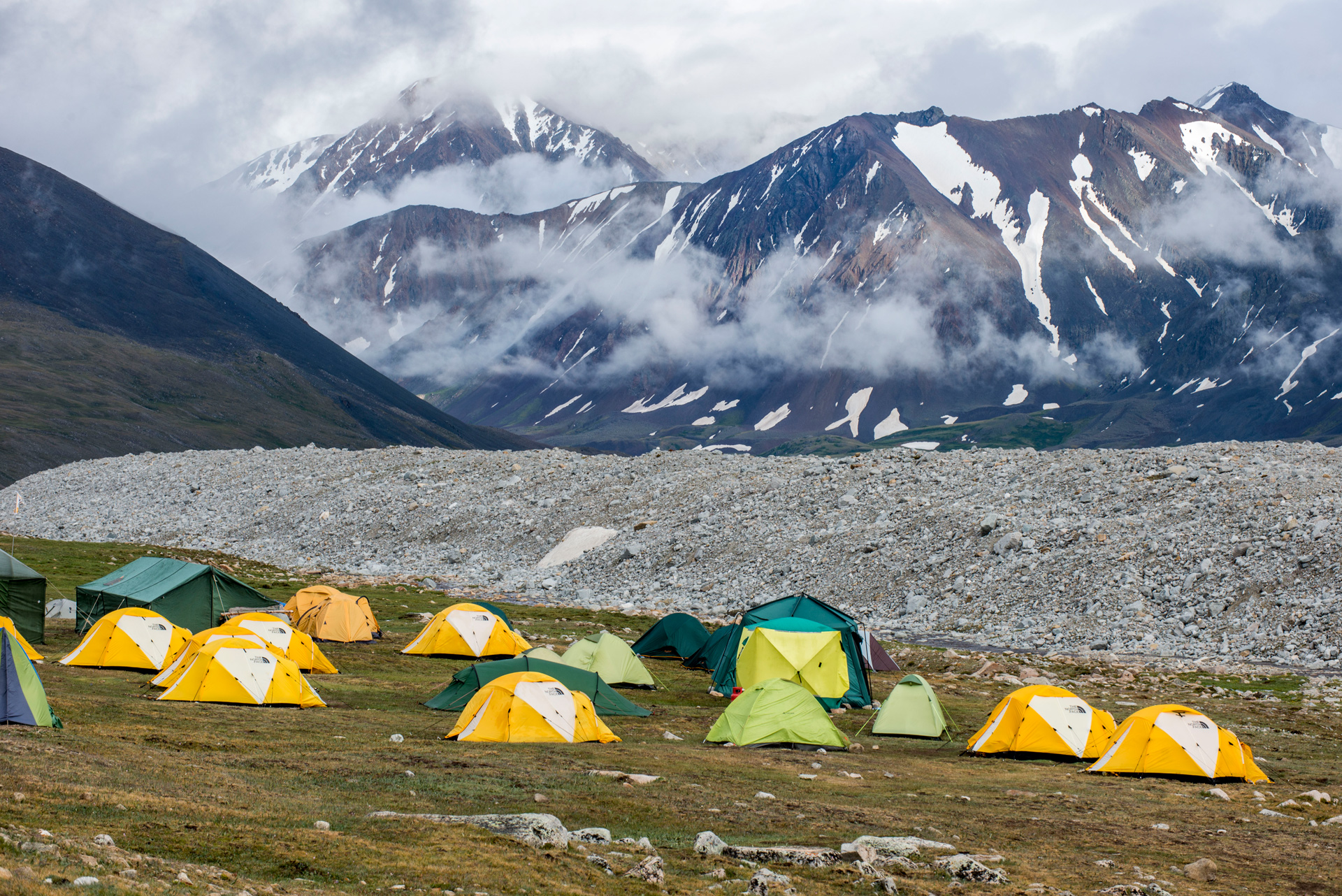
How Fit Do You Need to Be for Mountaineering in Mongolia?
The fitness required depends on the route, altitude, length of the trip, and weight of your backpack.
Some shorter trekking routes can be suitable for people who regularly walk and maintain a reasonable level of fitness. Multi-day high-altitude expeditions, however, require greater endurance and the ability to continue moving safely over several consecutive days.
For demanding mountain trips, daily activity may last approximately six to eight hours, although actual walking times vary considerably depending on the terrain, weather, and route.
Three Important Physical Abilities
1. Cardiovascular endurance
Good cardiovascular endurance helps you maintain a steady pace during long days on the trail. Walking, hiking, cycling, and other aerobic activities are useful ways to build endurance gradually.
2. Leg strength and balance
Steep slopes, uneven ground, and rocky trails require strong legs and good balance. Exercises such as stair climbing, squats, and uphill walking can help prepare your body for these conditions.
3. The ability to walk for extended periods
Short workouts alone may not prepare you for a full day in the mountains. Practice longer walks and day hikes, preferably wearing the hiking boots and backpack you intend to use during your trip.
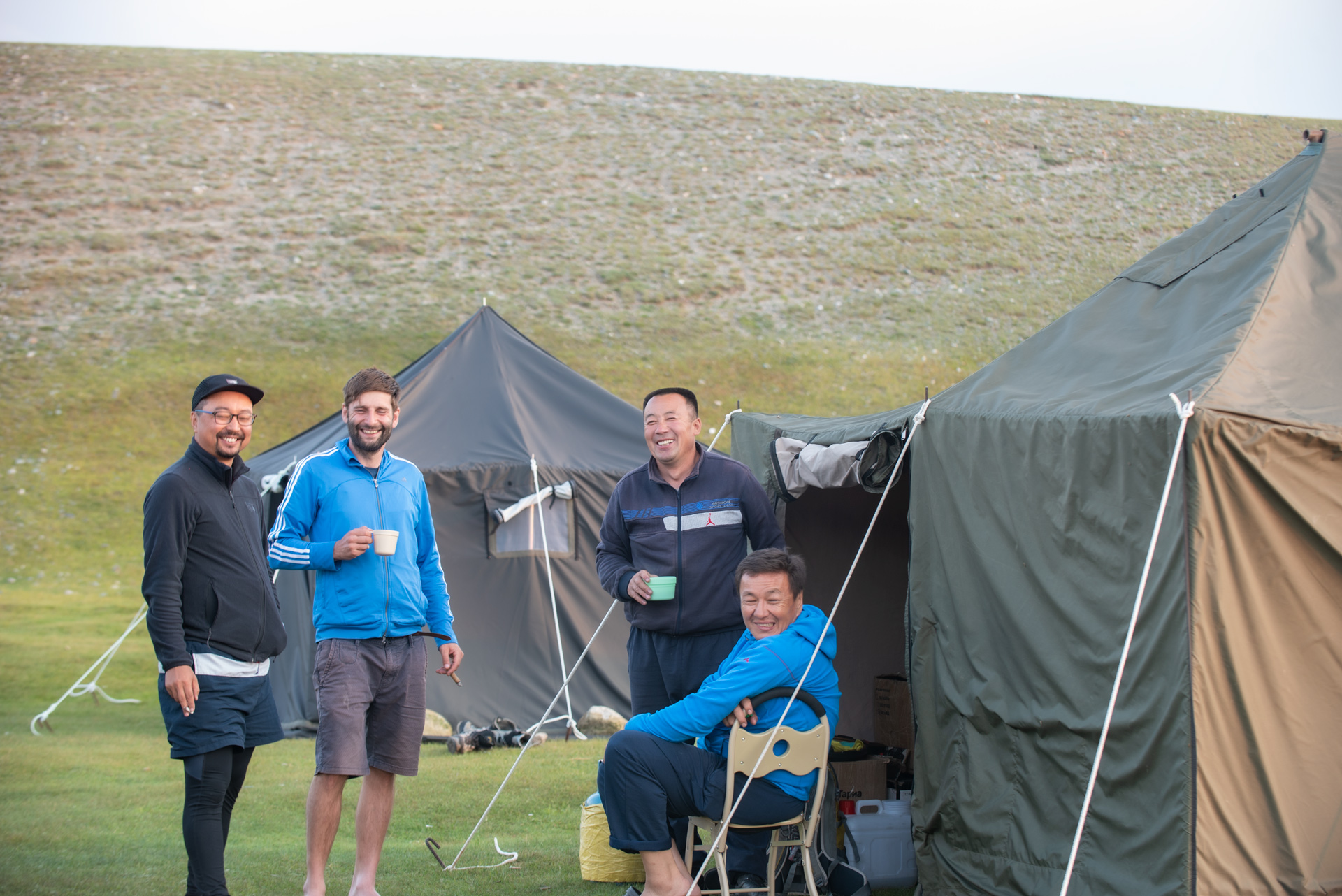
How to Train Before Your Mongolia Trek or Climb
If you are planning a demanding mountaineering trip, starting your preparation two to three months before departure can be a useful guideline. Depending on your current fitness and experience, you may need to begin earlier.
A practical training routine may include:
-
Walking or other aerobic exercise two to three times per week.
-
Stair climbing and uphill walking to strengthen your legs.
-
Weekend hikes to build endurance over longer distances.
-
Practicing with your hiking boots and backpack.
-
Allowing enough time for rest, recovery, and sleep.
Increase the duration and intensity of your training gradually rather than attempting long or strenuous workouts immediately.
Remember that physical fitness does not guarantee rapid acclimatization to high altitude. Training and altitude acclimatization are two separate parts of preparation, and both deserve attention.
Altitude Acclimatization and Altitude Sickness Prevention
As elevation increases, atmospheric pressure decreases. Although the proportion of oxygen in the air remains approximately the same, each breath delivers less oxygen to your body.
Altitude acclimatization is the process by which your body adjusts to these conditions. If you ascend too quickly, you may develop acute mountain sickness (AMS) or other serious altitude-related illnesses.
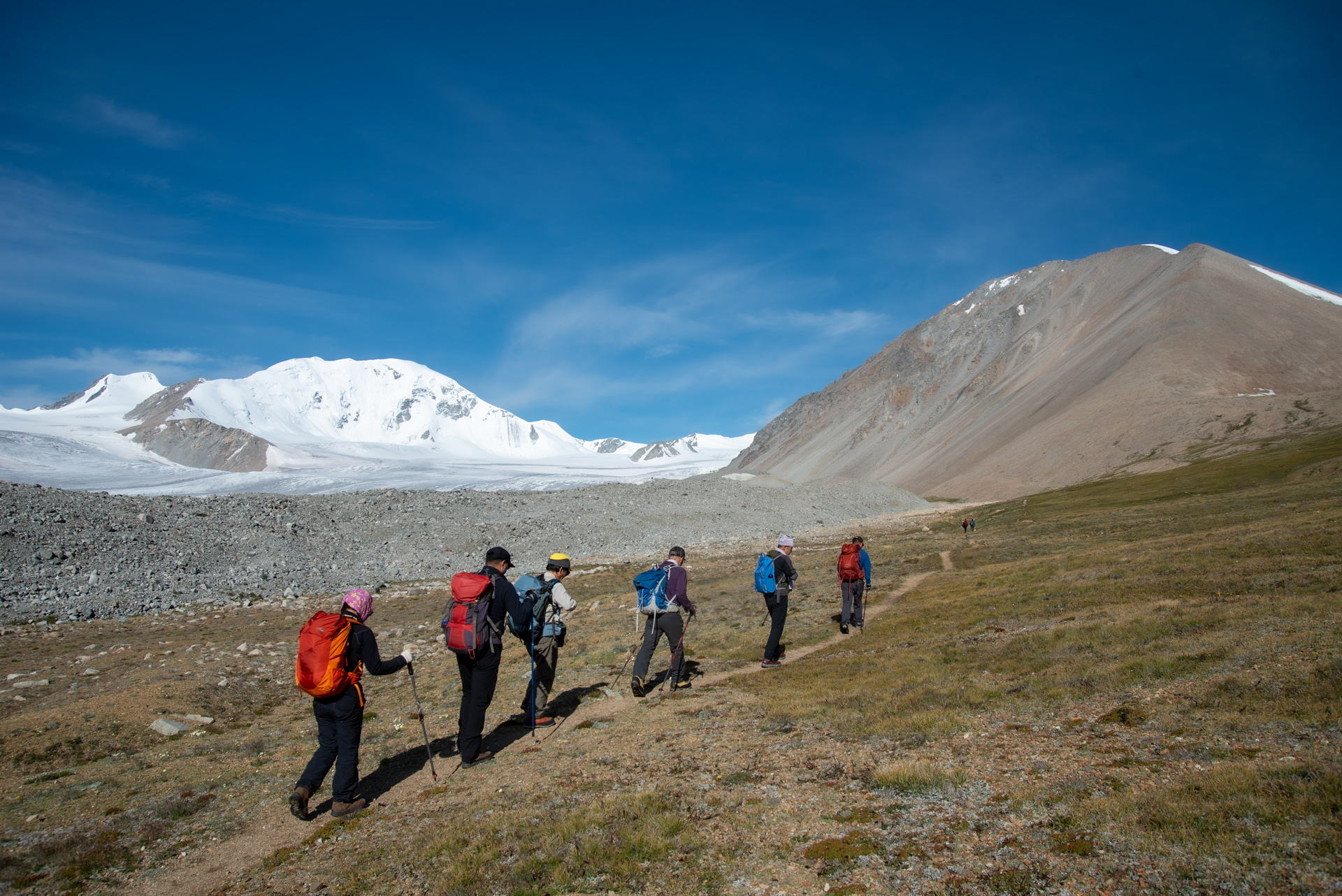
Basic Principles of Altitude Acclimatization
To reduce the risk of altitude sickness, keep the following principles in mind:
-
Avoid rapid increases in sleeping elevation once you reach high-altitude areas.
-
Above approximately 3,000 meters, a commonly recommended guideline is to increase sleeping elevation by no more than about 500 meters per day.
-
Allow additional acclimatization days during longer ascents.
-
Maintain adequate food and fluid intake and avoid excessive fatigue.
-
If symptoms develop, do not continue ascending until the situation has been assessed.
These are general guidelines, not guarantees of safety. The appropriate ascent rate depends on your previous altitude exposure, sleeping elevations, itinerary, and individual response to altitude.
Common Symptoms of Altitude Sickness
Possible symptoms include:
-
Headache.
-
Nausea or loss of appetite.
-
Dizziness.
-
Unusual or severe fatigue.
-
Disturbed sleep.
If symptoms occur, stop ascending and assess your condition carefully. If symptoms persist or worsen, descending to a lower elevation may be necessary.
Severe breathlessness at rest, confusion, or difficulty walking in a straight line can indicate a life-threatening altitude-related illness. In such cases, begin descending immediately and seek emergency medical assistance as quickly as possible.
The key to altitude safety is to recognize symptoms early, avoid pushing through them, and make conservative decisions.
Tips for First-Time Visitors to Mongolia's Mountains
If this is your first mountain adventure in Mongolia, you do not necessarily need to begin with the country's highest summit. A trekking route or a mountain that matches your current fitness and experience may be a better starting point.
Before choosing a trip, consider the following:
-
Daily walking time and elevation gain.
-
Terrain, including rocky sections and glaciers.
-
Accommodation, meals, and luggage transportation.
-
Time allocated for altitude acclimatization.
-
Extra days for unfavorable weather.
-
Your guide's experience and emergency response arrangements.
The Altai region of western Mongolia offers spectacular mountain scenery, glaciers, and vast natural landscapes. However, some areas are remote, with limited access to medical facilities and communication services.
Working with a knowledgeable local guide and allowing flexibility in your itinerary can help you respond appropriately to changes in weather, terrain, and physical condition.
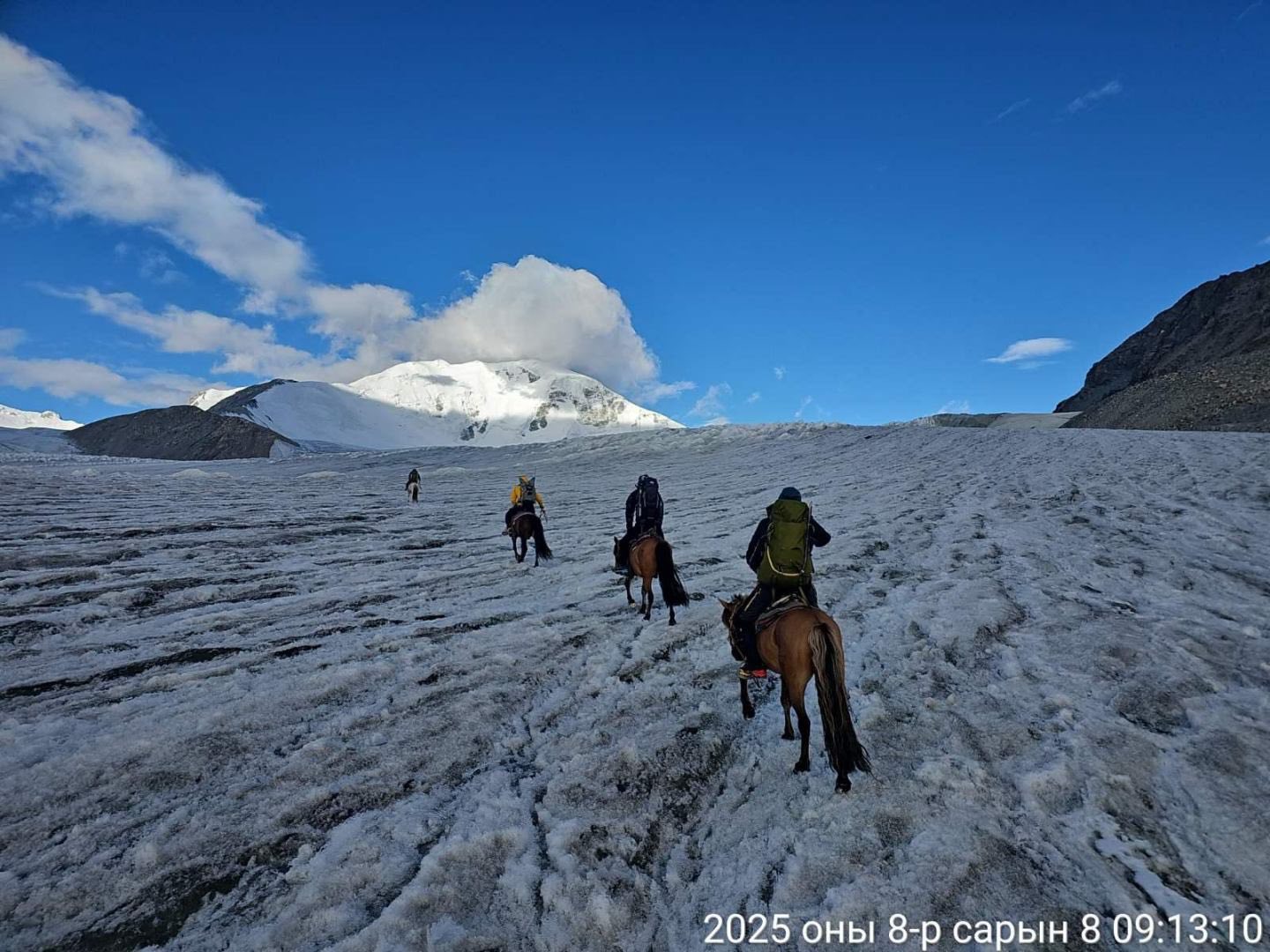
Advanced Mountaineering Routes in Mongolia
For climbers with suitable experience, Khüiten Peak and multi-summit expeditions in the Tavan Bogd mountain range can provide rewarding mountaineering challenges.
Depending on the route and glacier conditions, climbing Khüiten Peak may require crampons, an ice axe, ropes, and the technical knowledge needed for glacier travel. Carrying the equipment is not enough; climbers must also know how to use it correctly.
Multi-summit expeditions introduce additional challenges, including accumulated fatigue, changing weather, food and equipment logistics, and the need for an adequate acclimatization schedule.
Even for experienced mountaineers, reaching the summit should never take priority over safety. Be prepared to change your plans or turn back when weather, terrain, or physical conditions make continuing unsafe.
What to Consider When Planning a Mongolia Mountaineering Trip
Weather conditions in Mongolia's mountain regions can change quickly. The difference between daytime and nighttime temperatures may be substantial, and strong winds or sudden storms can make a route significantly more difficult.
Depending on your itinerary, essential equipment may include:
-
Insulating layers and suitable cold-weather clothing.
-
Waterproof outerwear.
-
Appropriate hiking boots or mountaineering boots.
-
Sun protection, including sunglasses, a hat, and sunscreen.
-
Trekking poles and a suitable backpack.
-
Technical climbing equipment when required by the route.
Travel to remote trailheads can also take considerable time. Your itinerary should account for transportation, food supplies, luggage logistics, accommodation, and access to emergency support.
A safe and enjoyable mountain adventure depends on appropriate equipment, adequate physical preparation, realistic scheduling, and sound decisions based on local conditions.
Frequently Asked Questions
Is mountaineering in Mongolia more difficult than climbing Mount Fuji?
It depends on the mountain and route. Khüiten Peak reaches 4,374 meters and may require glacier-travel skills and technical mountaineering equipment, making it very different from climbing Mount Fuji on a standard hiking route. Mongolia also offers trekking routes that do not require the same technical skills.
How fit do I need to be for a Mongolia mountaineering trip?
Requirements range from moderate fitness for shorter treks to strong endurance for demanding mountain expeditions. Some routes may involve six to eight hours of activity per day. Regular walking, hiking, and uphill training can help you prepare.
Can beginners climb mountains in Mongolia?
Yes, beginners can enjoy Mongolia's mountain landscapes by choosing a route appropriate to their experience and fitness. However, mountains above 4,000 meters present altitude-related risks even on routes without technical climbing. Proper preparation, acclimatization, and suitable guiding are important.
How can I prevent altitude sickness?
Ascend gradually, plan appropriate acclimatization days, and avoid increasing sleeping elevation too quickly. If symptoms develop, stop ascending. Persistent or worsening symptoms may require descent, while severe symptoms require immediate descent and urgent medical assistance.
When is the best time for mountaineering in Mongolia?
The best season depends on the mountain, route, and type of activity. For high-altitude climbing in the Altai Mountains, snow conditions, glacier conditions, temperatures, wind, and the forecast should all be considered. Check local conditions before finalizing your itinerary.
Plan Your Mongolia Mountaineering or Trekking Adventure
Mongolia offers extraordinary opportunities to experience pristine mountain landscapes, from scenic trekking routes to challenging high-altitude expeditions.
Mongolian Mountain Summit organizes mountain and trekking experiences in Mongolia, with itineraries tailored to travelers' interests, experience, fitness levels, and available time.
Whether you are planning your first trekking adventure in Mongolia, hoping to climb Khüiten Peak, or looking for a route that matches your abilities, we can help you explore suitable options.
Contact us to discuss routes, required equipment, trip duration, and altitude acclimatization for your planned adventure.
Please note that summit attempts and route selection depend on climbing experience, weather, mountain conditions, and safety considerations.
Interested in climbing or trekking in Mongolia? Contact Mongolian Mountain Summit to start planning your adventure.