Mongolia Travel Safety & Health Guide
How to Prepare for Altitude, Vaccinations, Travel Insurance, and Emergencies
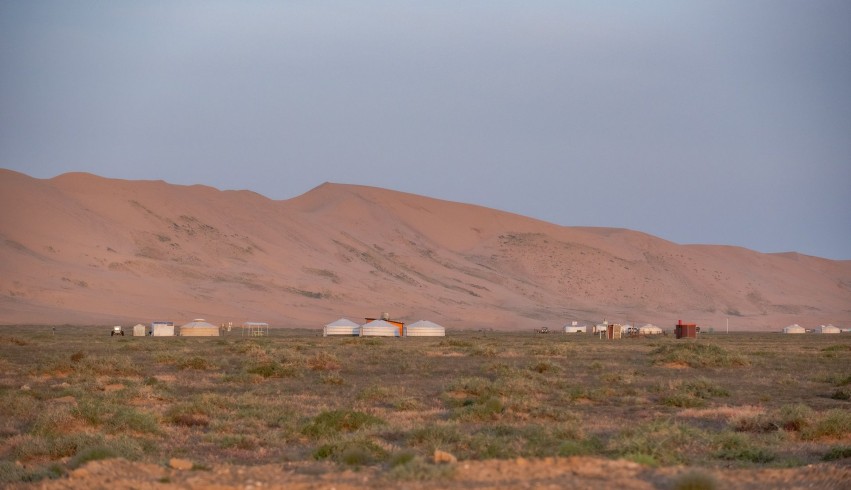
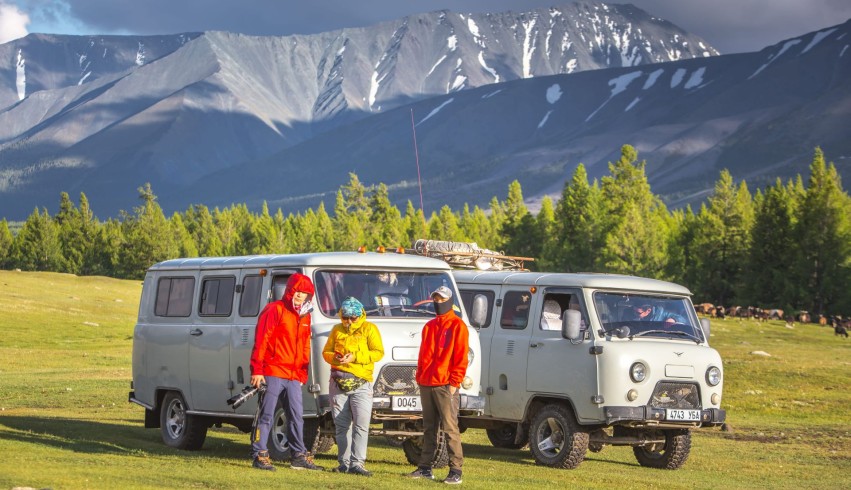
Mongolia is a remarkable destination known for its vast open landscapes, nomadic culture, mountains, deserts, and pristine natural environment. Whether you are exploring the Gobi Desert, trekking in the Altai Mountains, visiting Lake Khövsgöl, or experiencing life with nomadic families, proper preparation is essential for a safe and enjoyable journey.
Mongolia's climate, long distances, remote travel routes, and changing weather conditions can present challenges for visitors. This guide covers important health and safety information to help you prepare before and during your trip.
1. Health Preparation Before Traveling to Mongolia
Before traveling to Mongolia, consider your health condition, planned activities, and the regions you intend to visit.
If you have a chronic medical condition, take prescription medication, or plan to participate in high-altitude trekking or mountaineering, consult your doctor before departure.
Recommended Vaccinations
There are no universal vaccination requirements for every traveler entering Mongolia. However, certain vaccinations may be recommended depending on your health history, travel plans, and activities.
Common vaccinations to discuss with your healthcare provider include:
-
Hepatitis A: Recommended for many travelers who have not previously been vaccinated.
-
Hepatitis B: Worth considering for travelers who are not vaccinated, particularly for longer stays or situations involving potential exposure to blood or bodily fluids.
-
Typhoid: May be recommended for travelers visiting rural areas, staying with local families, or traveling where food and water hygiene may be uncertain.
-
Rabies: Consider pre-exposure vaccination if you expect frequent contact with animals or will travel in remote areas where access to medical treatment may be limited.
-
Tick-borne encephalitis (TBE): May be relevant for travelers spending extended periods outdoors in tick-risk areas, particularly during warmer months.
Vaccination recommendations depend on individual circumstances. Consult a travel medicine clinic or healthcare professional several weeks before departure.
2. Altitude Sickness and High-Altitude Trekking
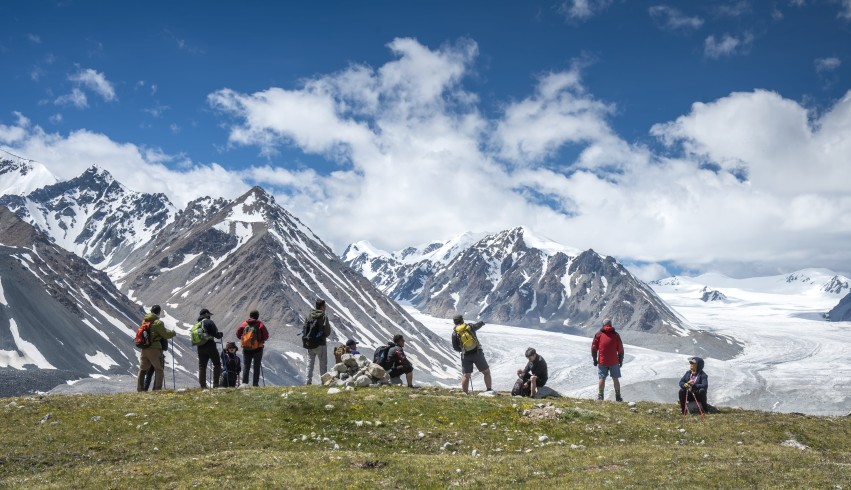
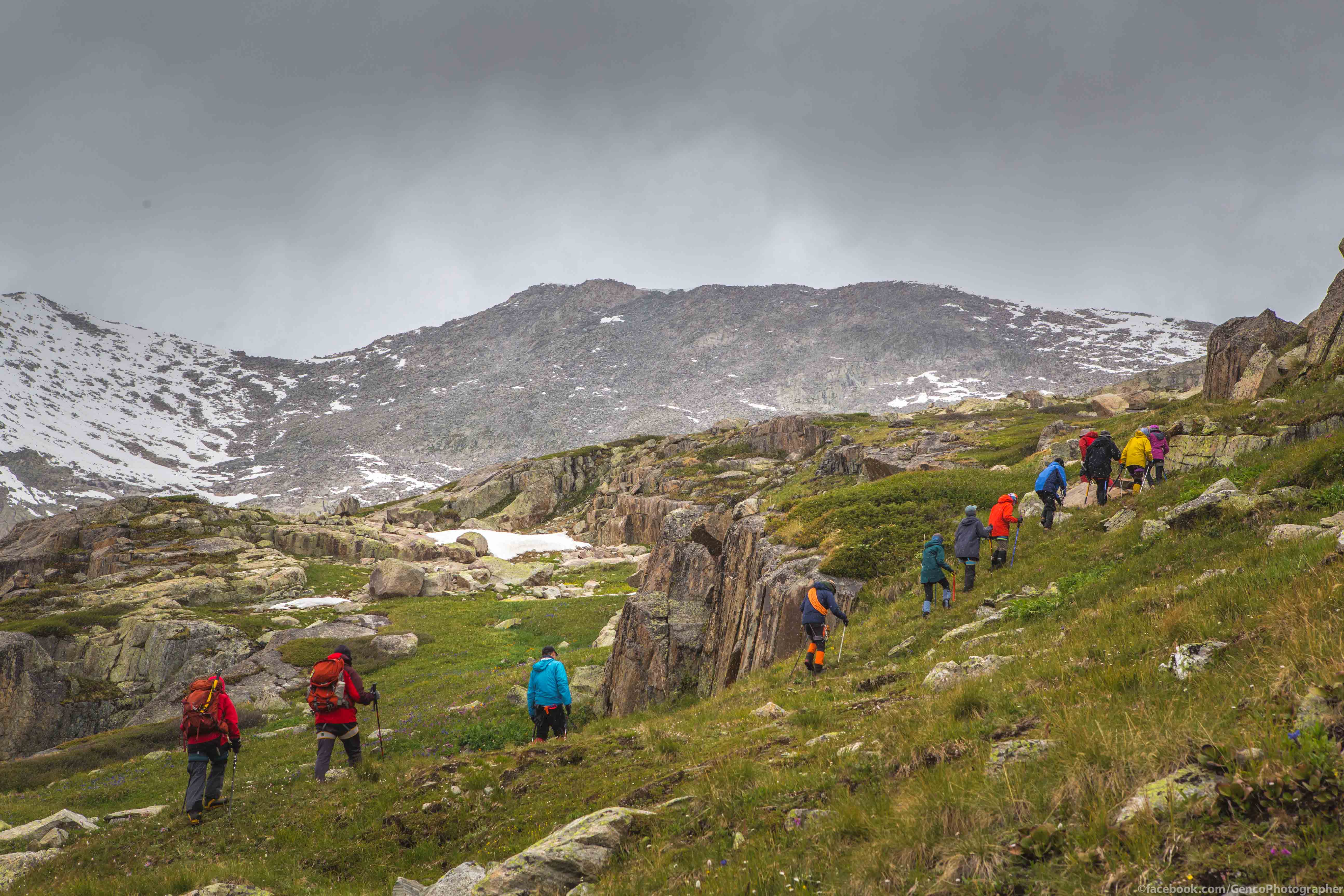
Mongolia offers many opportunities for trekking and mountaineering, especially in the Altai Mountains. Some destinations, including the Tavan Bogd Mountains, involve high-altitude environments.
Altitude sickness can affect anyone, regardless of age or physical fitness. It occurs when the body has difficulty adapting to reduced oxygen levels at higher elevations.
Common Symptoms of Altitude Sickness
Be aware of the following symptoms:
-
Headache
-
Dizziness
-
Nausea or vomiting
-
Loss of appetite
-
Unusual tiredness
-
Difficulty sleeping
-
Shortness of breath during activity
How to Reduce the Risk
-
Ascend gradually and allow your body time to acclimatize.
-
Avoid strenuous activity immediately after reaching a higher altitude.
-
Drink enough water and maintain regular meals.
-
Avoid excessive alcohol consumption.
-
Do not ignore headaches, nausea, or unusual fatigue.
-
Follow your guide's instructions and planned acclimatization schedule.
Above approximately 3,000 meters, increasing your sleeping altitude gradually is particularly important. A commonly used guideline is to avoid increasing sleeping altitude by more than around 500 meters per day, while including acclimatization days as needed.

When to Seek Emergency Assistance
Severe altitude sickness can be life-threatening. Warning signs include:
-
Difficulty breathing even while resting
-
Confusion or unusual behavior
-
Difficulty walking or maintaining balance
-
Severe weakness
-
A persistent cough or chest congestion
If these symptoms occur, stop ascending and seek immediate medical assistance. Descent to a lower altitude and urgent medical evaluation may be necessary.
For high-altitude trekking, travel with experienced local guides who understand the terrain, weather, and emergency procedures.
3. Food and Drinking Water Safety
Mongolian cuisine offers a variety of traditional dishes, including meat, dairy products, soups, and dumplings. Trying local food is an important part of the travel experience.
However, travelers should take care with food and drinking water, particularly when visiting remote areas.
Food Safety Tips
-
Eat freshly prepared and thoroughly cooked meals.
-
Be careful with raw or undercooked meat.
-
Choose dairy products from reliable sources.
-
Wash your hands before eating.
-
Carry hand sanitizer when traveling in remote areas.
Drinking Water
Tap water should not be assumed safe to drink throughout Mongolia.
For safer hydration:
-
Drink bottled, boiled, or properly treated water.
-
Use a reliable water filter or purification method when necessary.
-
Avoid drinking untreated water from rivers, lakes, and streams.
-
Carry enough drinking water during long drives and trekking days.
If you have a sensitive stomach, bring any medication recommended by your healthcare provider.

4. Travel Insurance for Mongolia
Travel insurance is strongly recommended for anyone visiting Mongolia, especially travelers planning trekking, horseback riding, camel riding, or mountaineering.
Medical treatment and emergency evacuation can be expensive, particularly in remote mountain and countryside regions.
Before purchasing insurance, carefully check whether your policy covers:
-
Emergency medical treatment and hospitalization
-
Mountain rescue operations
-
Helicopter evacuation, where available
-
Emergency transportation to a suitable medical facility
-
Medical repatriation to your home country
-
Trekking and mountaineering activities at your planned altitude
-
Horseback riding and other adventure activities, if included in your itinerary
Some standard travel insurance policies exclude high-altitude mountaineering, technical climbing, or activities considered high-risk. Always confirm the exact coverage with your insurance provider.
Japanese travelers should also check the latest travel advice issued by Japan's Ministry of Foreign Affairs. Its Mongolia travel information has highlighted the importance of adequate overseas travel insurance, including substantial medical coverage.
.jpeg)
5. Safety in Ulaanbaatar and Other Cities
Ulaanbaatar is Mongolia's capital and the main starting point for most international visitors.
As in other major cities, travelers should take ordinary precautions against theft and personal safety risks.
We recommend:
-
Keep your passport, cash, and valuables secure.
-
Be cautious in crowded markets, public transportation, and busy areas.
-
Use reliable taxis or pre-arranged transportation.
-
Avoid walking alone in unfamiliar areas late at night.
-
Keep emergency contact information accessible.
-
Follow local laws and respect local customs.
When traveling outside the capital, distances between settlements can be considerable. Mobile phone coverage may be limited or unavailable in some remote regions.
6. Weather Conditions and Outdoor Safety
Mongolia has a continental climate with significant seasonal and regional temperature differences.
Weather can change quickly, especially in mountainous areas. Even during summer, temperatures can drop considerably at night.
Before traveling:
-
Check the weather forecast for your destination.
-
Bring suitable clothing for changing temperatures.
-
Pack waterproof and windproof outer layers.
-
Wear appropriate footwear for your planned activities.
-
Carry sun protection, sunglasses, and a hat.
-
Bring extra water and essential supplies for remote journeys.
For trekking and mountaineering, proper equipment and preparation are particularly important. Follow your guide's advice and never underestimate sudden weather changes.
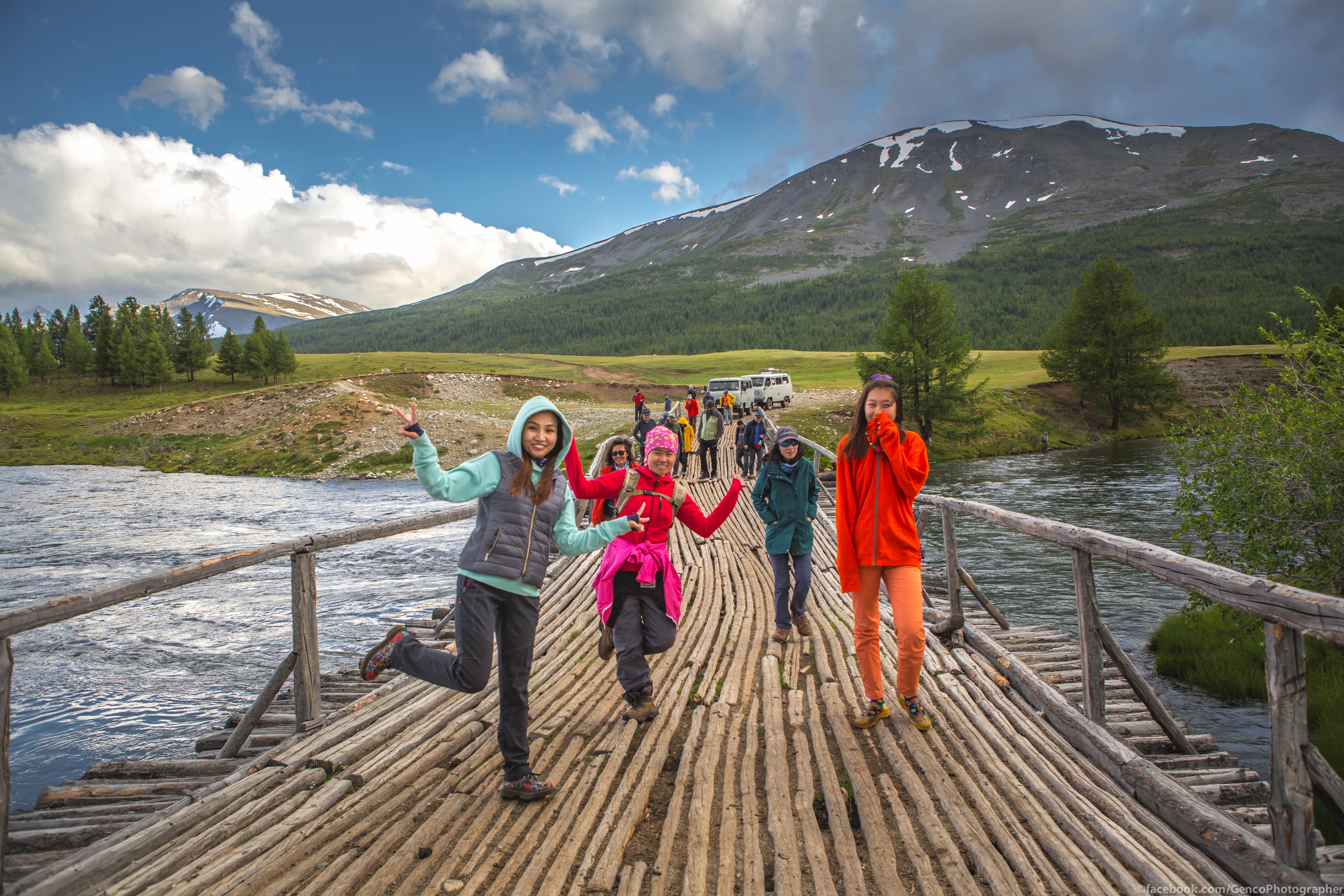
7. Emergency Telephone Numbers in Mongolia
Save the following emergency numbers before starting your journey:
| Service | Emergency Number |
|---|---|
| Police | 102 |
| Ambulance | 103 |
| Fire Department | 101 |
| Emergency Rescue | 105 |
Embassy of Japan in Mongolia
Telephone: +976-11-320777
Travelers from other countries should also save the contact details of their own embassy or consulate in Mongolia.
Please note that communication and emergency response may take longer in remote areas. If you are traveling to isolated destinations, discuss emergency procedures with your tour operator before departure.
8. Travel Safely with Experienced Local Guides
Exploring Mongolia's remote landscapes is an unforgettable experience, but some destinations require careful planning and local knowledge.
Experienced local guides can help travelers with:
-
Route planning and navigation
-
Understanding local weather and terrain
-
Managing trekking and acclimatization schedules
-
Arranging suitable transportation and accommodation
-
Communicating with local communities
-
Responding to unexpected changes during the journey
At Mongolian Mountain Summit, we organize trekking, mountaineering, and adventure tours across Mongolia, including the Altai Mountains, the Gobi Desert, and the Khövsgöl region.
Our tours are planned with consideration for local conditions, travel distances, accommodation, and the needs of each group.
Final Thoughts: Prepare Well and Enjoy Mongolia
Mongolia offers extraordinary opportunities for adventure, cultural discovery, and connection with nature. With proper health preparation, suitable travel insurance, appropriate equipment, and reliable local support, you can enjoy your journey with greater confidence.
Whether you are planning a relaxing countryside trip or a challenging mountain expedition, preparation is the key to a safer and more rewarding experience.
Explore Mongolia with Mongolian Mountain Summit and discover the country's mountains, deserts, lakes, and nomadic culture.