Experience Mongolia's Nomadic Culture: A Guide to the Naadam Festival
The Naadam Festival is one of Mongolia's most celebrated traditional events, held every July. Centered on Mongolian wrestling, horse racing, and archery, this national celebration brings together the country's history, nomadic traditions, and community spirit.
The main dates of the national Naadam Festival in Ulaanbaatar are July 11–13 each year. Visitors can experience powerful wrestling matches, horses racing across the open steppe, traditional clothing, music, and the festive atmosphere that makes Naadam such a memorable part of Mongolian culture.
Naadam is much more than a sporting event. It is a celebration of Mongolia's heritage, featuring traditional food, music, dance, and opportunities for families and communities to come together. In 2010, Naadam was inscribed on UNESCO's Representative List of the Intangible Cultural Heritage of Humanity.
In this guide, we explore the history and meaning of Naadam, the highlights of its three traditional sports, the charm of local festivals, and practical tips for planning your visit.
What Is the Naadam Festival? History and Nomadic Traditions
Naadam is a national celebration deeply connected to Mongolia's history, traditions, and nomadic way of life.
The Mongolian word "Naadam" is associated with games and competitions. Traditional contests of strength and skill have been held for centuries at gatherings and celebrations, eventually developing into the festival celebrated today.
The three central sports are Mongolian wrestling, horse racing, and archery. Each reflects skills and traditions that have developed alongside life on the vast Mongolian steppe, where horses, livestock, and the natural environment have long played an essential role.
Naadam also offers visitors an opportunity to experience traditional clothing known as deel, the sounds of the morin khuur horsehead fiddle, long-song singing, throat singing, folk dance, and traditional cuisine.
In 2010, Naadam was officially inscribed on UNESCO's Representative List of the Intangible Cultural Heritage of Humanity. The festival is an important way to understand Mongolia's cultural identity and the traditions passed down through generations.
Learn more from UNESCO's official Naadam Festival page.
The Three Traditional Sports of Naadam
The heart of Naadam is the traditional trio known as the "Three Manly Games": Mongolian wrestling, horse racing, and archery. Each has its own history, rules, and unique atmosphere.
1. Mongolian Wrestling — Bökh
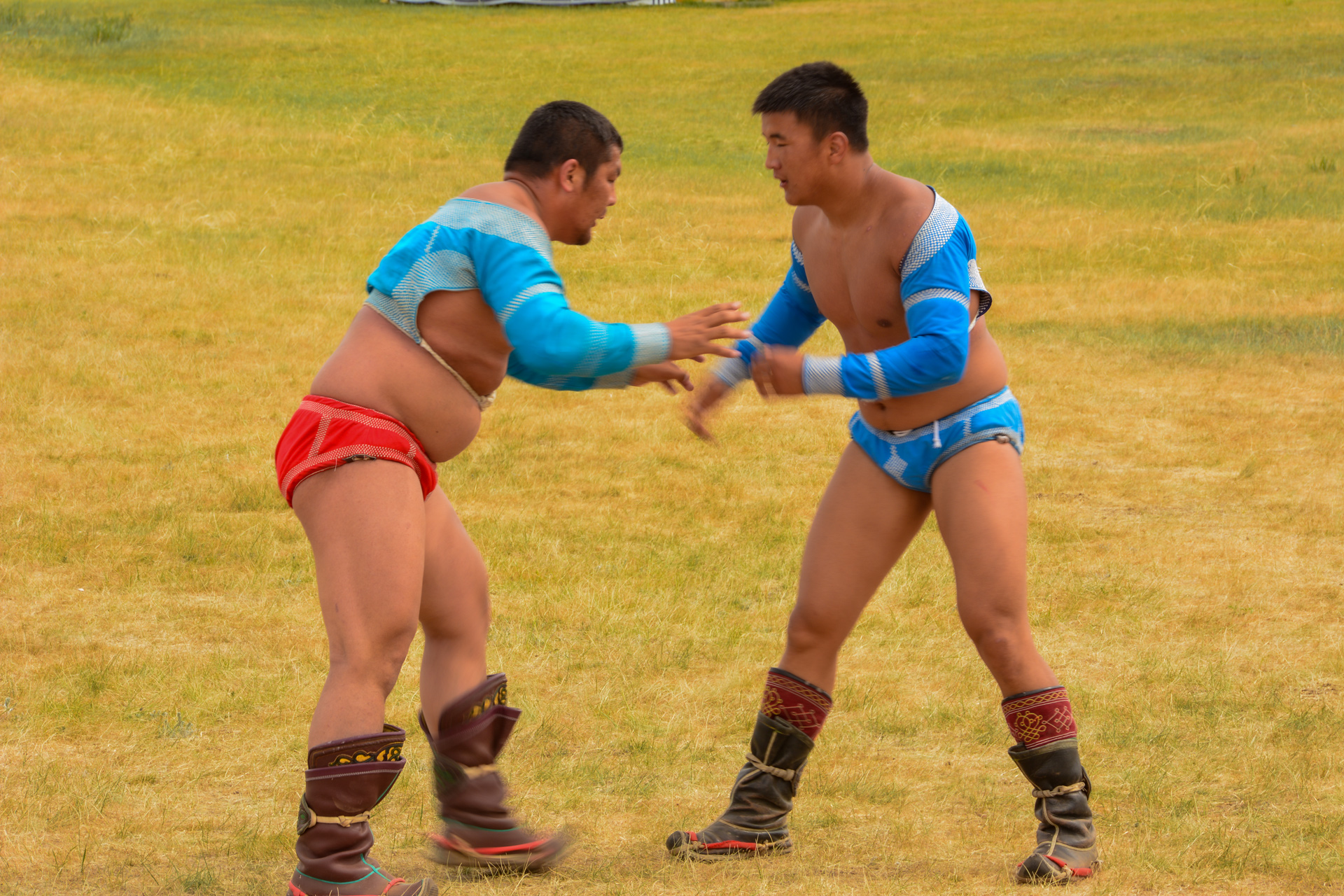
Mongolian wrestling, known as bökh, is one of the most recognizable features of Naadam.
Unlike Japanese sumo, Mongolian wrestling generally has no weight divisions or time limits. A wrestler loses when a part of the body other than the feet touches the ground, according to the competition rules. Strength, balance, agility, and technique are all essential.
At the national Naadam Festival, large numbers of wrestlers compete in knockout rounds, aiming to reach the final and earn prestigious titles. Depending on their achievements, successful wrestlers may receive traditional titles such as Falcon, Elephant, Lion, or Giant.
One of the most distinctive sights is the wrestlers' eagle dance, performed before and after matches. With their arms extended like wings, they move around the arena in a gesture symbolizing strength, pride, and freedom.
Watch the wrestlers' movements, traditional costumes, and ceremonial gestures to appreciate the cultural significance of this ancient sport.
2. Horse Racing — The Spirit of the Open Steppe
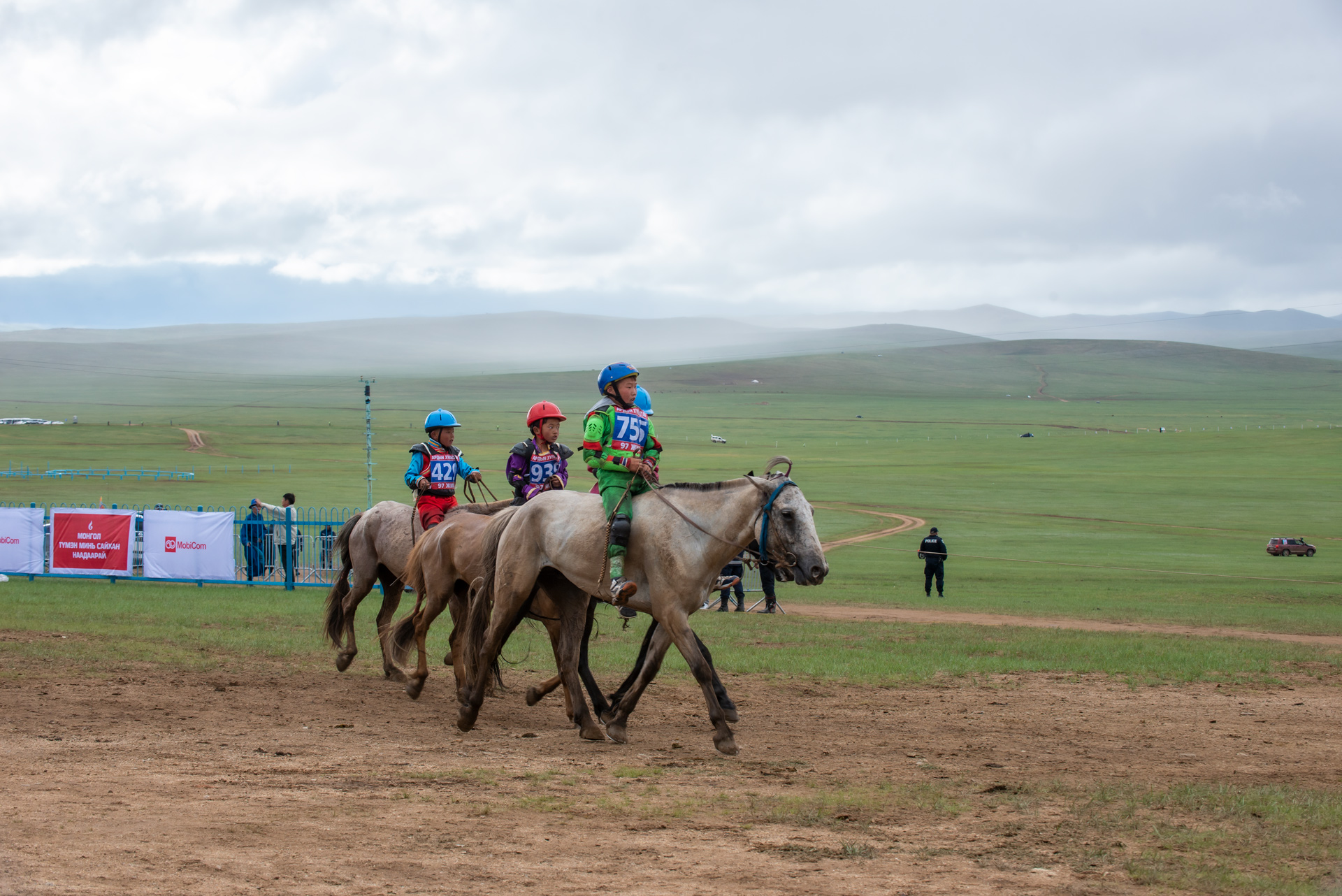
Mongolian horse racing is very different from racing on a conventional track. Races take place across open grasslands and natural terrain, where horses and young jockeys cover long distances.
Race distances vary according to the age category of the horses, and some races extend beyond 20 kilometers. Endurance, training, and the relationship between horse and rider are important elements of the competition.
On race day, spectators gather near the starting and finishing areas to watch the horses cross the vast landscape. The excitement builds as the horses approach the finish line and local supporters cheer for their favorites.
The participation of child jockeys is also an important safety consideration. While horse racing is a long-standing cultural tradition, protecting young riders and improving safety remain significant issues.
Race locations, viewing arrangements, and schedules may vary from year to year. Check the latest local information before planning your visit.
3. Traditional Archery — A Skill Passed Down Through Generations
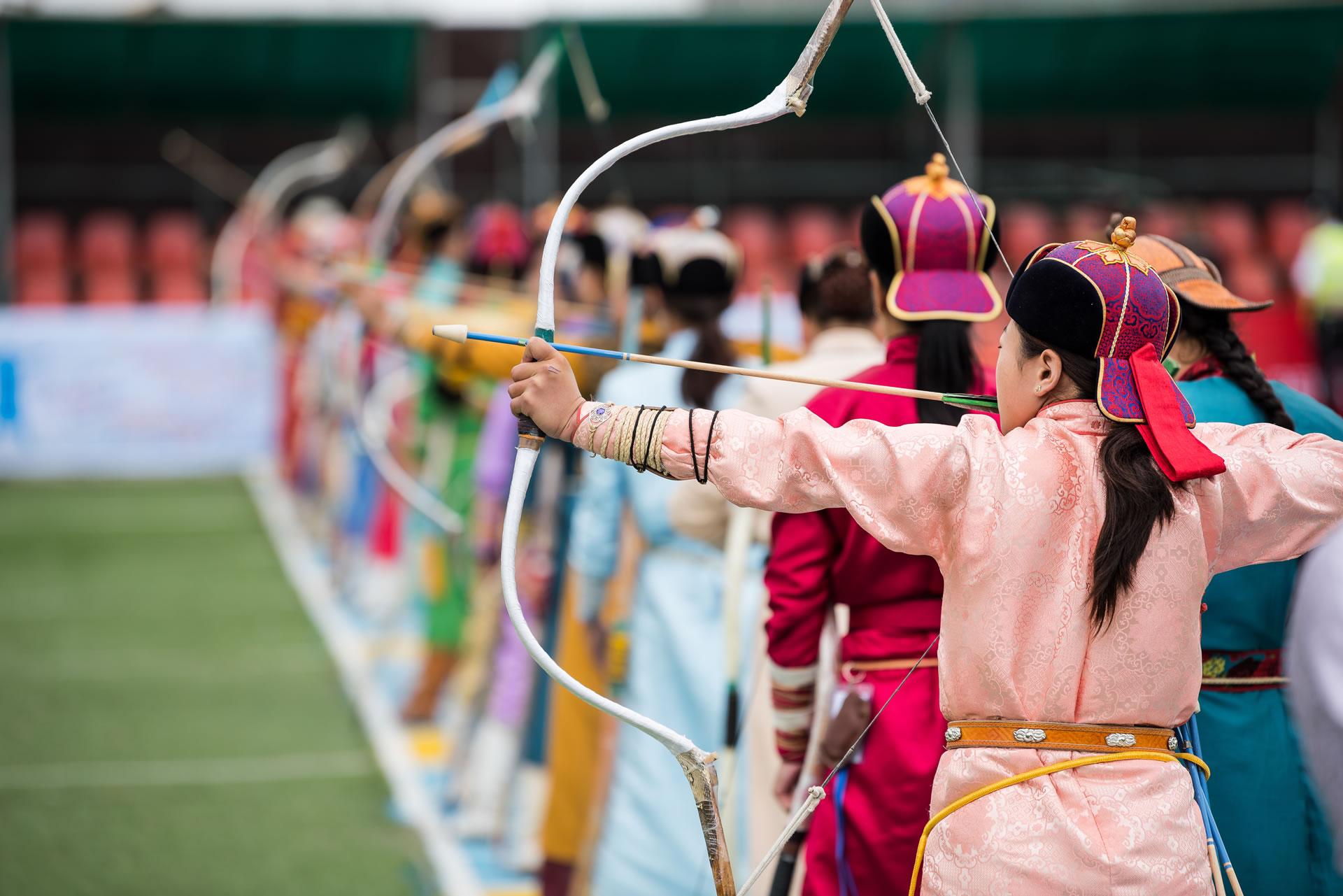
Archery is another defining feature of Naadam. Competitors use traditional bows to aim at targets from designated distances.
Mongolian archery reflects techniques and customs developed over generations. Visitors can appreciate the archers' posture, concentration, precise movements, and the atmosphere surrounding each shot.
Women also participate in archery competitions today, helping keep the tradition alive while broadening participation.
Look beyond the targets themselves and observe the archers' techniques, traditional clothing, and the reactions of spectators. The quiet concentration before an arrow is released creates a memorable contrast with the excitement of wrestling and horse racing.
Ulaanbaatar Naadam vs. Local Naadam Festivals
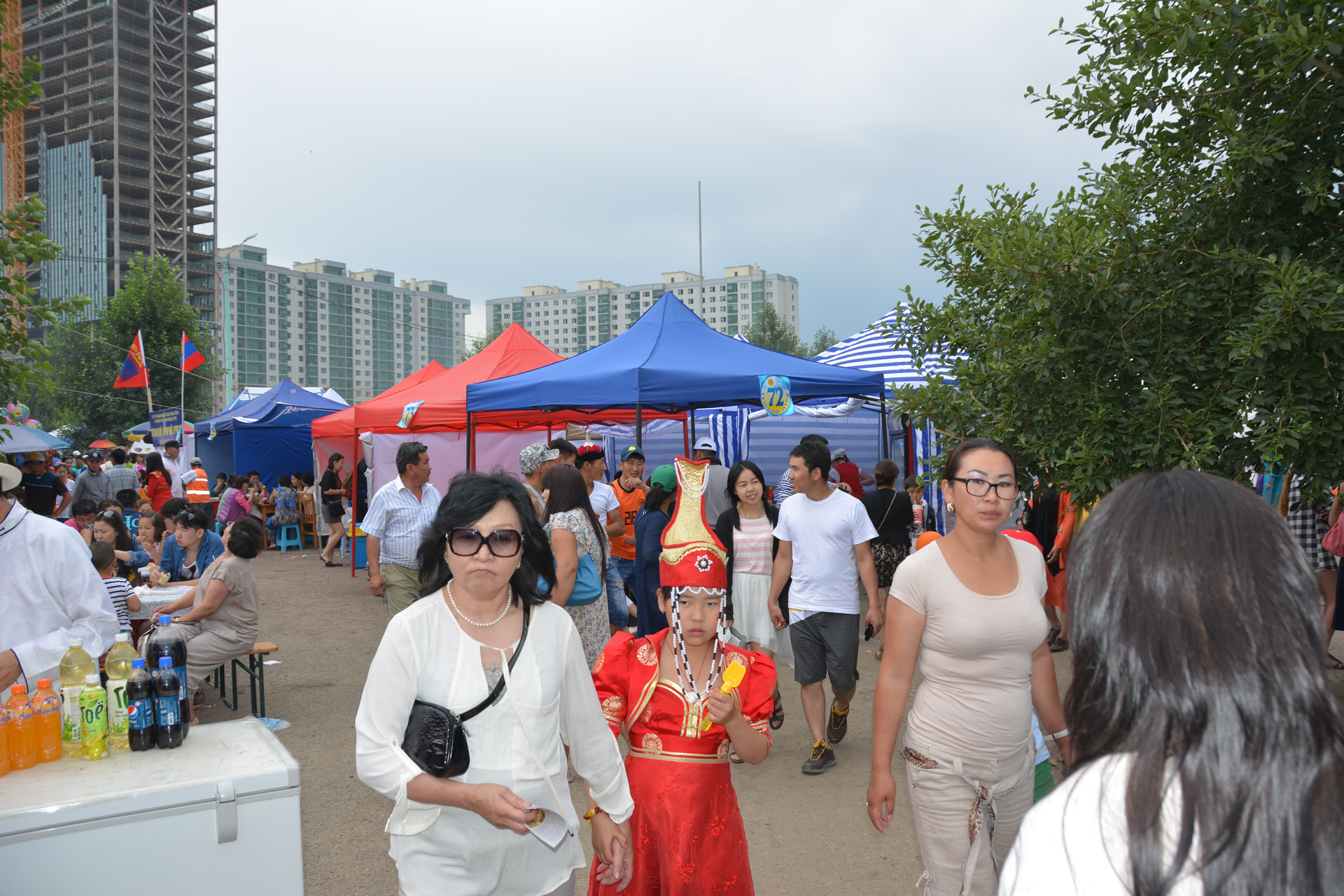
Naadam takes place throughout Mongolia, not only in the capital. The national festival in Ulaanbaatar and smaller regional celebrations offer different experiences.
The National Naadam Festival in Ulaanbaatar
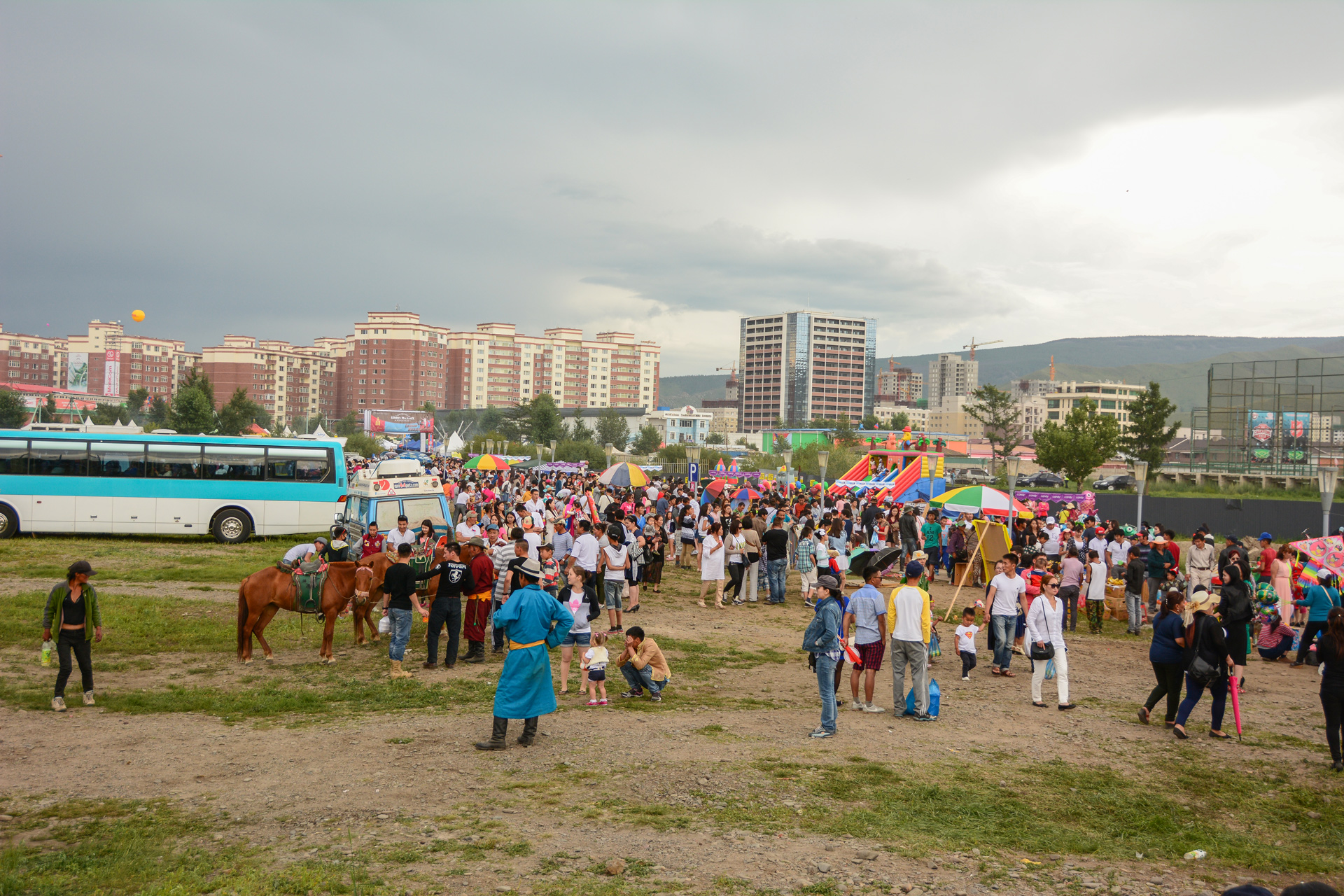
The national Naadam Festival is the largest and most internationally recognized celebration. Visitors from across Mongolia and overseas gather in the capital to enjoy sporting competitions, cultural performances, and festive activities.
The opening ceremony often features traditional costumes, music, dance, ceremonial processions, and impressive displays of Mongolian heritage.
Beyond the main events, visitors can enjoy traditional food, city decorations, and the lively atmosphere throughout Ulaanbaatar.
However, accommodation and transportation can become heavily booked during the festival. Some events, including the opening ceremony, may require tickets. Confirm the latest ticketing arrangements and event schedules before traveling.
Local Naadam Festivals in the Countryside
Regional Naadam festivals offer a different atmosphere, often shaped by the traditions and communities of individual provinces and towns.
Local residents gather to watch competitions, celebrate with family and friends, and enjoy the festivities. Depending on the location, visitors may find a more intimate setting and opportunities to observe local traditions at close range.
These celebrations can be a wonderful way to experience the cultural side of Mongolia beyond the capital.
However, local Naadam dates are not uniform across the country and can change each year. Confirm the schedule for your chosen destination before finalizing your itinerary.
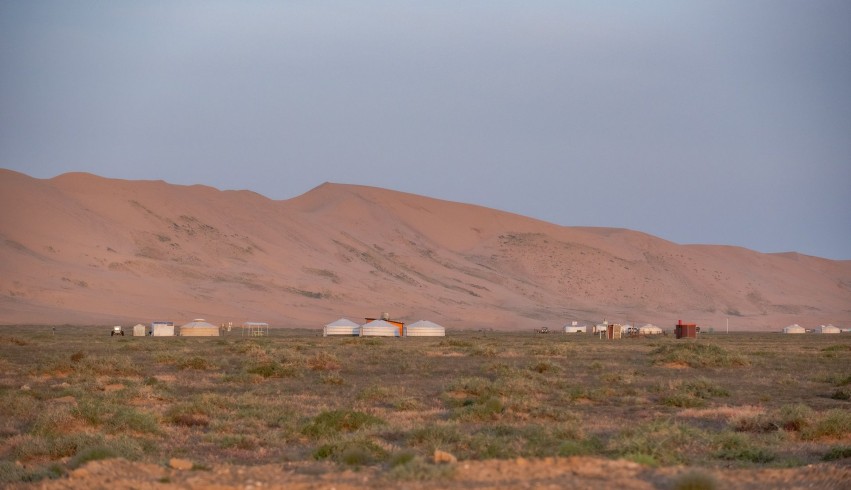
Combining a local festival with a journey across the steppe, through the Gobi Desert, or into the mountains can create a more varied and memorable trip.
Traditional Food and Cultural Experiences at Naadam
Naadam is not only about sports. It is also an opportunity to experience Mongolian food, music, clothing, and community life.
Khushuur and Traditional Mongolian Food
One of the best-known festival foods is khuushuur, a deep-fried pastry filled with meat. It is particularly popular during Naadam, when food stalls serve freshly prepared portions to festivalgoers.
Depending on the location, visitors may also find traditional dairy products and other local specialties.
Enjoying food among local families and spectators is a simple but rewarding way to experience the festival atmosphere.
Deel — Traditional Mongolian Clothing
The deel is Mongolia's traditional garment and an important part of the country's cultural identity.
Deels come in a variety of colors, fabrics, and patterns. Accessories such as belts and hats add to their distinctive appearance, and styles can vary according to personal preference and regional traditions.
During Naadam, many people wear their finest traditional clothing, making the festival a wonderful opportunity to appreciate Mongolian design and craftsmanship.
If you wish to photograph local people, ask for their permission first and respect their wishes.
Traditional Music and Dance
Naadam may also feature traditional Mongolian performing arts, including the morin khuur horsehead fiddle, long-song singing, throat singing, and folk dance.
These performances reveal another dimension of Mongolian heritage beyond the sporting competitions. If performances are available during your visit, consider including them in your festival itinerary.
How to Plan a Trip Around the Naadam Festival
If Naadam is the main reason for your visit to Mongolia, build your travel plans around the festival dates.
The national Naadam Festival in Ulaanbaatar centers on July 11–13 each year. You can extend your trip before or after the celebrations to explore the grasslands, Gobi Desert, or mountain regions.
When planning your visit, consider the following:
-
The dates and locations of the competitions and events you want to see.
-
Whether tickets are required and how they can be purchased.
-
Hotel availability and transportation arrangements.
-
Travel times and road conditions for regional festivals.
-
Clothing and equipment suitable for changing weather.
-
Additional destinations you would like to visit before or after Naadam.
Accommodation and vehicle demand can increase significantly during the festival, so early planning is recommended.
For local festivals, check not only the dates but also the journey to the venue, road conditions, and available transportation.
Mongolian Mountain Summit can help you explore travel options that combine Naadam with nomadic cultural experiences and Mongolia's natural landscapes. Contact us to discuss your preferred dates, destinations, and travel interests.
You may also find our guide to travel costs useful when planning your budget:
Mongolia Travel Costs: A Guide to Prices and Expenses
What to Wear and Know Before Attending Naadam
Mongolia is generally warm during July, but temperatures can drop in the morning and evening. Strong sunshine, wind, and occasional rain can also affect conditions, so prepare clothing that can be layered.
Consider bringing the following items:
-
A hat and sunglasses.
-
Sunscreen.
-
A long-sleeved shirt and a light insulating jacket.
-
Comfortable walking shoes.
-
Drinking water.
-
Rain protection when appropriate.
-
Cash, a mobile phone, and a portable power bank.
Facilities such as toilets and shops may be limited at some regional venues. Carry the essentials you need and take your rubbish with you to help protect the local environment.
When photographing competitors or local residents, respect their privacy and ask permission when appropriate.
A little preparation will help you enjoy the festival more comfortably and respectfully.
Frequently Asked Questions
When is the Naadam Festival held?
The national Naadam Festival in Ulaanbaatar centers on July 11–13 each year. Regional festivals take place on different dates, so check the schedule for your destination and travel year.
What are the three traditional Naadam sports?
The three traditional sports are Mongolian wrestling (bökh), horse racing, and archery. They are closely connected to Mongolia's history and nomadic traditions.
Is Naadam recognized by UNESCO?
Yes. Naadam was inscribed on UNESCO's Representative List of the Intangible Cultural Heritage of Humanity in 2010. The festival reflects a broad range of cultural traditions, including sports, music, dance, clothing, and food.
Can first-time visitors enjoy the Naadam Festival?
Absolutely. Visitors can watch traditional competitions, sample local food, admire traditional clothing, and experience Mongolian music and culture. Checking ticket requirements and transportation arrangements in advance will make the visit easier.
Can visitors attend local Naadam festivals?
Visitors can attend many regional festivals, depending on local arrangements. Dates, venues, and transportation options vary by location. Confirm the details in advance and respect local customs while attending.
Experience the Naadam Festival and Mongolia's Nomadic Culture
Naadam offers a special opportunity to discover Mongolia's history, traditions, and way of life. From wrestling and horse racing to traditional food, colorful deels, and the open steppe, the festival brings together many of the experiences that make Mongolia unique.
Mongolian Mountain Summit can help you explore travel options centered on Naadam, including opportunities to combine festival visits with nomadic cultural experiences and sightseeing across Mongolia.
Whether you want to attend Naadam for the first time, discover a regional celebration, or combine the festival with a journey through the grasslands, we welcome you to get in touch.
Tell us your preferred travel dates, destinations, and interests so we can discuss suitable travel options.
Ready to experience Mongolia's Naadam Festival? Contact Mongolian Mountain Summit to start planning your trip.
Please note that event schedules, competition arrangements, and visitor access may vary by year and location. Confirm the latest information before traveling.