Key Points
-
The main routes in the Altai Mountains can be broadly categorized into three: the Potanin Glacier Course, the Khoton & Khurgan Lakes Circuit Course, and the Mt. Khuiten Summit Course.
-
Mt. Khuiten, the highest peak in Mongolia at an elevation of 4,374m, is a full-scale mountaineering route requiring technical skills.
-
The Potanin Glacier is the largest in Mongolia, with a total length of 10.4 km, an area of 24.7 km², and a glacier terminus located at an elevation of approximately 2,907m.
-
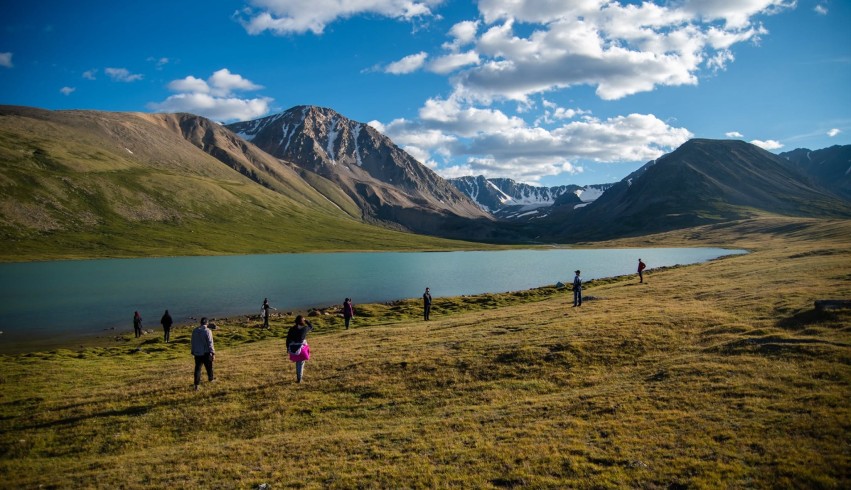
The lake circuit course sits at an elevation in the 2,000-meter range with gentle terrain, making it easy to walk even for those with limited trekking experience.
-
Since difficulty varies based on equipment, acclimatization, and duration, it is crucial to select a route that matches your physical fitness and experience.
If you are unsure about trekking in the Altai Mountains, start by asking yourself two questions: "Do I want to see glaciers up close?" or "Is this my first climb in Mongolia?" The main routes can be organized into three choices: the Potanin Glacier Course, the Khoton & Khurgan Lakes Circuit Course, and the summit course for Mt. Khuiten, Mongolia's highest peak. This article compares distance, elevation, difficulty, duration, and highlights side by side to help you select the single route that perfectly fits your physical condition and experience, serving as a guide for commercial climbers to book with confidence.
Stretching across Bayan-Ölgii Province in westernmost Mongolia, the Altai Mountains center around Altai Tavan Bogd National Park, a region rich in glaciers and high-altitude lakes. The park is a vast protected reserve containing massive glacier complexes and multiple alpine lakes. Because difficulty levels vary widely depending on the route, choosing the right path directly determines your trip satisfaction.
Which are the Main Trekking Routes in the Altai Mountains?
There are three classic routes for trekking in the Altai Mountains: the Potanin Glacier Course for those targeting glaciers, the Khoton & Khurgan Lakes Circuit Course for walking through lakes and steppes, and the Mt. Khuiten Summit Course for reaching the peak. All of these routes are located within Altai Tavan Bogd National Park, with starting points based in Tsengel Village or Ölgii Town. Your route selection will largely depend on whether your objective is glaciers, lakes, or a summit push.
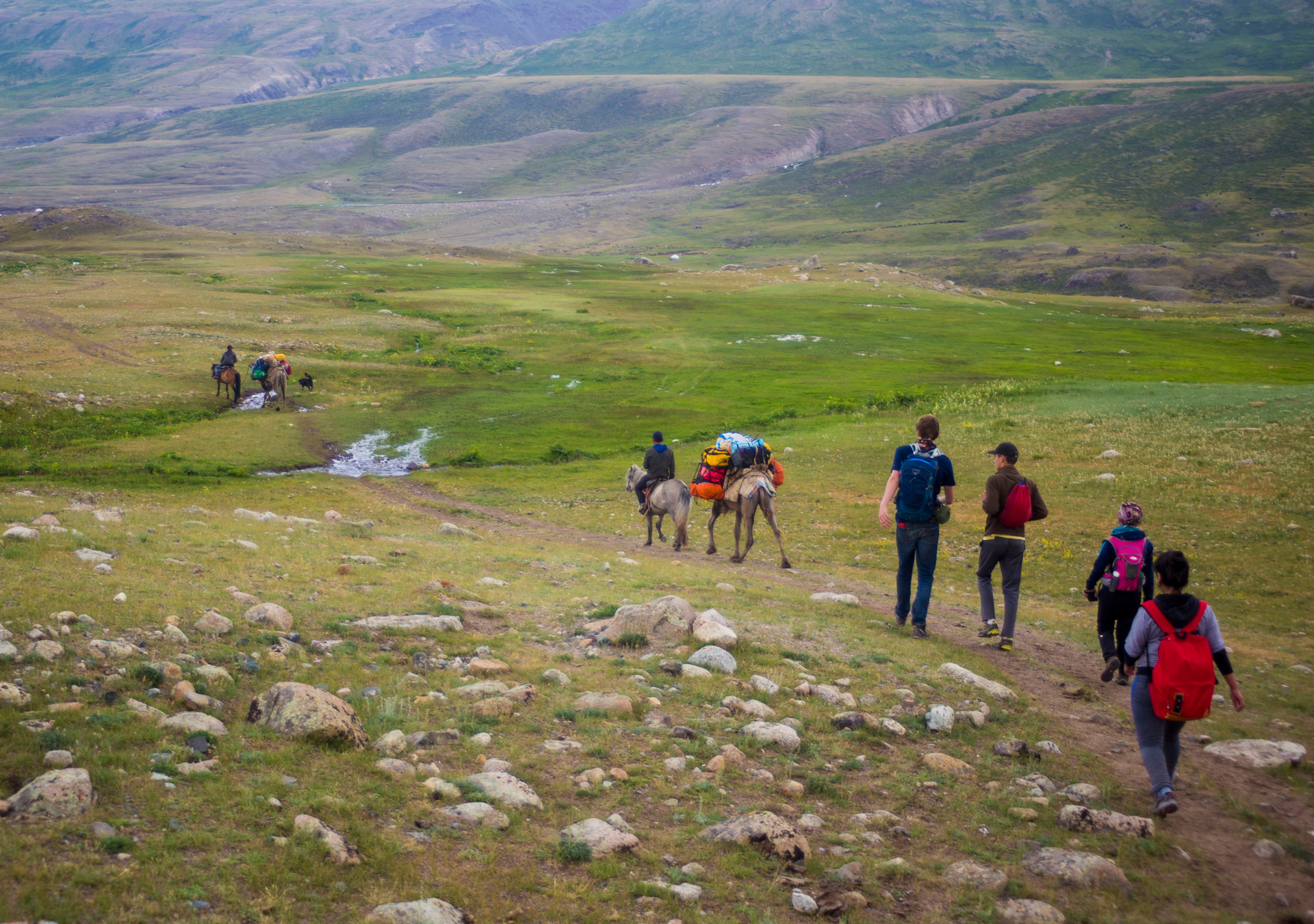
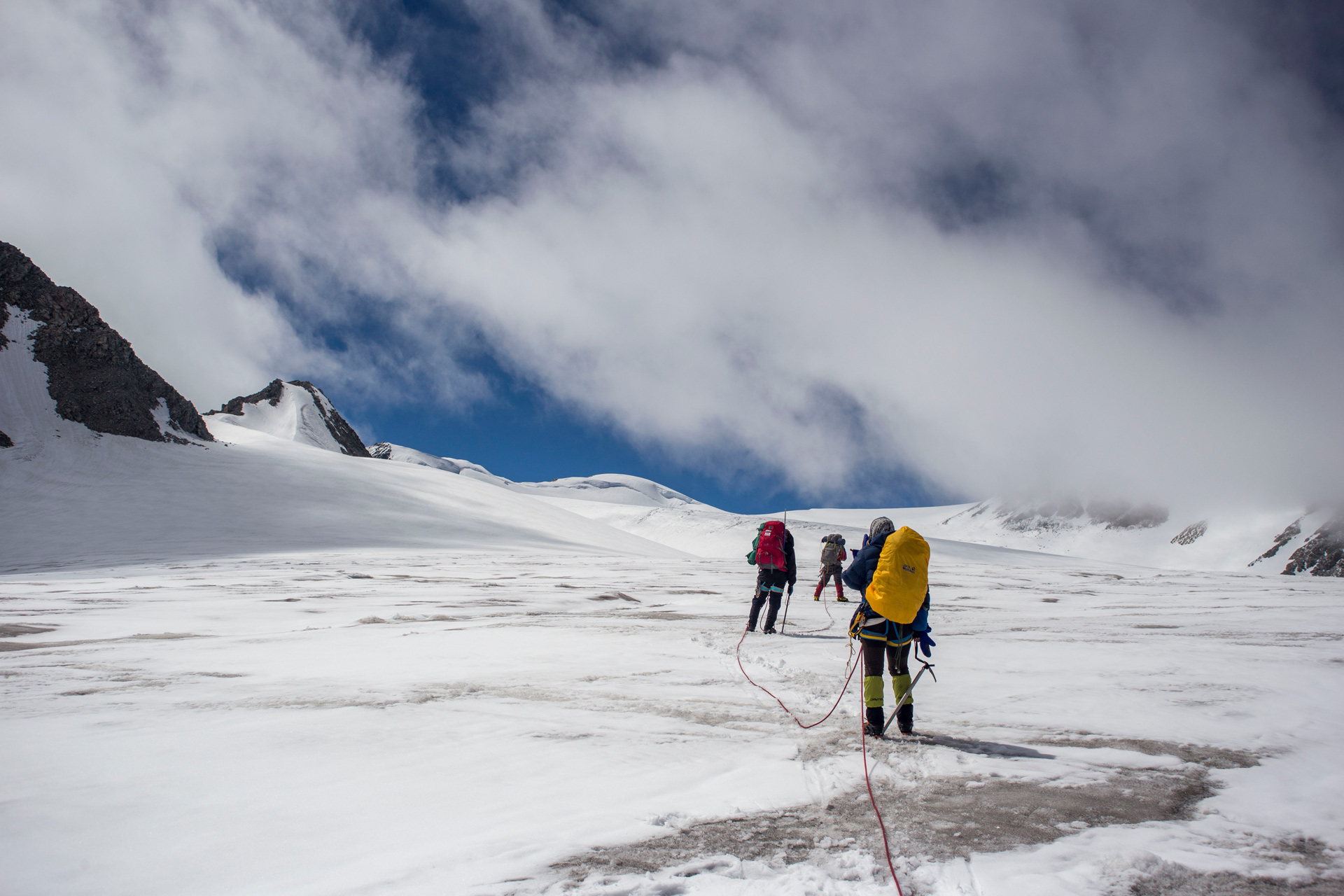
The Potanin Glacier Course is a popular route where you can walk right up to the terminus of Mongolia's largest glacier. The lake circuit course features smaller elevation gains, allowing you to walk while encountering nomadic gers and livestock. The Mt. Khuiten course is a full-scale mountaineering expedition crossing glaciers to reach the peak, requiring a higher level of equipment and technical skill. Depending on whether your goal lies in glaciers, lakes, or summiting, the route options naturally narrow down.
How Do Distance, Elevation, and Difficulty Differ by Course?
Elevations range from the foothill towns up to a maximum of 4,374 meters, with difficulty determined by this elevation gain and the presence of glacier walking. Mt. Khuiten, Mongolia's highest peak at 4,374 meters, requires ice axes and crampons for a serious mountaineering endeavor (Khüiten Peak, Encyclopaedia Britannica). On the other hand, the lake circuit course remains in the 2,000-meter elevation range, presenting virtually no technical obstacles.
Organizing the positioning of these three routes makes their differences clear.
| Route | Elevation Range | Difficulty | Ideal For |
| Khoton & Khurgan Lakes Circuit | Around 2,000m range | Beginner | First-time trekkers |
| Potanin Glacier Course | Up to around 2,900m range | Intermediate | Those who want to see glaciers up close |
| Mt. Khuiten Summit | Max 4,374m | Advanced | Those with climbing experience and physical stamina |
Section Text
Khoton Lake and Khurgan Lake are twin glacial lakes situated in the 2,000-meter elevation range. At this altitude, the risk of altitude sickness is relatively low, and walking hours can easily be adjusted. When choosing the glacier course or the summit course, pre-departure acclimatization and proper cold-weather protection make all the difference between success and failure. If your equipment preparation is insufficient, the perceived difficulty level will jump significantly higher.
What Are the Main Highlights Such as Glaciers and Lakes?
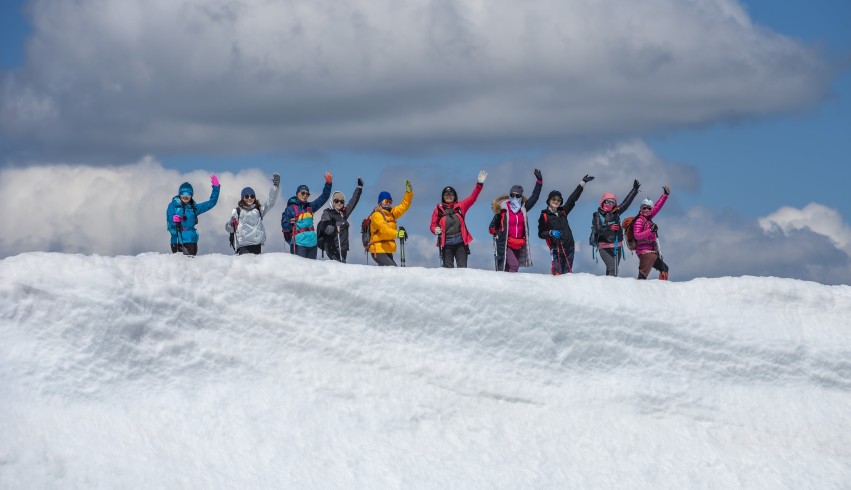
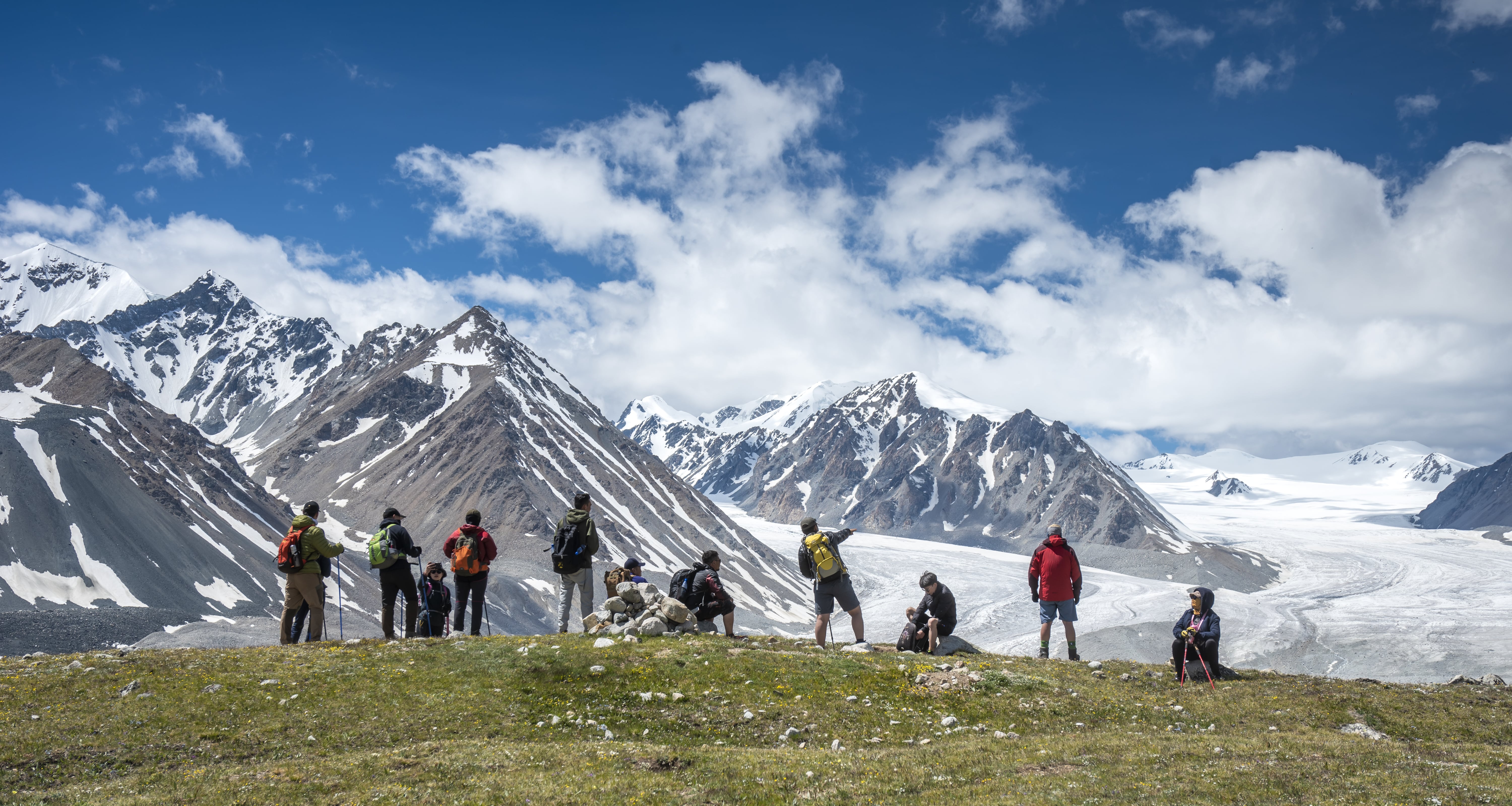
The greatest highlight is the Potanin Glacier, the largest in Mongolia. The Potanin Glacier spans a total length of 10.4 km, an area of 24.7 km², with its glacier terminus located at an elevation of approximately 2,907 meters. On the glacier course, you can view this vast river of white ice head-on and, weather permitting, walk close to its terminus under the guidance of a professional guide.
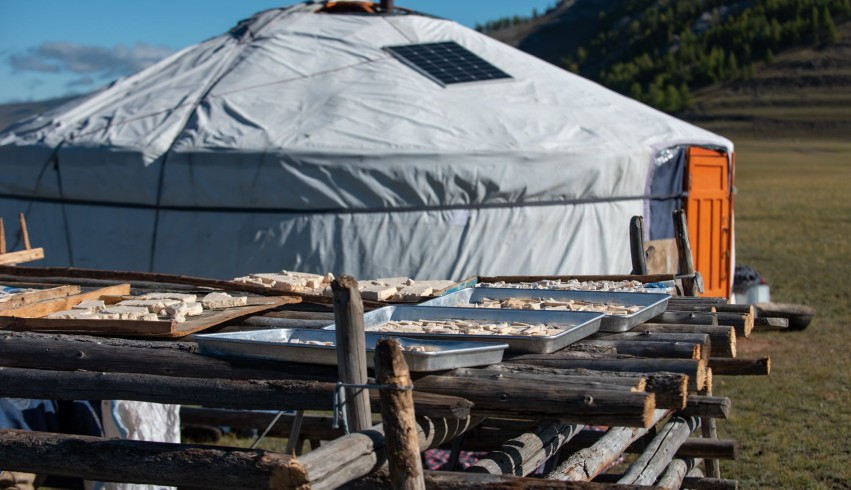
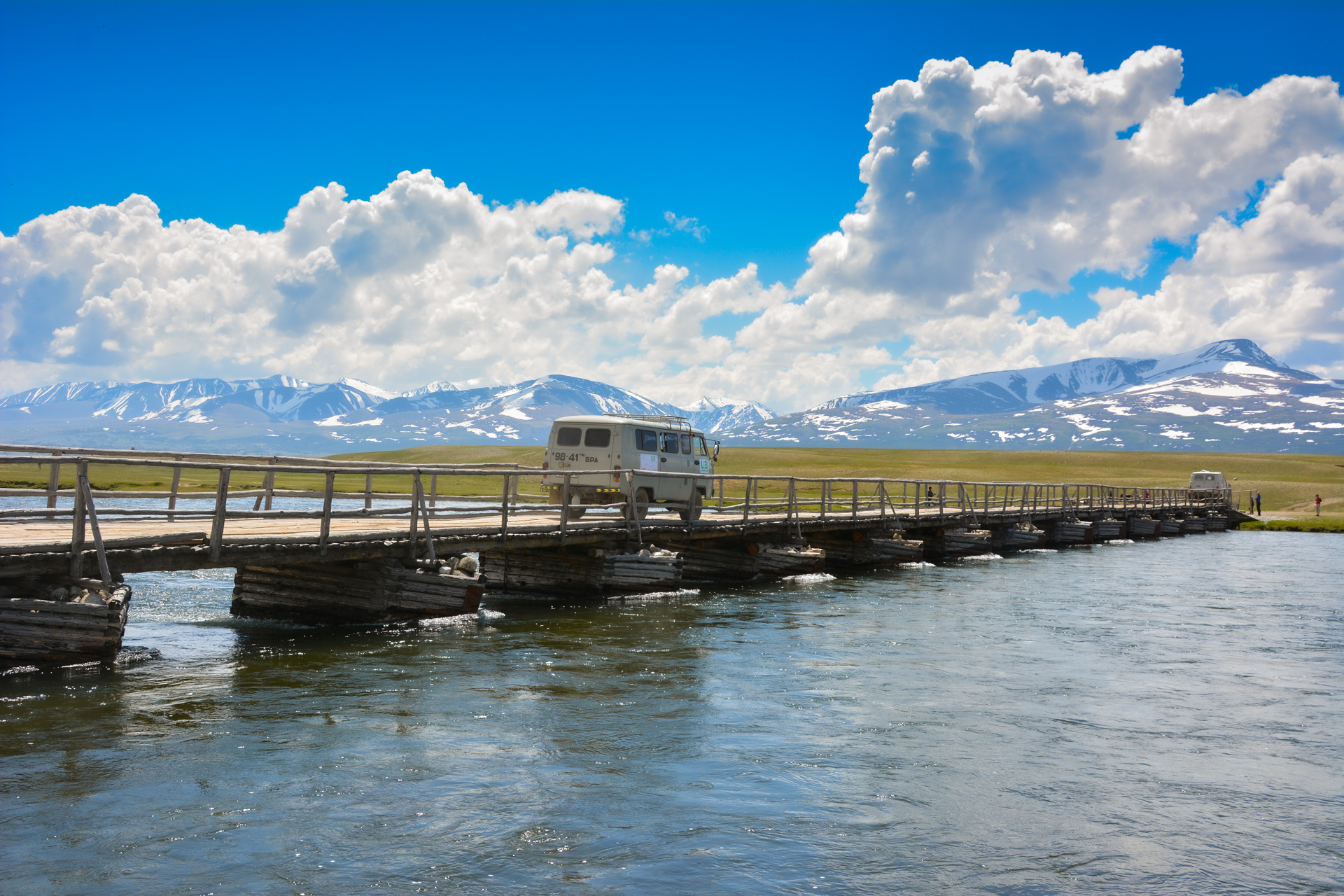
The main features of the lake course are Khoton Lake and Khurgan Lake. The tranquil water reflecting snow-capped mountains and the Kazakh nomadic gers dotted along the lakeshore create a landscape found nowhere else. Understanding the Kazakh culture and the background of golden eagle hunting adds even greater depth to your experience on-site. Since the lakeshore is prone to strong winds and sudden drops in temperature, keeping cold-weather gear handy during rest breaks is strongly recommended.
"Tavan Bogd" translates to "Five Sacred Peaks," and the glacier complexes including Mt. Khuiten are concentrated along this border region. The true value of trekking in the Altai Mountains lies in how three distinct attractions—glaciers, alpine lakes, and Kazakh culture—are all concentrated within a single national park.
What Are the Duration and Characteristics of Campsites?
The required duration varies significantly by route, ranging from a few days for the lake course to around one week for Mt. Khuiten. The lake circuit allows for easy adjustment of movement and rest, while the glacier course includes a stay at a base camp. The summit course is built on the premise of allowing extra days in the schedule for acclimatization.
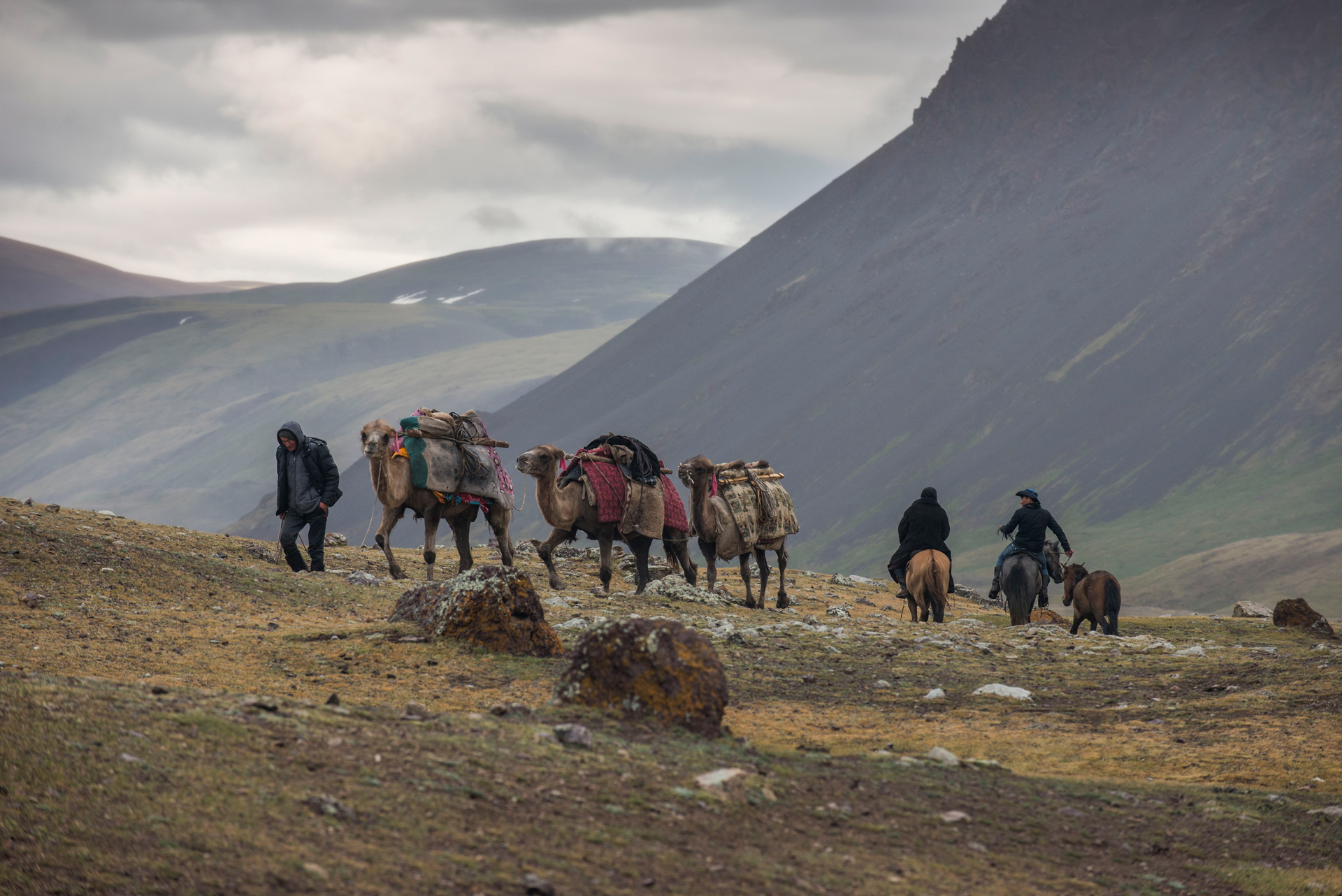
Campsites are broadly divided into two types: staying in nomadic gers or setting up tents at a base camp. Along the lakeshore, you can often stay in Kazakh nomadic gers and savor traditional cuisine and dairy products. Experiencing local food is a charm unique to the lake course. On the glacier and summit courses, tents are pitched on the moraine zone below the glacier, preparing for the morning cold.
As altitude increases, nighttime temperatures drop. Even at lakeshore camps, summer mornings and evenings get chilly, making sleeping bags and proper layering necessary regardless of the trip duration. As the duration extends, the importance of reserve days and food planning increases.
How to Choose the Right Course for You
Decision-making becomes easier when narrowed down to three criteria: experience, physical stamina, and objective. If you are new to trekking, the lake circuit course is recommended; if you want to see glaciers up close, choose the Potanin Glacier Course; and if you aim to reach the peak, the Mt. Khuiten Course is the standard choice. When in doubt, starting with a route one level lower ensures fewer mistakes.
If you are concerned about altitude acclimatization, it is realistic to first get a feel for walking on the lake course in the 2,000-meter range. If progressing to the glacier course, leg strength for long hours of movement and gear for base camp stays are required. For targeting Mt. Khuiten, familiarity with crampon technique and rope work is a prerequisite.
Duration and budget are also deciding factors. Longer itineraries require richer equipment and support systems, incurring higher costs. You can check the latest cost estimates in "How Much Does a Trip to Mongolia Cost? 2026 Budget & Price Guide". Mongolia Travel arranges lake, glacier, and summit routes with Japanese-speaking guides, allowing you to build courses and schedules tailored to your experience.
As your next step, try writing down your experience level and which objective—glaciers, lakes, or summiting—is your top priority. Once your priorities are set, the corresponding route naturally narrows to one. Taking these conditions to consult Mongolia Travel will help turn realistic schedules (including acclimatization days) and equipment lists into concrete plans.
Frequently Asked Questions
Which course is suitable for beginners in Altai Mountains trekking? The Khoton & Khurgan Lakes Circuit Course is best suited for beginners. Positioned in the 2,000-meter elevation range with gentle terrain, it can be hiked without serious altitude acclimatization or technical climbing skills. If you want to see glaciers up close, a round trip to the Potanin Glacier Base Camp would be the next step up.
Are specialized technical skills required to summit Mt. Khuiten? Yes, they are required. Summiting Mt. Khuiten (4,374m) is a full-scale mountaineering endeavor that involves glacier walking with ice axes and crampons, as well as rope work. It requires an experienced guide, prior altitude acclimatization, and winter-grade gear. If you have limited experience, it is safer to start with the glacier base camp or the lake circuit course.
When is the best season for trekking? The core season runs from late June to early September. During this period, walking conditions on the glaciers are relatively stable, and ger camps are fully operational. While July and August offer favorable weather, temperatures can still drop close to freezing in the mornings and evenings, making cold-weather gear essential regardless of the month.
Can I see glaciers on any of the routes? No, you cannot. If your main goal is to see glaciers up close, you should choose either the Potanin Glacier Course or the Mt. Khuiten Summit Course. While the lake circuit course offers distant views of snow-capped mountains, it does not lead up to the glacier terminus. Choose your route based on your priority.