Mongolia Trekking Gear and Clothing Guide: What to Pack for the Gobi Desert and Altai Mountains
Choosing the right trekking gear for Mongolia starts with three essential clothing layers: a moisture-wicking base layer, an insulating mid layer, and a windproof, waterproof outer shell. Sturdy hiking boots that support your feet and ankles are equally important.
Mongolia has a continental climate with significant temperature changes between day and night and across the seasons. Layered clothing allows you to adjust your body temperature as conditions change, whether you are trekking through the Altai Mountains or exploring the Gobi Desert.
This guide covers the essential clothing, footwear, cold-weather protection, backpack essentials, and regional considerations that travelers should know before trekking in Mongolia.
Essential Trekking Clothing and the Three-Layer System
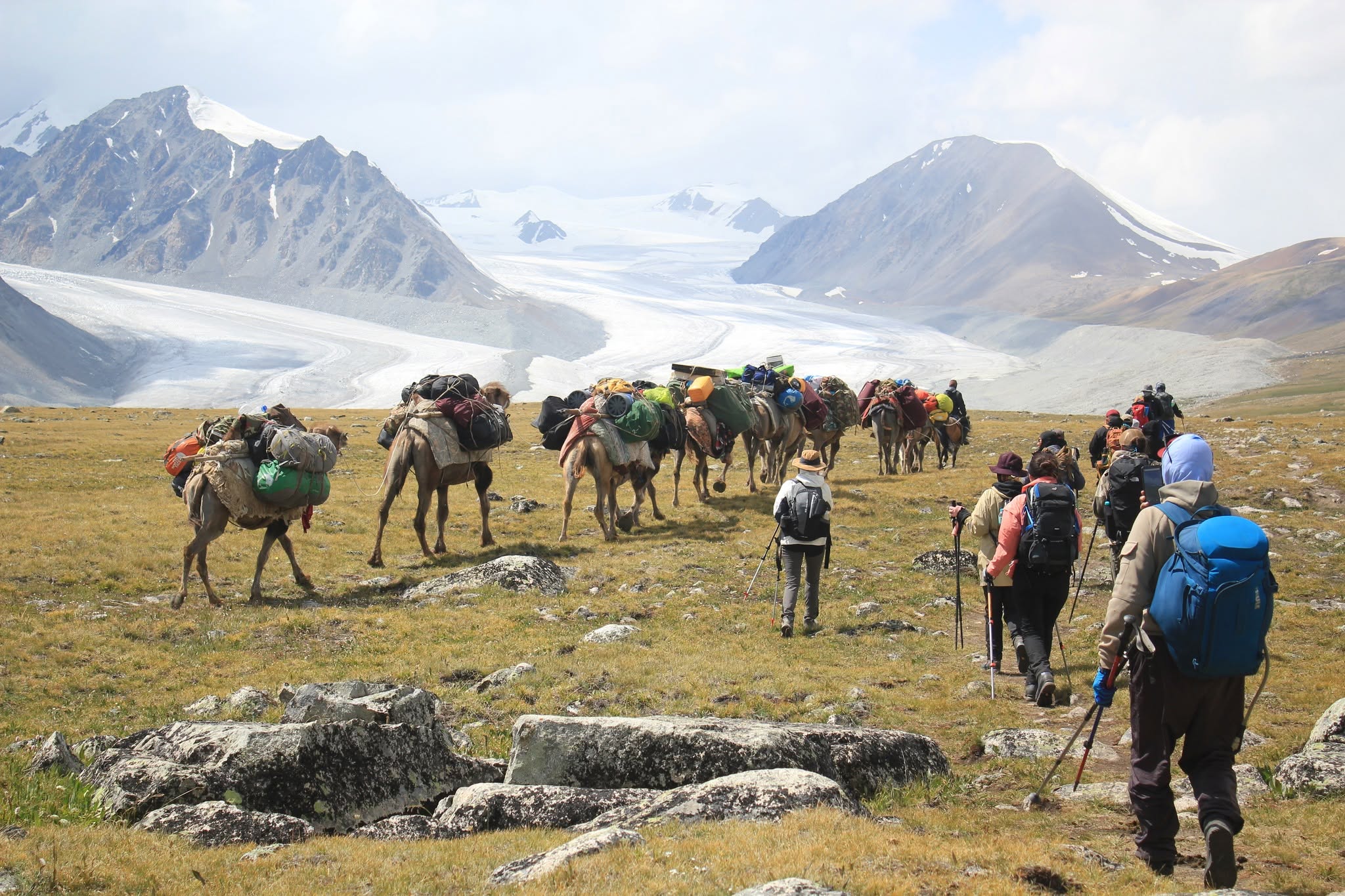
The three-layer clothing system is a practical foundation for trekking in Mongolia. Each layer serves a different purpose: the base layer moves moisture away from your skin, the mid layer retains warmth, and the outer shell protects you from wind and rain.
By adding or removing layers as conditions change, you can stay more comfortable during warm afternoons, cold mornings, and chilly evenings.
Base Layer: Keep Sweat Away from Your Skin
The base layer sits directly against your skin, so choosing the right material is important.
Cotton absorbs moisture and dries slowly. When wet from sweat or rain, it can increase heat loss and contribute to hypothermia in cold or windy conditions.
For trekking, choose moisture-wicking synthetic fabrics or merino wool. These materials help manage perspiration and are generally more suitable for outdoor activities than cotton.
A long-sleeved base layer is a versatile choice for Mongolia's changing conditions.
Mid Layer: Retain Body Heat
The mid layer provides insulation by trapping warm air close to your body.
Suitable options include:
-
A fleece jacket for active walking.
-
A lightweight insulated jacket for colder conditions.
-
A down or synthetic insulated jacket for rest stops and cold evenings.
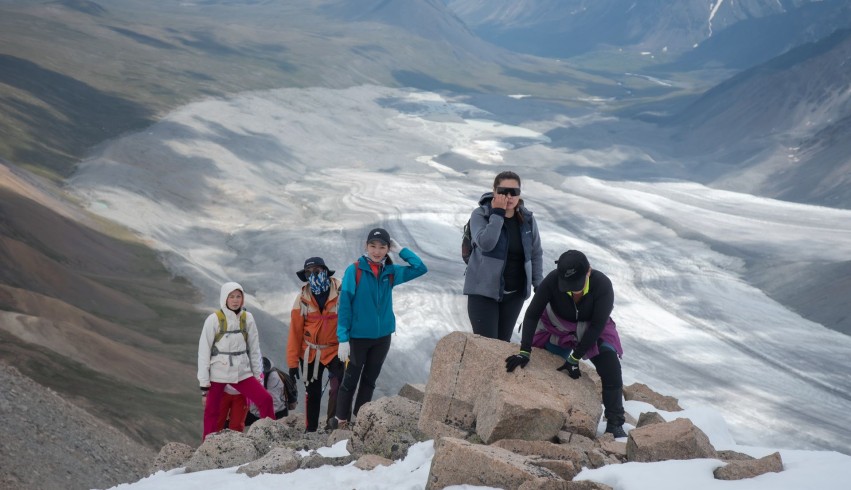
The best choice depends on your destination, season, elevation, and personal comfort. For high-altitude trekking in the Altai Mountains, a warm insulated jacket is particularly important, even during summer.
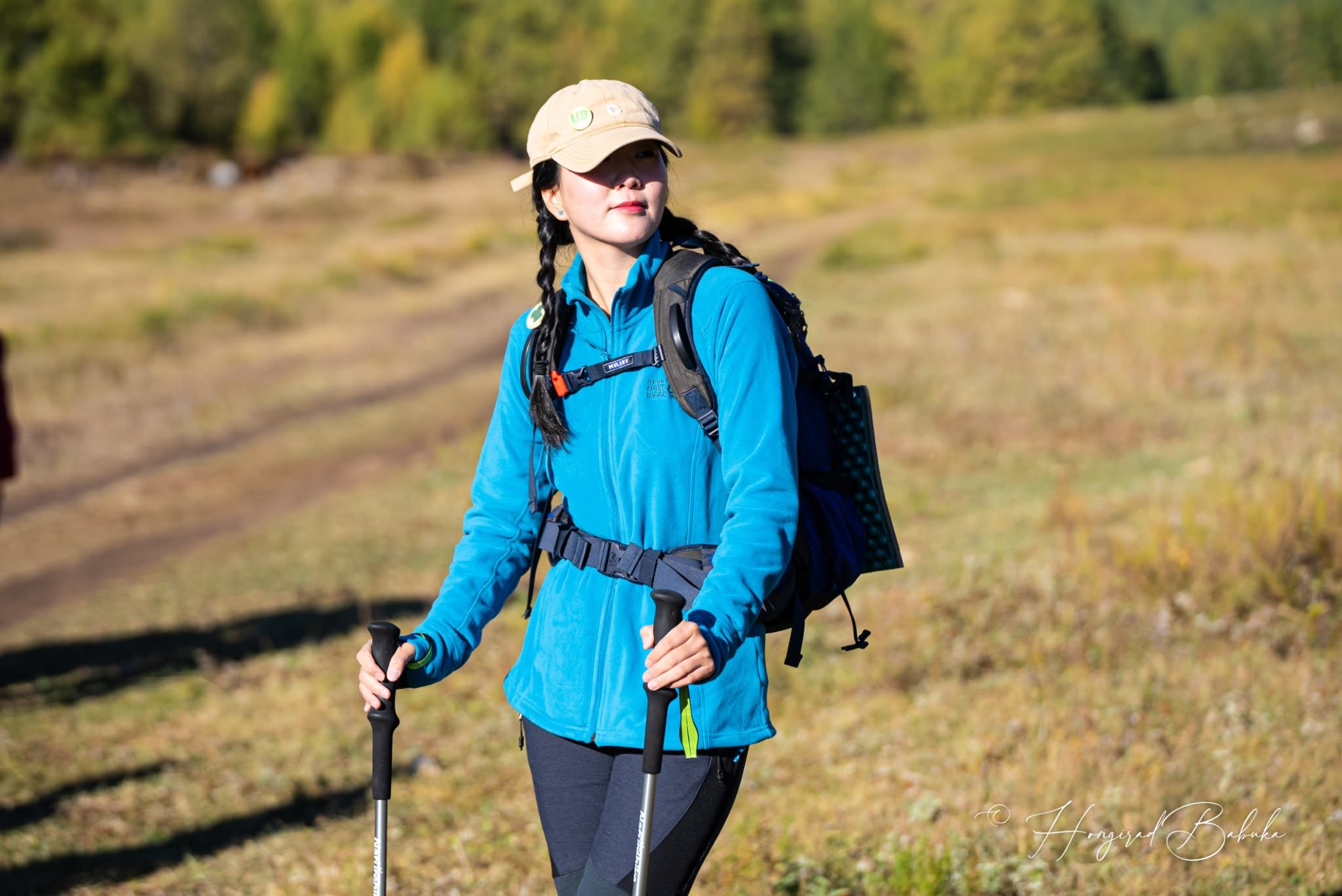
Outer Layer: Protect Against Wind and Rain
An outer shell protects you from wind, rain, and other changing weather conditions.
Choose a jacket with reliable wind resistance and suitable waterproofing for your planned route. A hood that fits comfortably over your other layers is useful in exposed mountain terrain.
For longer trips, waterproof trousers may also be helpful.
Adjust your layers throughout the day. Remove a layer before you become excessively hot while walking, and put it back on during breaks before your body cools down.
How to Choose the Right Hiking Boots
Footwear is one of the most important parts of your trekking equipment. Many trails in Mongolia cross rocky ground, uneven slopes, and areas where the surface can change quickly.
Choose Boots That Suit Your Route
Mid-cut or high-cut hiking boots can provide additional ankle coverage and support, particularly on rocky terrain or when carrying a heavy backpack.
Look for boots with a durable sole and reliable traction. Outsoles designed for hiking on uneven ground, including suitable Vibram models, can be a useful option.
Waterproof-breathable footwear may be helpful when crossing wet grass, snowmelt streams, or damp ground. However, no boot can guarantee completely dry feet in every condition.
Choose footwear according to the terrain, expected weather, and weight of your backpack.
Get the Right Fit
Try on your boots with the socks you plan to wear during the trek.
Your toes should have enough room to move, particularly when walking downhill. Around 1 cm of space in front of your longest toe can be a useful starting point, but the overall fit is more important than a single measurement.
The heel should feel secure without excessive movement, and the boots should not create pressure points around your toes or ankles.
Break In Your Boots Before Departure
Avoid wearing brand-new hiking boots for the first time on a long trek.
New boots may feel stiff and can cause blisters or discomfort if they have not been properly fitted and tested.
Ideally, purchase your boots two to four weeks before departure, or earlier if possible. Wear them on local walks and progressively longer hikes to identify any problems before your trip.
Choose Suitable Hiking Socks
Socks also affect comfort and blister prevention.
Synthetic or wool hiking socks are generally preferable to cotton because they manage moisture more effectively. Some hikers find that a thin liner sock under a thicker hiking sock helps reduce friction, although the best combination depends on individual fit.
Bring spare socks and keep at least one dry pair available in your backpack.
Seasonal Clothing and Cold-Weather Protection
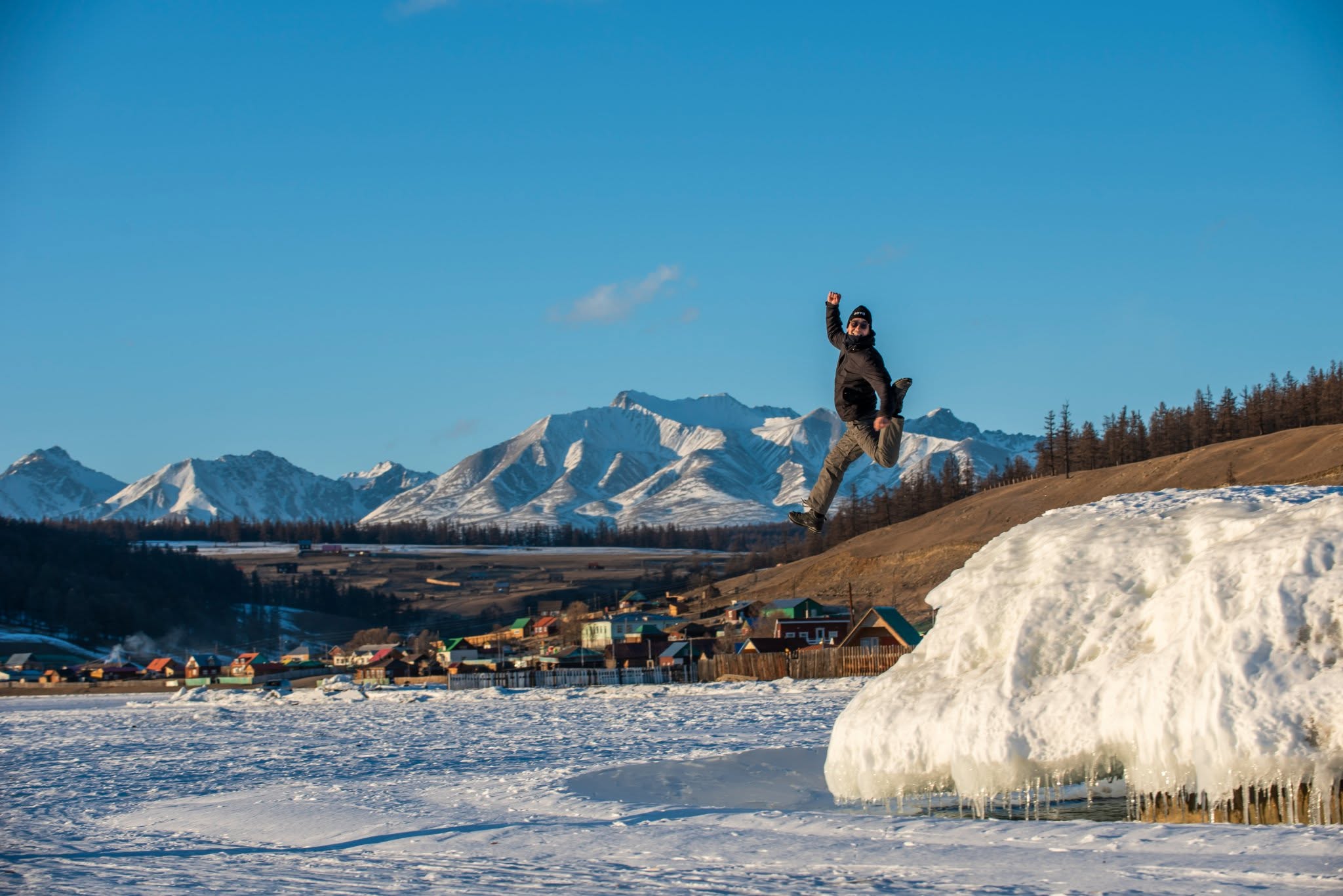
Mongolia is known for its large seasonal temperature range. The Gobi Desert can experience severe winter cold, with temperatures in some areas falling below -40°C, while summer temperatures can exceed 40°C.
These are extreme conditions rather than typical average temperatures everywhere in the region. Actual conditions vary by location, elevation, and time of year.
Day-to-night temperature changes can also be substantial, so it is important to prepare for both warmth and cold.
Summer Trekking: June to August
Summer is a popular season for trekking in Mongolia, but warm daytime weather does not eliminate the need for insulation.
In the Altai Mountains, temperatures can drop sharply at night and at higher elevations. Conditions may approach 0°C in some locations, even during summer.
Pack the following:
-
A moisture-wicking base layer.
-
A fleece or other insulating mid layer.
-
A lightweight down or synthetic insulated jacket.
-
A windproof and waterproof shell.
-
A warm hat and gloves.
-
Sunglasses and sunscreen.
Strong sunlight and ultraviolet radiation can be significant at high elevations. Protect your skin and eyes even when the air feels cool.
Spring and Autumn: April–May and September–October
Spring and autumn can bring substantial temperature changes, strong winds, and unpredictable weather.
During these seasons, prioritize wind protection and flexible insulation. A warm hat that covers your ears, gloves, and an effective outer shell can make a considerable difference.
Check the expected conditions for your destination and travel dates before deciding how much insulation to bring.
Winter Trekking
Winter trekking in Mongolia can involve severe cold, strong winds, snow, and challenging travel conditions.
These trips require specialized cold-weather clothing, appropriate equipment, careful planning, and suitable experience. Travelers should seek advice from experienced local guides before attempting winter routes.
Why Wind Protection Matters
Wind can increase heat loss and make conditions feel much colder than the air temperature suggests.
This is especially important on exposed ridges, mountain passes, and open terrain. A windproof outer layer with an effective hood helps protect your body from cold air and changing weather.
If your clothing becomes wet, take steps to change into dry layers and protect yourself from further heat loss.
Choosing a Backpack and Essential Items
Your backpack should match the length and style of your trip.
As a general guideline:
-
20–30 liters: Day hikes and shorter treks.
-
40–60 liters: Multi-day treks when you need to carry additional clothing, food, and equipment.
The right capacity depends on whether accommodation, meals, and camping equipment are provided or carried by you.
A well-fitted hip belt helps transfer weight to your hips, while an adjustable back system can improve comfort during long days of walking.
Essential Trekking Packing List
Water and hydration
Carry enough water for the planned route. Around 1.5–2 liters may be a useful starting point for some day hikes, but you may need more in hot, dry, or strenuous conditions.
Consider the availability of refill points and whether water treatment is necessary.
Sun protection
-
Sunscreen.
-
Sunglasses with suitable UV protection.
-
A wide-brimmed hat or cap.
-
Lip balm with sun protection.
Warm clothing
-
Fleece or insulated jacket.
-
Lightweight down or synthetic jacket when appropriate.
-
Warm hat.
-
Gloves.
-
Spare dry layers.
Food and snacks
Bring lightweight, energy-rich snacks such as nuts, dried fruit, and energy bars. For longer routes, plan food according to the duration and difficulty of the trek.
First aid and personal care
-
Personal medication.
-
Blister treatment and adhesive bandages.
-
Basic first-aid supplies.
-
Wet wipes or tissues.
-
Lip balm.
-
Personal hygiene items.
Rain and wind protection
-
Waterproof or weather-resistant outerwear appropriate to the forecast.
-
Waterproof trousers when needed.
-
A rain cover or waterproof liner for your backpack.
Electronics and valuables
Keep your phone and spare battery protected from moisture and extreme temperatures. Store important documents and valuables securely.
How to Pack Your Backpack
Place heavier items close to your back and near the center of the pack to help maintain balance.
Keep water, snacks, rainwear, and other frequently used items within easy reach. Pack spare clothing in waterproof bags or a waterproof liner to help keep it dry.
For a more complete checklist, see our related guide:
Mongolia Travel Packing List: Trekking and Hiking Essentials
Adjusting Your Gear for the Gobi Desert and the Altai Mountains
Mongolia's regions share a continental climate, but the equipment priorities for desert travel and high-altitude trekking are different.
Using the same three-layer clothing system while adjusting the specific items to your destination is an effective approach.
Trekking in the Altai Mountains
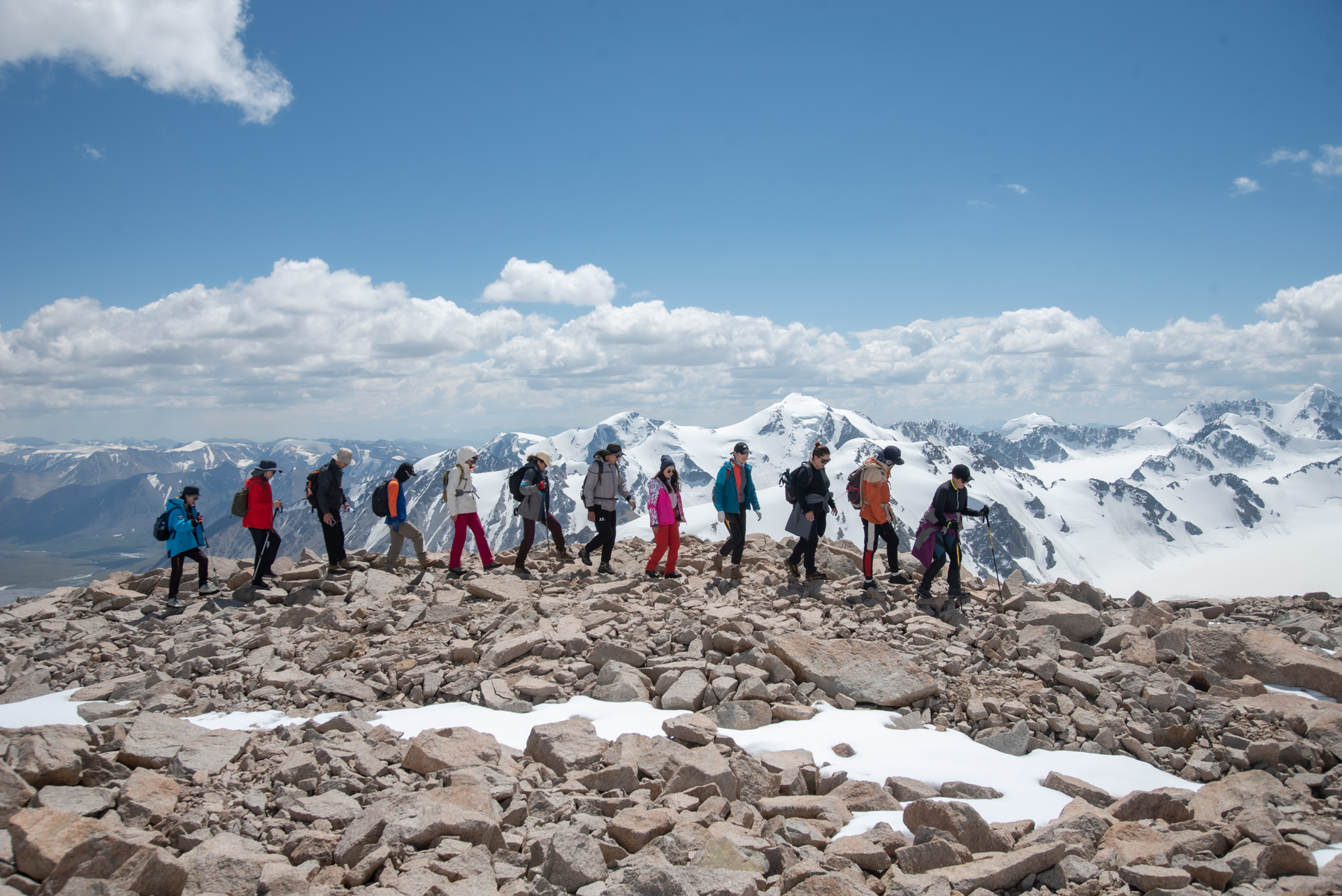
The Altai Mountains require particular attention to cold, wind, elevation, and changing weather.
Khüiten Peak, Mongolia's highest mountain at 4,374 meters, lies in the Tavan Bogd mountain range, where glaciers and high-altitude terrain create demanding conditions.
Even during summer, higher elevations can be cold. Depending on your route, suitable equipment may include:
-
Warm insulating layers.
-
Sturdy hiking or mountaineering boots.
-
Sunglasses with suitable UV protection.
-
Gloves and a warm hat.
-
Windproof and waterproof outerwear.
Technical climbing routes may require additional equipment, such as crampons, an ice axe, and a rope system. These items should be selected according to the route and used only with appropriate training and guidance.
High altitude can also increase fatigue and affect physical performance. Allow sufficient time for acclimatization and follow a realistic itinerary.
Trekking in the Gobi Desert
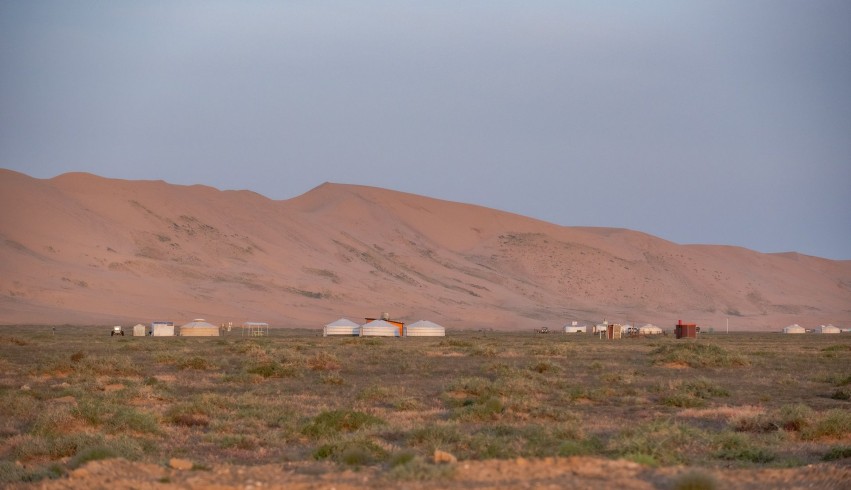
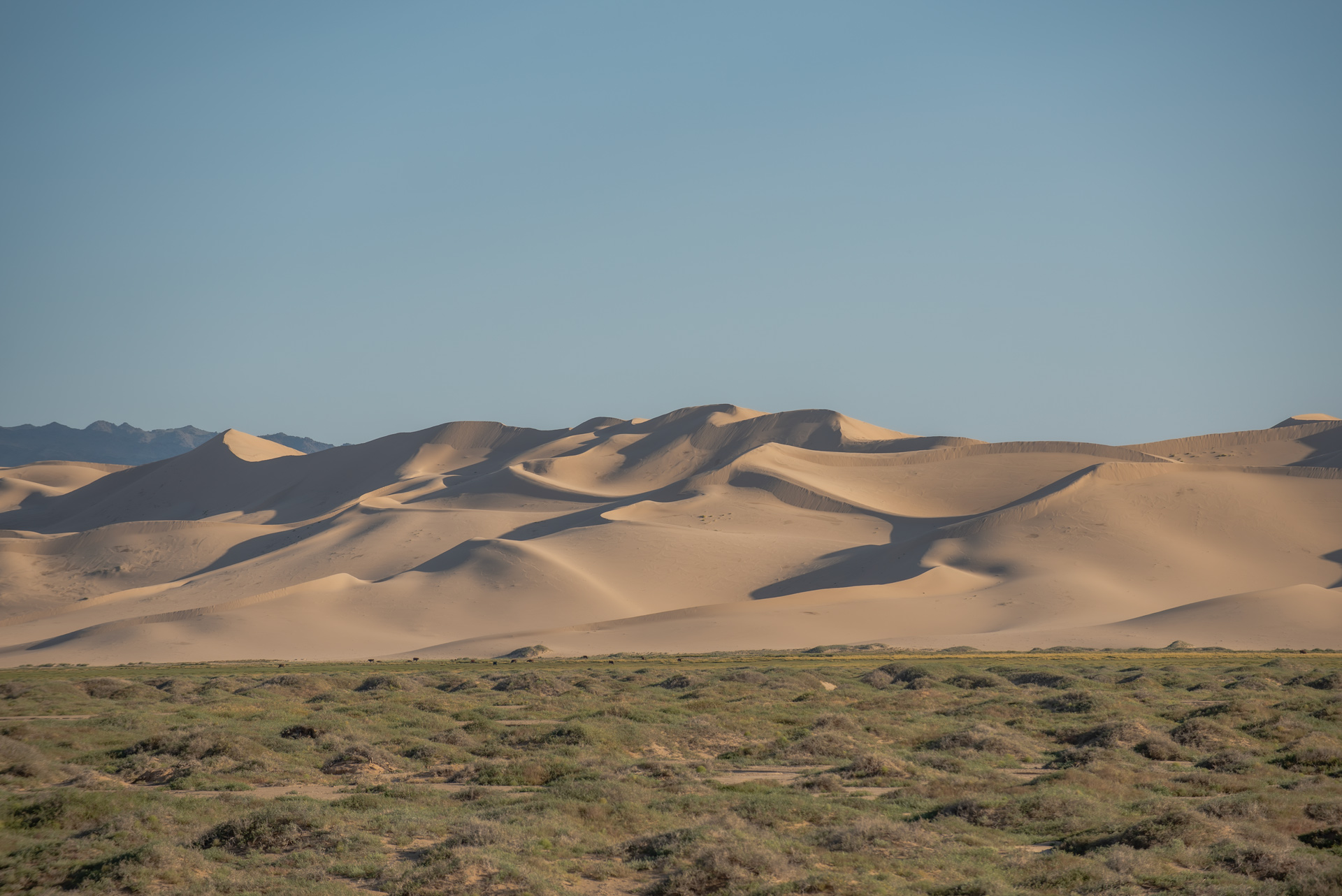
In the Gobi Desert, protection from strong sunlight, wind, and blowing sand is especially important.
Useful items include:
-
Sunglasses that protect against UV radiation and help shield your eyes from dust.
-
A buff or lightweight face covering for windy, sandy conditions.
-
A hat and sunscreen.
-
Breathable clothing that covers your skin.
-
Lightweight layers for cooler mornings and evenings.
-
Rain protection when appropriate.
Although the Gobi is generally dry, conditions vary across this vast region. Weather can change, and occasional rainfall is possible, so a lightweight rain layer may still be useful.
What Both Regions Have in Common
Regardless of your destination, prepare for changing temperatures and weather.
A flexible layering system, sun protection, suitable footwear, and an effective windproof outer layer form the foundation of a practical trekking kit.
Before departure, check the forecast and ask your local guide about the specific terrain, expected temperatures, water availability, and equipment requirements for your itinerary.
With the right preparation, trekking in Mongolia can be a rewarding experience, whether you are exploring desert landscapes or walking among the high peaks of the Altai Mountains.
Frequently Asked Questions
What equipment do I need for trekking in Mongolia?
The essentials include a moisture-wicking base layer, a warm mid layer, a windproof and waterproof outer shell, and suitable hiking boots. Add a hat, gloves, sunscreen, sunglasses, and enough water for your route. More demanding or remote treks require additional equipment.
Do I need warm clothing in Mongolia during summer?
Yes. Although daytime temperatures can be warm, evenings and high-altitude areas can become very cold. Temperatures may approach 0°C in some parts of the Altai Mountains, even in July or August. A fleece or insulated jacket, gloves, and a warm hat are useful items to carry.
Can I trek in cotton shirts or jeans?
Cotton is generally not recommended for demanding treks because it retains moisture and dries slowly. Wet cotton can increase heat loss in cold or windy conditions. Synthetic fabrics and merino wool are generally more suitable for base layers and hiking clothing.
Can I wear brand-new hiking boots on my first day in Mongolia?
It is best to avoid doing so. New boots can cause blisters and discomfort during long walks. Purchase them in advance, ideally several weeks before departure, and wear them on shorter walks and hikes to check their fit.
Should I pack different equipment for the Gobi Desert and the Altai Mountains?
Yes. The basic layering system remains the same, but your priorities should change. In the Gobi, emphasize sun protection, eye protection, and protection from blowing sand. In the Altai Mountains, prioritize warm layers, suitable boots, and equipment appropriate for high-altitude conditions.
Prepare for Your Mongolia Trek with Mongolian Mountain Summit
The right equipment can make a significant difference to your comfort and safety when trekking in Mongolia.
Whether you are planning to explore the Gobi Desert, hike through the Altai Mountains, or take on a multi-day trekking adventure, preparation should match your destination, travel season, and experience.
Mongolian Mountain Summit can help you understand the equipment and clothing requirements for your planned route and discuss practical preparations before departure.
If you are unsure what to pack, contact us to discuss your itinerary and the conditions you may encounter.
Planning a trekking adventure in Mongolia? Contact Mongolian Mountain Summit for advice on preparing for your trip.
Please note that equipment requirements vary by route, season, weather, and individual needs. Always confirm the final packing list with your tour organizer before departure.