Mongolia Travel Safety and Health Guide
Key Points to Remember
-
Good preparation before departure is essential for a safe trip to Mongolia. Consult a travel health professional early about recommended vaccinations, including rabies and hepatitis A.
-
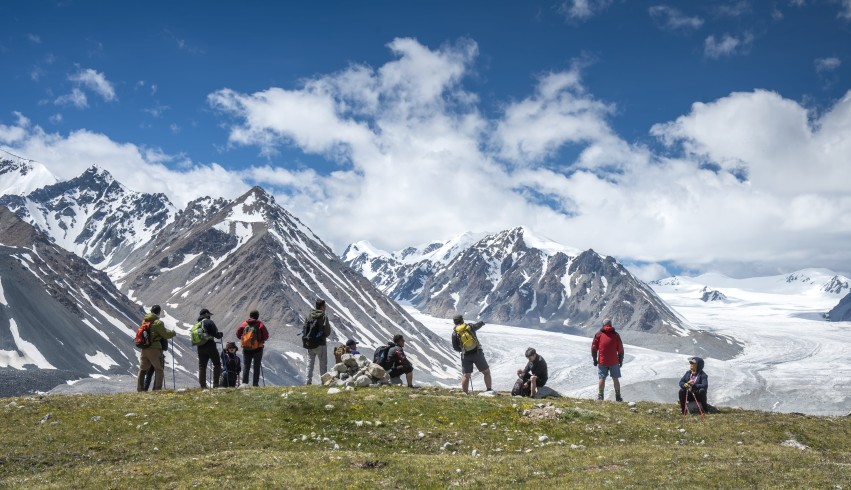
Altitude sickness can occur in high mountain areas such as the Altai Mountains. Gradual ascent and proper acclimatization are the most important preventive measures.
-
Choose comprehensive travel insurance that covers medical treatment, emergency evacuation, and rescue expenses. For remote mountain travel, check whether helicopter evacuation is included.
-
Avoid untreated tap water and ice. Drink bottled, properly treated, or boiled water to reduce the risk of travelers’ diarrhea.
-
Most urban safety concerns are concentrated in Ulaanbaatar, where pickpocketing and theft can occur. In rural areas, avoid approaching unfamiliar dogs or touching wild animals.
The safety of your trip to Mongolia depends largely on how well you prepare before departure. By arranging appropriate vaccinations, preparing for high altitude and dry weather, and choosing comprehensive travel insurance, you can enjoy everything from trekking in the Altai Mountains to exploring the Gobi Desert with greater peace of mind.
This guide explains practical ways for international travelers, including visitors from Japan, to protect their health and avoid common problems in Mongolia—from pre-travel preparations to precautions during the journey.
Traveling through Mongolia’s vast natural landscapes requires different preparations from a typical city sightseeing trip. Some destinations are several hours away from the nearest medical facility. Rather than waiting for a problem to occur, it is important to prepare in advance and reduce potential risks.
1. Health Preparations and Vaccinations Before Your Trip
There are generally no routine vaccination requirements specifically for entering Mongolia. However, several vaccinations may be recommended depending on your travel plans, activities, and medical history.
The US Centers for Disease Control and Prevention (CDC) provides destination-specific health advice for Mongolia, including information about hepatitis A, hepatitis B, rabies, typhoid, and tick-borne encephalitis.
For the latest recommendations, check the CDC Mongolia Travel Health Information.
Rabies deserves particular attention. Dogs are commonly seen around settlements, nomadic households, and ger camps. Travelers may encounter unfamiliar dogs while exploring the countryside.
Rabies vaccination before exposure may be recommended for travelers with an increased risk of animal contact or limited access to medical care. The vaccination schedule depends on the vaccine and individual circumstances, so consult a travel clinic well in advance.
Vaccinations for hepatitis A, typhoid, and other diseases should also be discussed with a healthcare professional. Ideally, arrange a consultation at least one month before departure so that there is enough time to complete any recommended vaccinations.
If you take regular medication, bring an adequate supply for the entire trip. Keeping a copy of your prescription or a medical certificate in English can be helpful when traveling or seeking medical care abroad.
It is also useful to pack basic items such as pain relief medication, digestive medicine, eye drops, lip balm, and sunscreen.
Medical Conditions and Pre-Travel Consultation
Travelers with high blood pressure, heart conditions, or respiratory illnesses should consult their doctor before visiting high-altitude destinations.
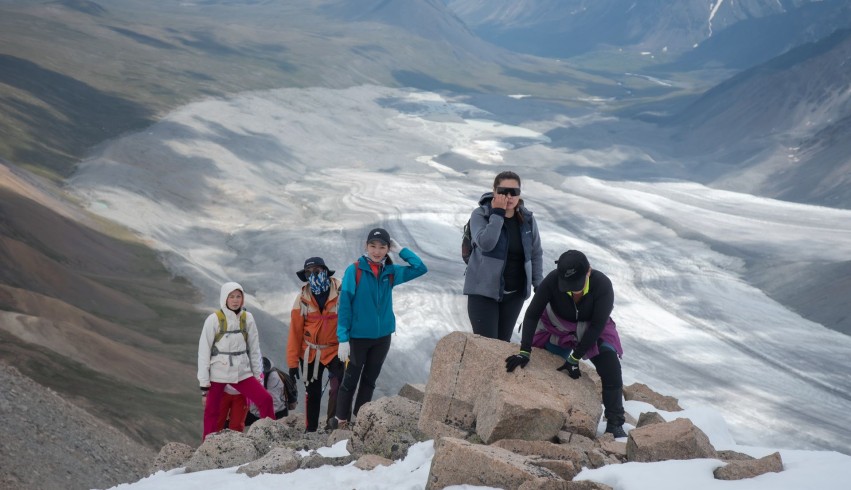
Trekking at elevations above 3,000 meters can place additional stress on the body. Choose a route that matches your physical condition and previous mountain experience.
If you have an existing medical condition, discuss your itinerary, altitude, planned activities, and access to emergency medical care with your doctor before departure.
2. Managing Altitude, Dry Air, and Temperature Changes
Three environmental factors can strongly affect your health in Mongolia: high altitude, dry air, and significant temperature differences between day and night.
The highest peak in the Altai Mountains, Khüiten Peak, reaches 4,374 meters above sea level. Even on trekking routes below the summit, travelers may spend several days at elevations above 3,000 meters.
The risk of acute mountain sickness (AMS) increases as altitude rises. Symptoms can include:
-
Headache
-
Nausea
-
Dizziness
-
Loss of appetite
-
Unusual tiredness
Altitude sickness can affect anyone, regardless of age or physical fitness. Being fit does not guarantee protection.
The most important way to reduce the risk is to ascend gradually and allow your body time to acclimatize. Avoid gaining altitude too quickly, especially when sleeping at higher elevations. A commonly used guideline above 3,000 meters is to limit the increase in sleeping altitude to around 500 meters per day, with additional acclimatization days when necessary.
Drink enough fluids, avoid excessive alcohol, and do not continue ascending if symptoms develop.
If you experience symptoms of altitude sickness, stop ascending and seek advice from your guide. If symptoms worsen, descending to a lower altitude is essential. Severe symptoms require urgent medical attention.
For more information about mountain difficulty and physical fitness requirements, see our guide to Mongolia Trekking and Mountaineering Difficulty Levels.
The dry climate is another important factor. Mongolia receives strong sunlight, and the air can be very dry, particularly in mountain and desert regions.
To protect yourself:
-
Drink water regularly throughout the day.
-
Apply sunscreen and wear sunglasses.
-
Use a hat or cap to protect yourself from direct sunlight.
-
Carry lip balm and moisturizer.
-
Wear several layers so you can adjust to changing temperatures.
-
Bring warm clothing for cold mornings and evenings.
Proper clothing is essential because temperatures can change significantly within a single day.
3. Food and Water Safety
Food and water are among the most common causes of digestive problems during international travel.
Avoid drinking untreated water in Mongolia. Choose sealed bottled water or water that has been properly boiled or treated. Be cautious with ice, raw vegetables washed in untreated water, and cut fruit when the hygiene conditions are uncertain.
Hand hygiene is particularly important during outdoor activities and long journeys. Carry hand sanitizer for situations where soap and clean water are unavailable.
You may have opportunities to try traditional dairy products when visiting nomadic families. These foods are an important part of Mongolian culture, but some products may not suit everyone's digestive system. If you are unfamiliar with them, try a small amount first.
It is also useful to bring digestive medicine and oral rehydration salts in case of diarrhea or stomach discomfort.
If diarrhea occurs, drink sufficient safe fluids to prevent dehydration. This is especially important at high altitude, where dehydration can make it harder to manage altitude-related symptoms.
Seek medical attention if you experience severe or persistent diarrhea, bloody stools, high fever, or signs of dehydration.
4. Emergency Contacts and the Importance of Travel Insurance
Medical facilities are limited in many rural parts of Mongolia. In serious cases, patients may need to be transported to Ulaanbaatar or even to another country for specialized treatment.
For this reason, comprehensive travel insurance is essential.
Japan's Ministry of Foreign Affairs provides travel safety advice and recommends that travelers consider sufficient coverage for medical treatment and assistance expenses. A coverage amount of at least JPY 30 million is a useful reference when reviewing the insurance options mentioned in its guidance, but the appropriate amount depends on your itinerary and activities.
Before purchasing insurance, check whether the policy covers:
-
Emergency medical treatment
-
Hospitalization and surgery
-
Mountain rescue
-
Emergency evacuation and transportation
-
Helicopter evacuation, where available
-
Repatriation to your home country
-
Rescue and accommodation expenses for accompanying family members
Some standard travel insurance policies exclude mountaineering, climbing, or other high-risk activities. If you plan to trek or climb in the Altai Mountains, carefully check the policy conditions and exclusions.
Before departure, save the following information both on your smartphone and on paper:
-
Your insurance company's emergency contact number and 24-hour assistance details
-
Contact information for the Embassy of Japan in Mongolia, if applicable
-
Your local tour operator and Japanese-speaking guide
-
Emergency contact details for your family or workplace
In remote mountain areas, helicopter rescue or emergency transportation may be necessary, and the costs can be substantial. Make sure your insurance provides appropriate coverage for the activities you plan to undertake.
Before traveling, check the latest information on the Ministry of Foreign Affairs of Japan – Overseas Safety Information and register with the Japanese government's Tabi-Regi travel registration service.
For tours in remote regions, having access to a reliable local guide and tour operator is also important. A Japanese-speaking guide can help travelers communicate their needs and coordinate assistance if a problem occurs.
5. Practical Safety Tips During Your Trip
Mongolia is generally considered a manageable destination for travelers who take normal precautions. However, visitors should remain aware of their surroundings, especially in crowded urban areas.
According to safety information published by Japan's Ministry of Foreign Affairs, a large proportion of reported crimes in Mongolia occur in Ulaanbaatar. Pickpocketing and theft can happen in busy public areas.
In the capital, follow these precautions:
-
Keep your passport, cash, and valuables secure.
-
Avoid carrying all your money in one place.
-
Be careful in crowded markets, public transport, and busy streets.
-
Avoid walking alone in unfamiliar areas late at night.
-
Use reputable transportation services.
In rural areas, the main concerns are often related to nature, animals, and changing weather conditions.
Avoid approaching unfamiliar dogs, especially around settlements and camps. Do not touch wild animals, including marmots (known locally as tarbagans). Some marmots can carry plague bacteria, so direct contact should be avoided.
Weather conditions can also change quickly across the steppe, mountains, and desert. Strong winds, rain, cold temperatures, and poor visibility may affect travel plans.
Always respect the advice of your local guide and driver. They understand the local terrain and weather conditions and can make important safety decisions.
For long journeys, keep enough drinking water, snacks, and warm clothing easily accessible rather than packing everything away in the main luggage.
6. Prepare Before You Go and Enjoy Mongolia with Confidence
A safe and enjoyable journey begins with careful preparation.
Before departure, arrange a consultation at a travel clinic—ideally around two months before your trip—to discuss recommended vaccinations and any health concerns. Review your travel insurance carefully, especially if your itinerary includes trekking, climbing, or remote destinations.
Once these preparations are complete, you can focus on enjoying Mongolia's spectacular landscapes, rich nomadic culture, and unforgettable outdoor experiences.
Frequently Asked Questions
Do I need special vaccinations to travel to Mongolia?
There are generally no routine vaccination requirements specifically for entering Mongolia. However, the CDC recommends that travelers review vaccinations such as hepatitis A, hepatitis B, rabies, typhoid, and tick-borne encephalitis depending on their itinerary and individual risk. Consult a travel clinic before departure.
Is altitude sickness a concern when trekking in the Altai Mountains?
Yes. Many trekking routes reach elevations above 3,000 meters, and some destinations exceed 4,000 meters. Ascend gradually, allow time for acclimatization, and never ignore symptoms such as headache, nausea, or dizziness.
Is tap water safe to drink in Mongolia?
It is best to avoid untreated tap water. Use sealed bottled water or properly boiled or treated water. Be cautious with ice and raw food when the water source is uncertain.
How much travel insurance coverage should I have?
Choose comprehensive coverage for medical treatment, emergency evacuation, mountain rescue, and repatriation. Japan's Ministry of Foreign Affairs refers to JPY 30 million or more as a useful coverage guideline in its travel safety advice. Check carefully whether your policy covers trekking and mountaineering activities.
Is Ulaanbaatar safe for tourists?
Many travelers visit Ulaanbaatar without serious problems, but normal urban precautions are important. Be especially careful of pickpocketing and theft in crowded places, and avoid walking alone in unfamiliar areas late at night.
Travel Safely and Explore Mongolia with Mongolian Mountain Summit
From the mountains of the Altai to the wide-open landscapes of the Gobi Desert, Mongolia offers extraordinary experiences for outdoor enthusiasts and travelers.
With proper preparation, suitable insurance, and experienced local support, you can explore the country more confidently and responsibly.
Mongolian Mountain Summit helps travelers discover Mongolia through trekking, mountaineering, and cultural journeys. Contact us to plan your next adventure in Mongolia.